Metaverse Integration: US Industries Embracing Virtual Worlds by 2026
Anúncios
Metaverse Industry Integration: How 4 US Industries Are Embracing Virtual Worlds by Mid-2026
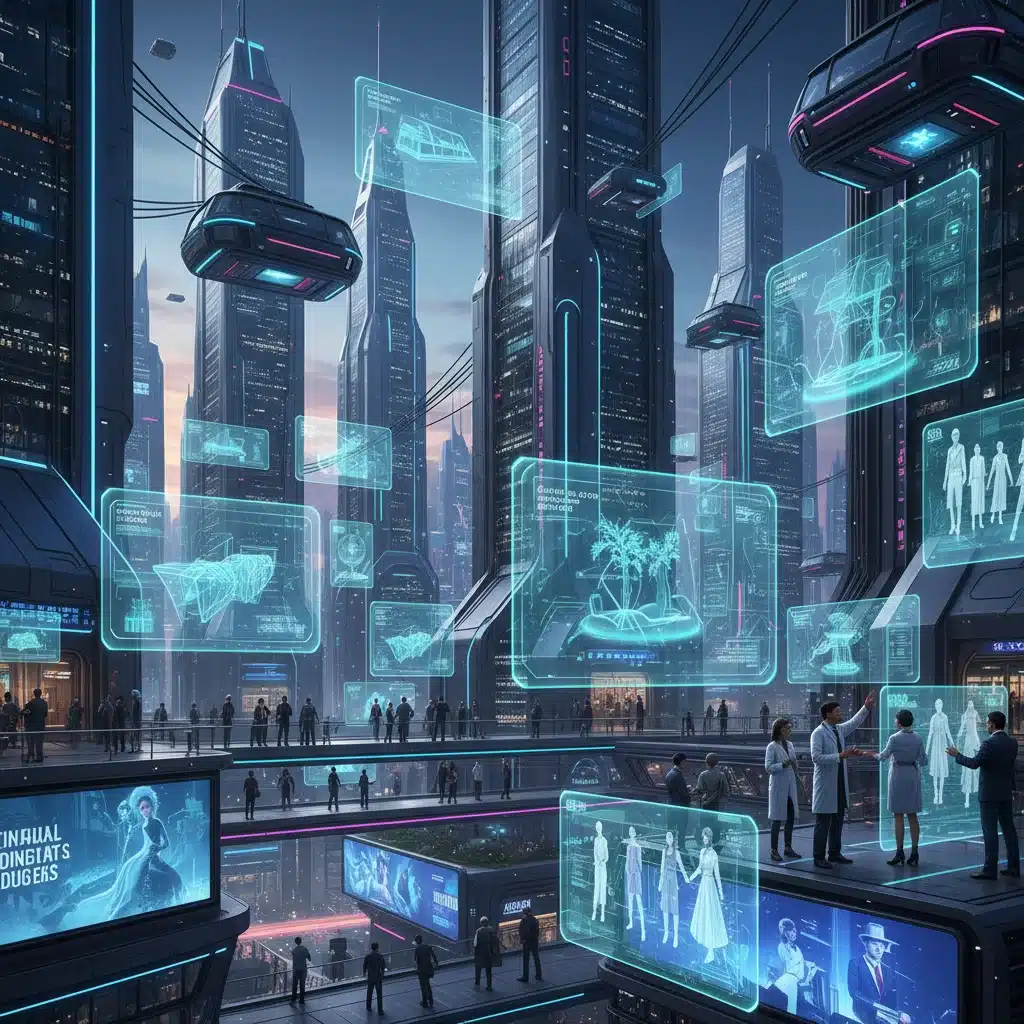
The concept of the metaverse, once confined to science fiction novels and futuristic films, is rapidly transitioning from a nascent idea to a tangible, transformative force across numerous sectors. By mid-2026, the United States is poised to witness a significant acceleration in metaverse industry integration, with several key sectors not just experimenting with, but actively embedding virtual worlds into their core operations. This isn’t merely about creating digital avatars or playing advanced video games; it’s about fundamentally reshaping how businesses interact with customers, train employees, develop products, and deliver services. The economic implications are staggering, with projections indicating multi-trillion-dollar opportunities and a complete paradigm shift in digital engagement.
The metaverse, in its broadest sense, refers to a persistent, interconnected set of virtual spaces where users can interact with each other, digital objects, and AI-powered entities. These spaces are often experienced through virtual reality (VR), augmented reality (AR), and mixed reality (MR) technologies, offering immersive and interactive experiences that go far beyond traditional 2D interfaces. The promise of the metaverse lies in its ability to blur the lines between the physical and digital, creating new avenues for commerce, communication, and creativity. As technology matures and adoption rates climb, the question is no longer ‘if’ industries will integrate the metaverse, but ‘how’ and ‘how quickly.’
This comprehensive article will delve into four pivotal US industries that are leading the charge in metaverse industry integration: Retail, Healthcare, Education, and Manufacturing. We will explore the specific applications, benefits, challenges, and the projected impact of these virtual transformations by the critical juncture of mid-2026. Understanding these trends is crucial for businesses, investors, and consumers alike, as the digital landscape undergoes its most profound evolution yet.
Anúncios
Retail: Redefining the Shopping Experience in Virtual Dimensions
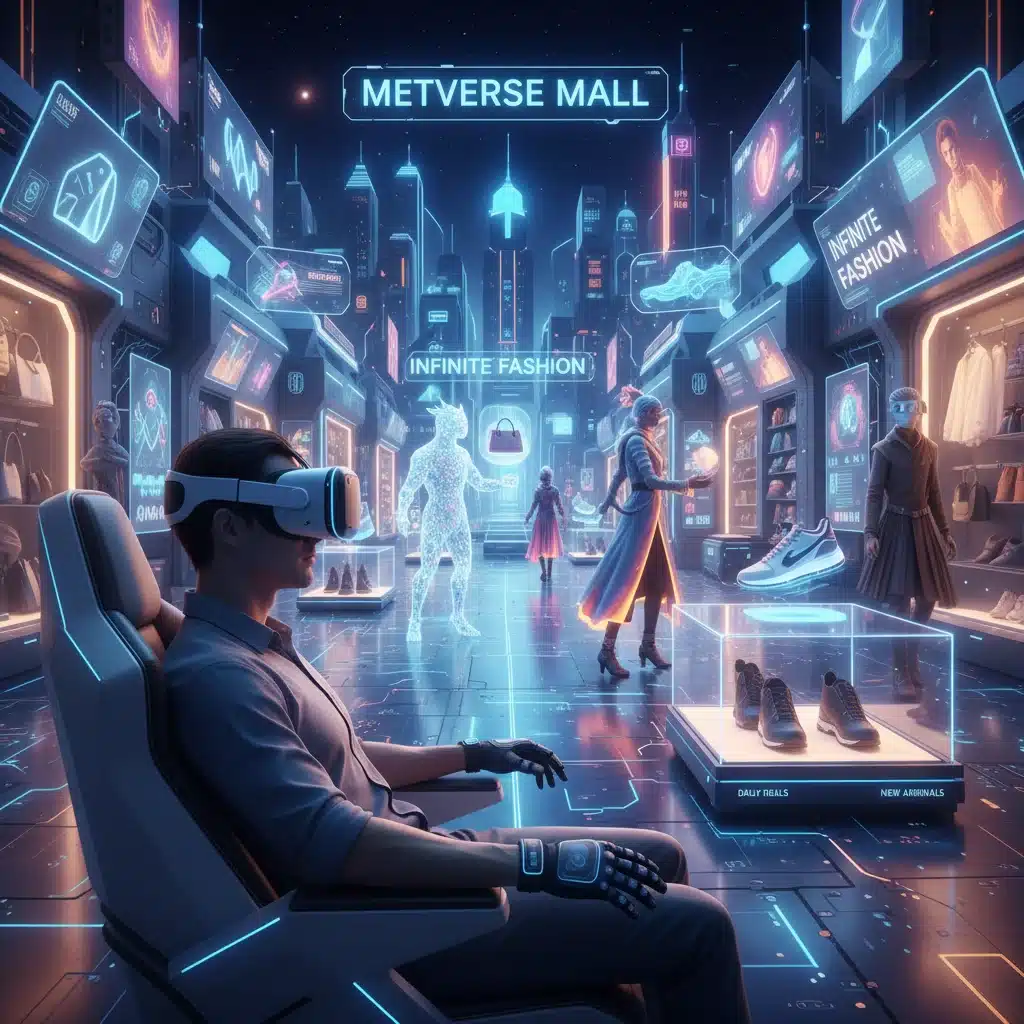
The retail sector is perhaps one of the most visible and enthusiastic adopters of metaverse industry integration. The traditional brick-and-mortar model has been challenged by e-commerce for decades, but the metaverse offers a third dimension, literally, to online shopping. By mid-2026, we expect to see a significant portion of major US retailers establishing a robust presence in virtual worlds, moving beyond simple 3D product displays to full-fledged immersive shopping experiences.
Virtual Showrooms and Immersive Stores
Imagine walking into a virtual luxury boutique, trying on digital clothing that drapes realistically on your avatar, or test-driving a car in a simulated environment before making a real-world purchase. This is the reality that metaverse retail is bringing. Retailers like Nike, Gucci, and Ralph Lauren have already made significant strides, creating virtual spaces where customers can browse, interact with products, and even attend virtual fashion shows. By 2026, these virtual showrooms will become commonplace, offering unparalleled product visualization and customization options. Customers will be able to personalize items in real-time, see how they fit, and even collaborate with designers in a virtual setting.
Anúncios
Enhanced Customer Engagement and Personalization
The metaverse allows for a level of customer engagement and personalization previously unattainable. AI-powered virtual assistants can guide shoppers, offering tailored recommendations based on their avatar’s style, past purchases, and even their emotional responses within the virtual environment. Brands can host interactive events, product launches, and community-building activities that foster deeper connections with their audience. This direct, immersive interaction builds brand loyalty and provides invaluable data on consumer behavior in a way that traditional analytics cannot.
New Revenue Streams: Digital Goods and NFTs
Beyond physical product sales, the metaverse opens up entirely new revenue streams through the sale of digital goods and Non-Fungible Tokens (NFTs). Avatars need clothing, accessories, and homes in the metaverse, creating a booming market for virtual fashion, furniture, and art. Brands can sell exclusive digital collectibles, offer NFT-backed memberships, or even create unique virtual experiences that generate significant income. This digital economy is expected to flourish, with many retailers diversifying their offerings to include both physical and digital merchandise, driving substantial growth in metaverse industry integration.
Challenges and Opportunities in Retail
While the opportunities are vast, challenges remain. These include ensuring interoperability between different metaverse platforms, developing intuitive user interfaces, and addressing concerns around data privacy and security. However, the potential for increased sales, enhanced brand loyalty, and innovative customer experiences makes the metaverse an irresistible frontier for US retail by mid-2026.
Healthcare: Revolutionizing Training, Treatment, and Patient Care
The healthcare industry, traditionally cautious about adopting new technologies, is rapidly recognizing the profound potential of metaverse industry integration. By mid-2026, virtual worlds will play a critical role in medical education, surgical training, remote patient care, and even therapeutic interventions.
Advanced Medical Training and Simulation
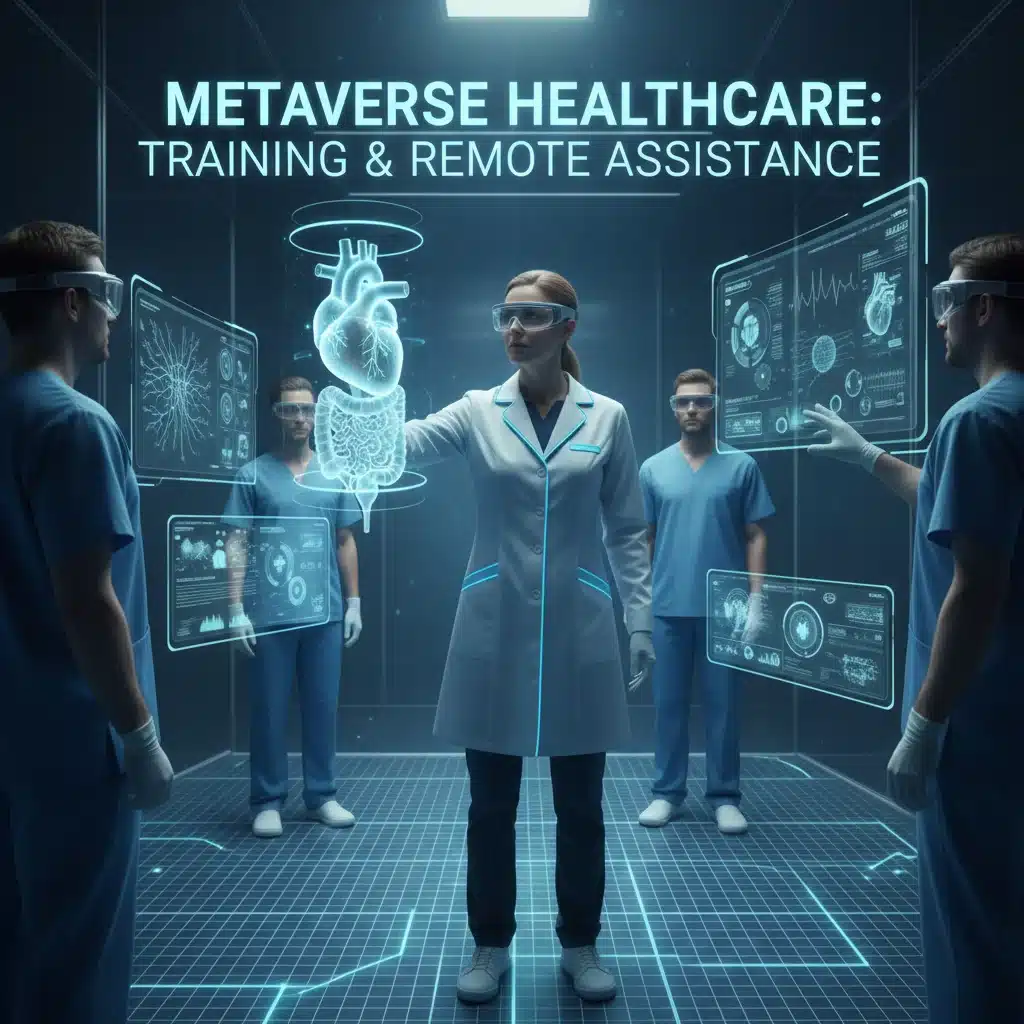
One of the most immediate and impactful applications of the metaverse in healthcare is in training. Medical students and experienced professionals can practice complex surgical procedures in highly realistic virtual environments without any risk to patients. These simulations offer haptic feedback, allowing users to ‘feel’ the tissues and instruments, significantly improving skill acquisition and reducing errors. Virtual anatomy labs, collaborative training scenarios, and remote expert guidance will become standard, ensuring that healthcare providers are better prepared and more proficient. This aspect of metaverse industry integration is critical for maintaining high standards of care.
Telemedicine and Remote Patient Monitoring Enhanced
Telemedicine has grown exponentially, but the metaverse takes it a step further. Patients can consult with doctors in a virtual clinic, experiencing a more personalized and engaging interaction than a simple video call. For remote patient monitoring, virtual environments can be used for rehabilitation exercises, where patients interact with digital therapists and receive real-time feedback on their progress. This can be particularly beneficial for physical therapy, mental health support, and chronic disease management, making healthcare more accessible and effective.
Therapeutic Interventions and Mental Health Support
The immersive nature of the metaverse offers unique opportunities for therapeutic interventions. Virtual reality therapy is already being used to treat phobias, PTSD, and anxiety by exposing patients to controlled, simulated environments. By 2026, we will see an expansion of these applications, including virtual support groups, mindfulness exercises in serene digital landscapes, and even personalized cognitive behavioral therapy delivered through VR. The ability to create safe and controlled environments makes the metaverse a powerful tool for mental health and well-being, driving significant metaverse industry integration in this sensitive area.
Challenges and Ethical Considerations in Healthcare
Integrating the metaverse into healthcare comes with significant challenges, including data privacy (HIPAA compliance), the need for robust and reliable technology, and ensuring equitable access. Ethical considerations regarding virtual patient interactions and the psychological impact of extended metaverse use also need careful attention. However, the potential to improve patient outcomes, reduce training costs, and expand access to specialized care makes the metaverse an undeniable force for change in healthcare.
Education: Transforming Learning into Immersive Experiences
The education sector is on the cusp of a profound transformation through metaverse industry integration. Traditional classrooms are giving way to dynamic, interactive virtual learning environments that promise to engage students like never before. By mid-2026, educational institutions across the US will leverage the metaverse to offer more immersive, accessible, and personalized learning experiences from K-12 to higher education and professional development.
Immersive Classrooms and Virtual Field Trips
Imagine history lessons where students can walk through ancient Rome, science classes where they can dissect a virtual frog or explore the human circulatory system in 3D, or geography lessons that take them to the Amazon rainforest without leaving their desks. The metaverse enables these ‘virtual field trips’ and immersive learning scenarios, bringing abstract concepts to life. This hands-on, experiential learning approach significantly improves comprehension, retention, and engagement, making education more exciting and effective. This is a key driver for metaverse industry integration in education.
Personalized Learning Paths and Collaborative Spaces
The metaverse facilitates highly personalized learning experiences. AI tutors can adapt to individual student paces and learning styles, offering customized content and feedback. Students can collaborate on projects in shared virtual spaces, regardless of their physical location, fostering teamwork and communication skills essential for the modern workforce. These virtual environments can simulate real-world professional settings, preparing students for careers in fields like engineering, architecture, and design through practical application and problem-solving.
Accessibility and Global Reach
One of the most compelling aspects of metaverse education is its potential to democratize learning. Students in remote areas or those with physical limitations can access high-quality educational resources and participate fully in virtual classrooms. Universities can offer virtual campuses, attracting a global student body and expanding their reach far beyond geographical boundaries. This global accessibility will be a major factor in the widespread metaverse industry integration in education, breaking down traditional barriers to learning.
Challenges and the Digital Divide
Key challenges include the cost of VR/AR hardware, ensuring equitable access to technology, and developing high-quality, pedagogically sound metaverse content. Teacher training and curriculum adaptation will also be crucial. Addressing the digital divide will be paramount to ensure that metaverse education benefits all students. Nevertheless, the promise of more engaging, effective, and accessible learning experiences is propelling educational institutions towards significant metaverse adoption by 2026.
Manufacturing: Optimizing Operations with Digital Twins and Virtual Prototyping
The manufacturing industry, a cornerstone of the US economy, is undergoing a profound digital transformation, with metaverse industry integration playing a pivotal role. By mid-2026, manufacturers will extensively use virtual worlds for everything from product design and prototyping to supply chain management and worker training, leading to increased efficiency, reduced costs, and accelerated innovation.
Digital Twins for Enhanced Monitoring and Maintenance
One of the most impactful applications is the creation of ‘digital twins’ – virtual replicas of physical assets, processes, or even entire factories. These digital twins are fed real-time data from their physical counterparts, allowing manufacturers to monitor performance, predict maintenance needs, and simulate changes without disrupting actual operations. For example, engineers can virtually test different production line configurations or troubleshoot equipment issues in the metaverse before implementing solutions in the physical world. This predictive capability significantly reduces downtime and optimizes operational efficiency, making it a crucial aspect of metaverse industry integration.
Virtual Prototyping and Collaborative Design
The metaverse revolutionizes product design and development. Engineers and designers can collaborate in shared virtual spaces, creating and iterating on 3D prototypes in real-time. This eliminates the need for expensive physical prototypes, drastically cutting down development cycles and costs. Stakeholders from different departments or even different companies can review designs, make adjustments, and test functionalities in a virtual environment, accelerating the time-to-market for new products. This collaborative design capability is a game-changer for innovation in manufacturing.
Immersive Worker Training and Safety Protocols
Training manufacturing workers in complex machinery operation or safety procedures can be costly and risky in a physical environment. The metaverse offers a safe, controlled, and highly effective alternative. Workers can undergo immersive training simulations, practicing tasks, identifying hazards, and responding to emergencies in a virtual factory setting. This not only improves skill retention but also significantly enhances workplace safety, reducing accidents and improving overall productivity. Such applications are driving significant metaverse industry integration in workforce development.
Supply Chain Optimization and Logistics
The metaverse can also provide a bird’s-eye view of the entire supply chain. Manufacturers can create virtual models of their supply networks, simulating various scenarios to identify bottlenecks, optimize logistics, and respond quickly to disruptions. This advanced visualization and simulation capability enables more resilient and efficient supply chains, crucial in today’s volatile global market.
Challenges and the Future of Smart Manufacturing
Challenges include the initial investment in metaverse technology, data integration complexities, and the need for specialized skills to manage and develop these virtual environments. Cybersecurity for industrial metaverse applications is also a paramount concern. However, the benefits of enhanced efficiency, reduced costs, faster innovation, and improved safety are compelling manufacturers to embrace metaverse industry integration, paving the way for a new era of ‘smart manufacturing’ by mid-2026.
The Broader Impact of Metaverse Industry Integration by Mid-2026
Beyond the specific applications within these four industries, the widespread adoption of the metaverse will have broader societal and economic impacts. The creation of a robust metaverse economy will generate new jobs in areas such as virtual world development, digital asset creation, metaverse marketing, and ethical AI oversight. This new digital frontier will also foster unprecedented levels of creativity and innovation, as individuals and businesses explore novel ways to interact and create.
Economic Growth and Investment
Analysts project that the metaverse economy could reach trillions of dollars in value within the next decade. This growth will be fueled by significant investments from tech giants, venture capitalists, and the industries themselves as they recognize the long-term strategic value of virtual presence. The US, with its strong technological infrastructure and innovative spirit, is well-positioned to be a leader in this burgeoning economic landscape. The continuous evolution of hardware, software, and networking capabilities will further accelerate metaverse industry integration, making it a self-reinforcing cycle of innovation and investment.
Workforce Transformation and Skill Development
The rise of the metaverse will necessitate a transformation in workforce skills. There will be an increased demand for professionals proficient in 3D modeling, VR/AR development, blockchain technology, AI, and user experience design for virtual environments. Educational institutions and corporate training programs will need to adapt quickly to equip the workforce with these new competencies. This shift will also create opportunities for remote work and global collaboration on an unprecedented scale, fostering a more interconnected and diverse professional landscape.
Societal Implications and Ethical Considerations
As metaverse industry integration deepens, it’s crucial to address the societal implications and ethical considerations. Issues such as digital identity, data ownership, privacy, cyber-safety, and the potential for digital addiction need careful consideration and proactive regulation. Ensuring inclusivity and preventing the exacerbation of existing social inequalities in the virtual world will be paramount. Governments, industry leaders, and civil society must collaborate to establish frameworks that promote a safe, equitable, and beneficial metaverse for all.
Conclusion: The Inevitable March Towards Virtual Realities
By mid-2026, the notion of the metaverse as a niche technology will be largely outdated. Instead, it will be firmly established as a foundational layer of digital interaction for leading US industries. Retail, healthcare, education, and manufacturing are just the vanguard, demonstrating the immense potential for virtual worlds to drive innovation, efficiency, and customer engagement. The journey of metaverse industry integration is not without its hurdles, but the benefits far outweigh the challenges, propelling these sectors into a new era of digital transformation.
Businesses that embrace this shift proactively will gain a significant competitive advantage, while those that lag risk being left behind in an increasingly virtualized economy. The metaverse is not just a technological advancement; it’s a cultural and economic phenomenon that will redefine how we work, learn, shop, and interact. As we move towards mid-2026, keep a close watch on these four industries, as their pioneering efforts in metaverse industry integration will serve as a blueprint for the broader digital future.
The convergence of advanced computing, immersive technologies, and persistent digital environments is creating a new frontier that promises to unlock unprecedented value and reshape our world in profound ways. The metaverse is here to stay, and its integration into the fabric of US industries is an exciting, inevitable development that will define the next chapter of digital innovation.