FTC Influencer Marketing Guidelines 2026: What You Need to Know
FTC Influencer Marketing Guidelines 2026: Navigating the Evolving Landscape
The world of influencer marketing is a dynamic and ever-evolving space, offering unprecedented opportunities for brands to connect with consumers. However, with great opportunity comes significant responsibility, especially when it comes to transparency and consumer protection. The Federal Trade Commission (FTC) has been at the forefront of regulating these digital interactions, ensuring that endorsements are honest and not misleading. As we look towards 2026, understanding the latest FTC influencer guidelines is not just good practice; it’s a legal imperative for brands, marketers, and influencers alike.
The digital ecosystem is constantly shifting, with new platforms, formats, and engagement models emerging regularly. This rapid evolution often means that regulatory bodies like the FTC must adapt their guidance to keep pace. For businesses and individuals operating in this space, staying informed is crucial to avoid hefty fines, reputational damage, and loss of consumer trust. This comprehensive guide will delve into the anticipated and current FTC influencer guidelines for 2026, providing clarity on disclosure requirements, best practices, and the potential implications of non-compliance.
Our aim is to equip you with the knowledge needed to navigate the complex regulatory landscape, ensuring your influencer marketing campaigns are not only effective but also fully compliant. From understanding what constitutes an endorsement to the specifics of clear and conspicuous disclosures, we will cover all essential aspects to help you maintain integrity in your digital marketing efforts.
The Foundation: Why FTC Guidelines Exist
Before diving into the specifics of the 2026 guidelines, it’s essential to understand the core principles that underpin the FTC’s involvement in influencer marketing. The FTC’s primary mission is to protect consumers from unfair, deceptive, and fraudulent practices in the marketplace. In the context of influencer marketing, this translates to ensuring that consumers are aware when they are viewing paid content or endorsements.
The rise of social media and influencer culture blurred the lines between organic content and advertising. Consumers often perceive influencers as trusted peers or experts, making their recommendations highly persuasive. Without proper disclosure, consumers might mistakenly believe an endorsement is an unbiased, personal opinion, rather than a sponsored message. This lack of transparency can lead to deceptive practices, where consumers are swayed by undisclosed commercial relationships.
The FTC’s Endorsement Guides, initially published in 1980 and significantly updated over the years, provide the framework for these regulations. These guides apply to anyone who endorses a product or service, including celebrities, experts, and, crucially, social media influencers. The underlying principle is simple: if there’s a material connection between an endorser and an advertiser that might affect the credibility or weight of the endorsement, that connection must be clearly and conspicuously disclosed.
A ‘material connection’ isn’t just about direct payments. It can include free products, discounts, trips, commissions, or any other benefit that an influencer receives in exchange for promoting a product or service. The FTC views these connections as potentially influencing the influencer’s opinion, thus requiring disclosure to maintain fairness and honesty in advertising.
Key Pillars of the FTC Influencer Guidelines for 2026
While the core principles remain consistent, the application and enforcement of FTC influencer guidelines are continually refined to address new challenges and technological advancements. For 2026, we can expect a continued emphasis on clarity, conspicuousness, and the responsibility of all parties involved.
1. Clear and Conspicuous Disclosures
This is arguably the most critical aspect of the FTC influencer guidelines. A disclosure is considered ‘clear and conspicuous’ if it is easy for consumers to notice, read, and understand. This means:
- Prominence: The disclosure should be placed where it’s hard to miss. It shouldn’t be buried in a string of hashtags, hidden in an ‘About Me’ section, or only visible after clicking a ‘More’ button. For videos, it should appear on-screen and be mentioned verbally. For audio, it should be clearly spoken.
- Understandability: Use unambiguous language. Terms like ‘#ad’, ‘#sponsored’, ‘Paid Partnership’, or ‘\[Brand Name] Partner’ are generally acceptable. Avoid vague terms like ‘#collab’, ‘#ambassador’, or ‘#partner’ if they don’t explicitly convey a commercial relationship.
- Timeliness: The disclosure should appear at the beginning of the post or video, before consumers have formed an impression of the endorsement. For live streams, it should be repeated periodically.
- Platform-Specific Considerations: The FTC acknowledges that different platforms have different functionalities. Influencers must adapt their disclosures to fit the platform’s constraints while still meeting the clear and conspicuous standard. For example, on Instagram, using the ‘Paid Partnership’ tool is recommended in addition to a prominent hashtag. On TikTok, an on-screen text disclosure and verbal mention are crucial.
The FTC’s stance is that if a significant portion of consumers would likely miss the disclosure, it’s not clear and conspicuous. The burden of proof lies with the influencer and the brand to demonstrate that reasonable efforts were made to ensure visibility.
2. Material Connections: Beyond Monetary Payments
As mentioned, a material connection extends beyond direct cash payments. The FTC influencer guidelines emphasize that any benefit that could influence an endorsement must be disclosed. This includes:
- Free Products or Services: Even if there’s no explicit agreement for a post, receiving a free product or service that an influencer reviews or promotes constitutes a material connection.
- Discounts or Gifts: Significant discounts or valuable gifts provided by a brand.
- Contest Entries or Prizes: If an influencer receives an advantage in a contest or a prize for promoting it.
- Affiliate Links: If an influencer earns a commission from sales generated through their unique link, this must be disclosed. A simple ‘Affiliate Link’ or ‘#Ad’ next to the link is usually sufficient.
- Employment Relationships: If an influencer is an employee or owner of the company whose products they are endorsing, this is a material connection that must be disclosed.
The key question the FTC asks is: Would a consumer reasonably expect the endorser to have an unbiased opinion about the product or service, given the nature of the relationship with the brand? If the answer is no, then disclosure is required.
3. Truthfulness and Substantiation of Claims
Influencers and brands are not just responsible for disclosing connections; they are also accountable for the truthfulness of the claims made in endorsements. The FTC influencer guidelines mandate that:
- Claims Must Be Truthful: Endorsements must reflect the honest opinions, findings, beliefs, or experience of the endorser. An influencer cannot say they use a product if they don’t, or claim specific results they haven’t achieved.
- Claims Must Be Substantiated: If an endorsement makes specific claims about a product’s performance, safety, or effectiveness (e.g., ‘This cream reduced my wrinkles by 50%’), those claims must be substantiated by competent and reliable scientific evidence, just like any other advertising claim. Influencers should not make claims that the advertiser itself cannot legally make.
- Typical Results: If an influencer highlights exceptional results, they must clearly state that these results are not typical and provide information about what consumers can generally expect. For example, ‘Results not typical. Most users experience minor improvements.’
Brands have a responsibility to ensure their influencers are making truthful and substantiated claims. This often involves providing influencers with accurate product information and monitoring their content.
Who is Responsible? Shared Accountability Under FTC Influencer Guidelines
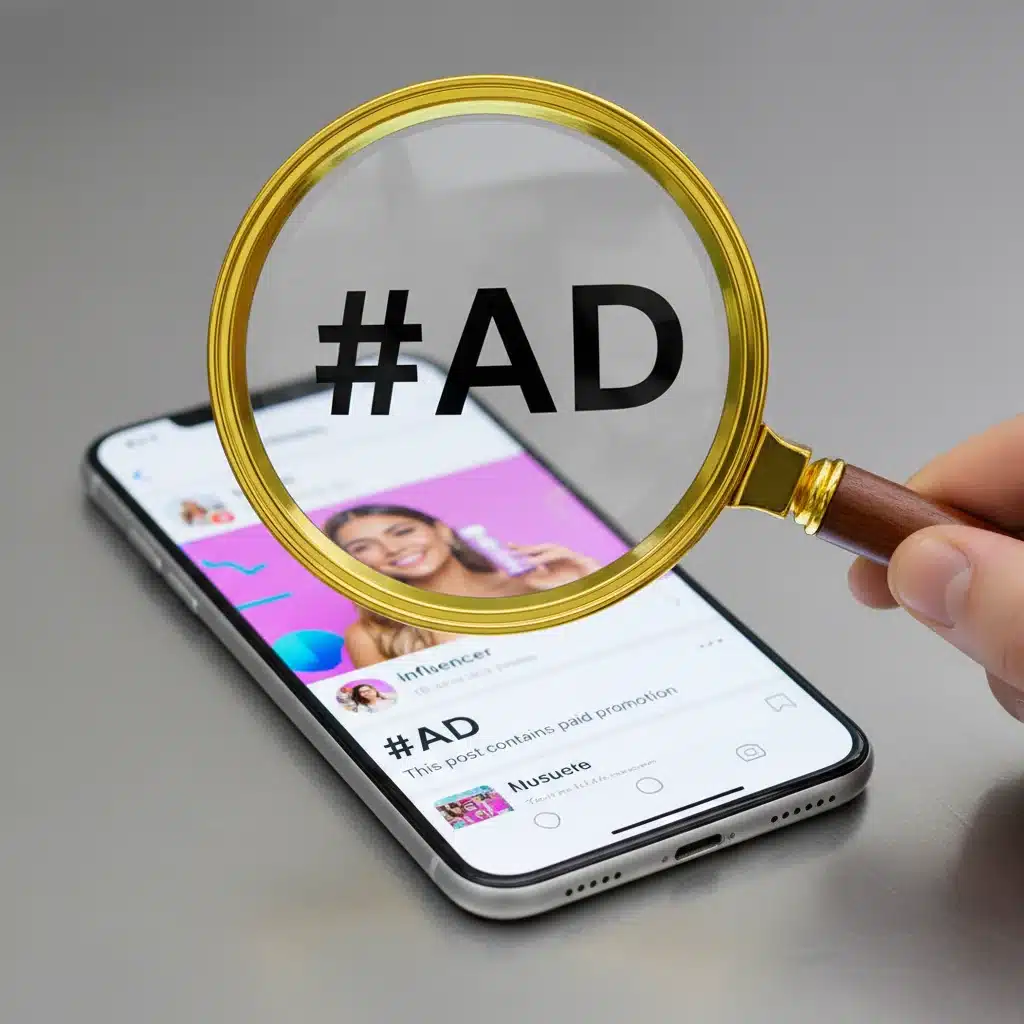
One common misconception is that only the influencer is responsible for disclosure. The FTC influencer guidelines clearly state that accountability is shared among all parties involved in an endorsement. This includes:
- The Influencer: The individual creating and posting the content is directly responsible for clearly disclosing their material connection to the brand.
- The Brand/Advertiser: The company whose product or service is being endorsed bears ultimate responsibility for ensuring that its endorsements are truthful and properly disclosed. Brands should have clear policies, educate their influencers, and actively monitor their content for compliance.
- Ad Agencies/Intermediaries: Any agency or platform that connects brands with influencers also shares responsibility. They should advise both parties on their obligations and help facilitate compliance.
The FTC can pursue enforcement actions against any or all of these parties. Ignorance of the law is not an excuse, and brands cannot simply outsource their compliance obligations to influencers. A robust compliance strategy involves clear communication, comprehensive contracts, and ongoing monitoring.
Evolving Challenges and Future Considerations for 2026
The digital landscape is a moving target, and the FTC influencer guidelines must continuously adapt. Several areas are likely to see increased scrutiny or new guidance as we approach and move beyond 2026:
1. AI-Generated Content and Deepfakes
With the rapid advancement of artificial intelligence, the creation of synthetic media, including AI-generated influencers or deepfakes of real individuals, presents new challenges. The FTC will likely address the need for disclosure when content is not created by a human or when an AI-generated persona is used to endorse products. Transparency around the artificial nature of such endorsements will be critical.
2. Virtual and Augmented Reality (VR/AR) Endorsements
As VR and AR become more mainstream, influencer marketing will undoubtedly expand into these immersive environments. The challenge will be how to implement clear and conspicuous disclosures within these new interactive formats. The principles of prominence and understandability will still apply, but their application will require innovative solutions.
3. Micro- and Nano-Influencers
While the guidelines apply to all influencers regardless of follower count, the sheer volume of micro- and nano-influencers makes monitoring challenging. The FTC may increase efforts to educate this segment of the market and hold brands more accountable for the actions of their smaller-scale partners.
4. Dark Patterns and Native Advertising
The FTC has always been concerned with practices that intentionally obscure the commercial nature of content. As native advertising formats become more sophisticated, the line between editorial content and paid promotion can become even blurrier. The 2026 guidelines will likely reinforce the need to avoid ‘dark patterns’ that trick consumers into believing sponsored content is organic.
5. International Cooperation and Global Standards
Influencer marketing often crosses international borders. The FTC may continue to collaborate with regulatory bodies in other countries to establish more harmonized global standards for disclosure, particularly for campaigns targeting a worldwide audience.
Best Practices for Brands and Influencers to Ensure Compliance
Adhering to the FTC influencer guidelines doesn’t have to be daunting. By implementing a proactive and comprehensive strategy, both brands and influencers can ensure compliance and foster trust with their audience. Here are some best practices:
For Brands:
- Develop Clear Policies: Create a comprehensive influencer marketing policy that outlines disclosure requirements, acceptable language, and prohibited practices. Share this policy with all influencers before any campaign begins.
- Educate Influencers: Provide training and resources to your influencers on FTC compliance. Don’t assume they already know the rules. Offer examples of compliant and non-compliant disclosures.
- Include Compliance Clauses in Contracts: Ensure all influencer agreements explicitly state the influencer’s obligation to comply with FTC guidelines and include provisions for monitoring and consequences for non-compliance.
- Actively Monitor Content: Regularly review influencer content to ensure disclosures are clear, conspicuous, and accurate. Address any non-compliant posts immediately.
- Provide Disclosure Tools: Encourage and, where possible, provide influencers with clear disclosure hashtags or phrases to use. For platforms with built-in disclosure tools (e.g., Instagram’s ‘Paid Partnership’ label), instruct influencers to use them.
- Substantiate Claims: Ensure that any product claims made by influencers are truthful and backed by evidence. Do not encourage or allow influencers to make claims you cannot substantiate.
- Maintain Records: Keep records of your influencer agreements, communications, and monitoring efforts. This documentation can be crucial if the FTC ever investigates.
For Influencers:
- Always Disclose: When you have a material connection to a brand, always disclose it. When in doubt, disclose. It’s better to over-disclose than to under-disclose.
- Use Clear and Conspicuous Language: Place your disclosure at the beginning of your post or video. Use terms like ‘#ad’, ‘#sponsored’, or ‘Paid Partnership’. Don’t hide it.
- Be Authentic and Truthful: Only endorse products or services you genuinely believe in and have experience with. Your endorsement must reflect your honest opinion.
- Understand Product Claims: Do not make claims about a product’s effectiveness or benefits that you cannot personally verify or that the brand hasn’t substantiated.
- Read Your Contracts: Understand your obligations as outlined in your agreements with brands and agencies.
- Stay Informed: Regularly review the FTC’s Endorsement Guides and any updates to stay current with the latest FTC influencer guidelines.
- Educate Your Audience: Help your audience understand why disclosures are important and how they benefit consumer transparency.

Consequences of Non-Compliance
The FTC takes violations of its guidelines seriously. Non-compliance can lead to a range of severe consequences for both influencers and brands:
- Warning Letters: The FTC often starts with warning letters, informing parties of potential violations and demanding corrective action.
- Monetary Penalties: Fines can be substantial, potentially reaching tens of thousands or even hundreds of thousands of dollars per violation. These penalties can be applied to both brands and individual influencers.
- Cease and Desist Orders: The FTC can issue orders requiring companies or individuals to stop engaging in deceptive practices.
- Disgorgement of Funds: Violators may be required to return any money earned from deceptive endorsements.
- Reputational Damage: Public enforcement actions can severely harm the reputation of both brands and influencers, leading to loss of consumer trust, decreased engagement, and a negative impact on future opportunities.
- Legal Action: In severe cases, the FTC can pursue litigation, leading to court orders and further penalties.
The cost of non-compliance far outweighs the perceived benefits of omitting disclosures. Investing in compliance is an investment in long-term brand integrity and consumer trust.
The Role of Self-Regulation and Industry Standards
While the FTC sets the legal framework, the influencer marketing industry also plays a vital role in promoting ethical practices through self-regulation and industry standards. Many industry associations, platforms, and agencies have developed their own codes of conduct and best practices that often go hand-in-hand with the FTC influencer guidelines.
For example, social media platforms like Instagram and TikTok have implemented features specifically designed to help influencers comply with disclosure requirements, such as ‘Paid Partnership’ labels. These tools, when used correctly, can significantly aid in meeting the clear and conspicuous standard. Furthermore, industry groups often provide educational resources and forums for discussion, helping to disseminate knowledge and foster a culture of transparency.
Brands and influencers should not only adhere to legal requirements but also strive to meet or exceed industry best practices. This holistic approach helps build a more trustworthy and sustainable ecosystem for influencer marketing, benefiting all stakeholders.
Looking Ahead: Preparing for 2026 and Beyond
As we anticipate the continued evolution of FTC influencer guidelines for 2026, preparation is key. The core message from the FTC remains consistent: transparency and honesty are paramount. While the specific applications may change with new technologies and platforms, the underlying principles of consumer protection will endure.
For brands, this means embedding compliance into the very fabric of their influencer marketing strategies. It’s not an afterthought but a foundational element. This involves ongoing education for marketing teams and influencers, rigorous contract management, and proactive monitoring. Developing a culture of compliance within your organization will safeguard against potential risks and enhance your brand’s reputation.
For influencers, continuous learning and a commitment to ethical conduct are essential. Your authenticity and trustworthiness are your most valuable assets. By consistently disclosing material connections and ensuring the truthfulness of your endorsements, you build a loyal audience and a sustainable career. Staying abreast of the latest FTC influencer guidelines will empower you to navigate partnerships confidently and responsibly.
The influencer marketing landscape will continue to innovate, but the imperative for clear, conspicuous, and truthful advertising will remain a constant. By embracing the FTC influencer guidelines, all participants can contribute to a more transparent, ethical, and effective digital marketing environment.
Conclusion
The FTC influencer guidelines for 2026 represent a continued commitment to consumer protection in the digital age. For brands and influencers, understanding and adhering to these guidelines is not merely a legal obligation but a strategic necessity for building trust and ensuring the long-term viability of influencer marketing. By prioritizing clear and conspicuous disclosures, substantiating claims, and recognizing shared accountability, all parties can contribute to a transparent and ethical marketplace. Staying informed, proactive, and committed to best practices will be the cornerstone of successful and compliant influencer marketing campaigns in the years to come.