The 2026 US Energy Grid: How Smart Grids and AI are Preventing 30% of Outages Nationally
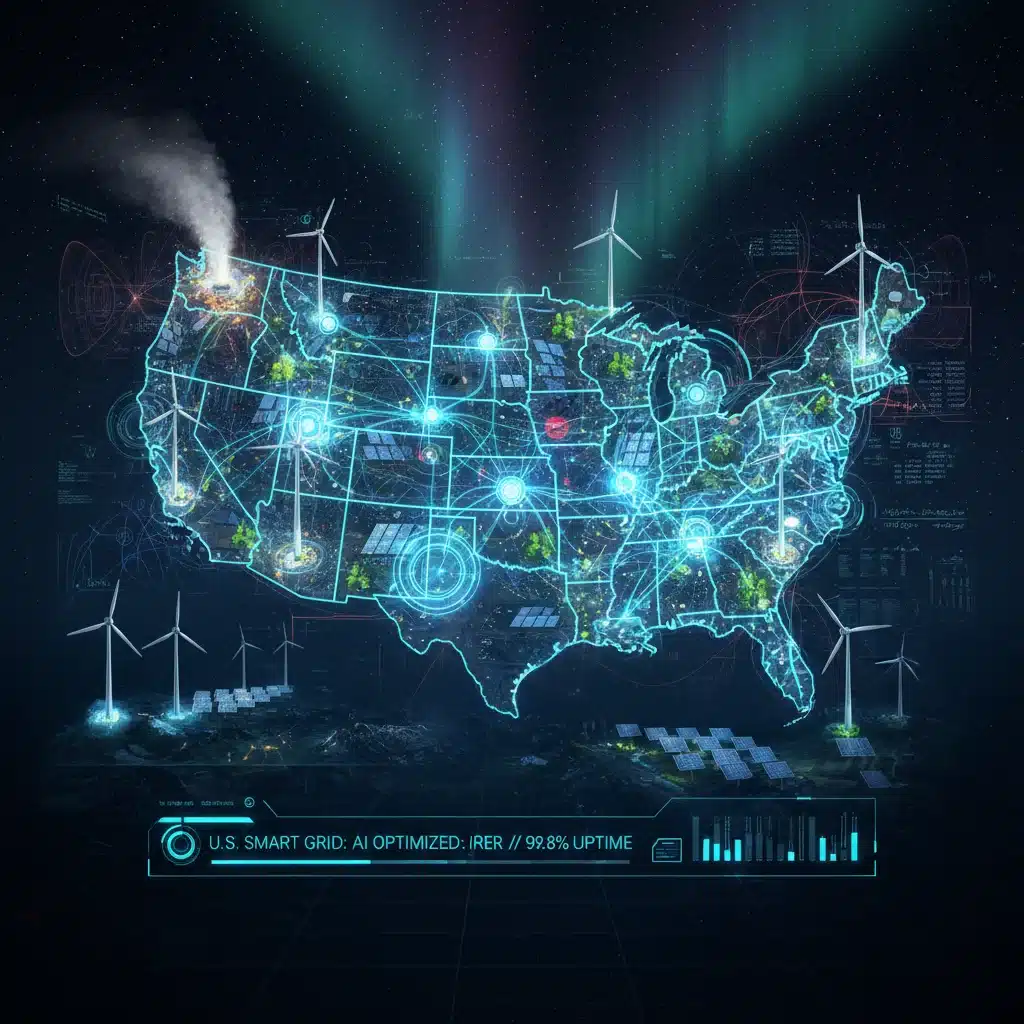
In an era defined by technological advancement and an increasing demand for reliable power, the United States energy grid faces unprecedented challenges. From aging infrastructure to the growing threat of extreme weather events and cyberattacks, maintaining a stable and efficient power supply is more critical than ever. However, a revolution is underway, driven by the integration of smart grid AI technologies. By 2026, these transformative innovations are projected to significantly bolster grid resilience, with an ambitious goal of preventing 30% of national power outages. This isn’t merely an incremental improvement; it represents a fundamental shift in how we generate, distribute, and consume electricity, promising a future of enhanced reliability, sustainability, and economic efficiency.
The concept of a ‘smart grid’ has been discussed for years, but its practical implementation, especially when supercharged by artificial intelligence, is now reaching a critical juncture. This article will delve deep into the mechanisms through which smart grid AI is achieving these remarkable feats. We will explore the core components of smart grids, the multifaceted roles of AI, the tangible benefits for consumers and utilities, and the challenges that must be overcome to fully realize this vision. Understanding this evolution is crucial for anyone interested in the future of energy, infrastructure, and technological innovation in the United States.
Anúncios
The Foundation: What is a Smart Grid?
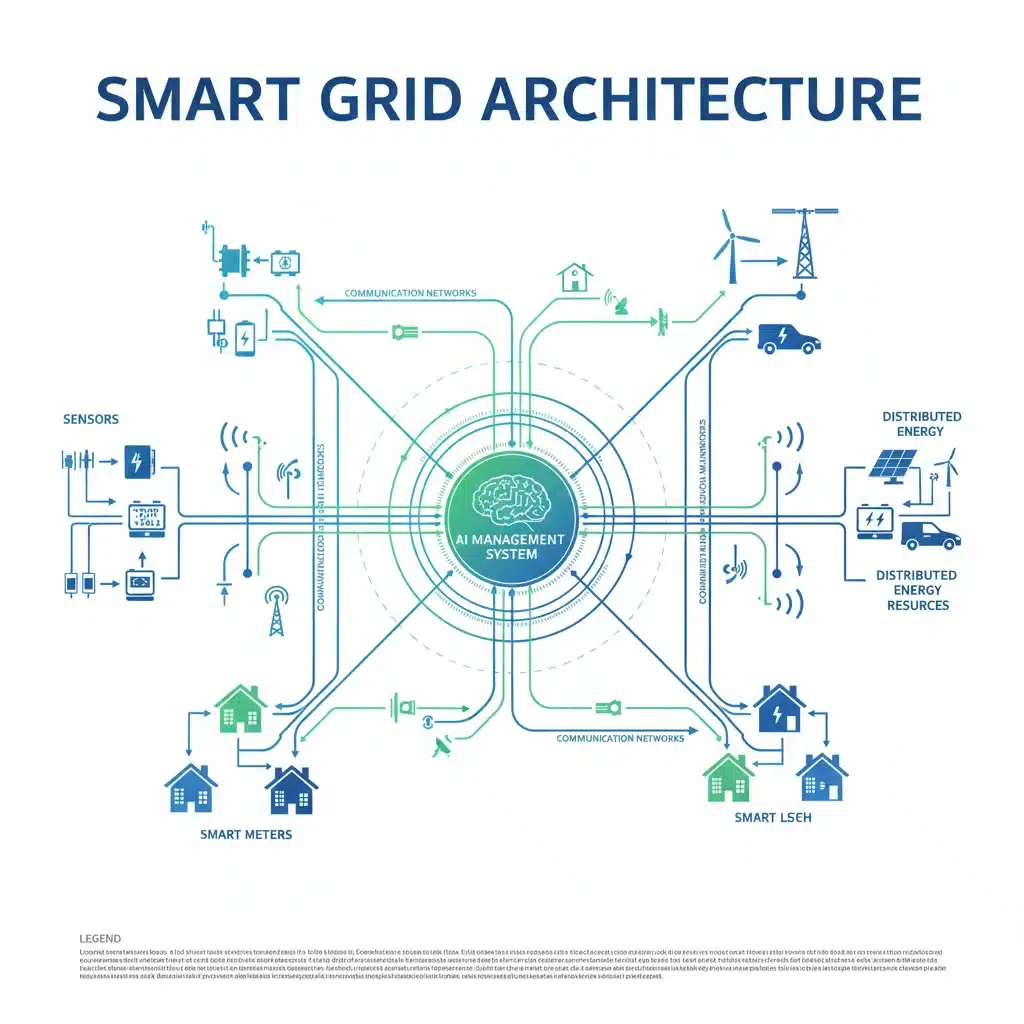
Before we explore the impact of smart grid AI, it’s essential to understand what constitutes a smart grid. Unlike the traditional, one-way electrical grid that has served us for over a century, a smart grid is a modernized electrical network that uses information and communication technologies to gather information, such as data about the behavior of suppliers and consumers, in an automated fashion to improve the efficiency, reliability, economics, and sustainability of the production and distribution of electricity. It’s a two-way flow of electricity and information, allowing for real-time monitoring, control, and optimization.
Key Characteristics of a Smart Grid:
- Two-Way Communication: Information flows between utilities and consumers, enabling dynamic pricing, demand response, and efficient energy usage.
- Advanced Sensors and Monitoring: Thousands of sensors deployed across the grid collect data on voltage, current, temperature, and equipment status, providing unprecedented visibility.
- Automated Control Systems: These systems can re-route power, isolate faults, and restore service much faster than manual operations.
- Integration of Distributed Energy Resources (DERs): Smart grids seamlessly incorporate renewable energy sources like solar and wind, and even electric vehicle charging stations, into the main grid.
- Self-Healing Capabilities: The ability to detect, diagnose, and respond to disturbances automatically, minimizing the impact of outages.
- Cybersecurity Measures: Robust security protocols are integral to protect the grid from digital threats.
The traditional grid, while remarkably robust for its time, was designed for a centralized power generation model. It struggles with the intermittency of renewables, the increasing complexity of demand, and the need for rapid response to evolving threats. The smart grid, by contrast, is built for adaptability and resilience, laying the groundwork for the powerful capabilities of smart grid AI.
Anúncios
The AI Catalyst: How AI Elevates Smart Grid Capabilities
Artificial intelligence is the brain behind the brawn of the smart grid. Without AI, the sheer volume of data collected by smart grid sensors would be overwhelming, and the potential for optimization would remain largely untapped. AI algorithms analyze this data in real-time, identifying patterns, predicting potential failures, and making intelligent decisions that enhance grid performance and prevent outages.
Predictive Analytics for Outage Prevention:
One of the most significant contributions of smart grid AI is its ability to predict and prevent outages. Traditional grids often react to failures after they occur. AI, however, can analyze historical data, weather patterns, equipment performance metrics, and even social media trends to identify areas at high risk of failure before an event happens. For example:
- Equipment Failure Prediction: AI models can learn the normal operating parameters of transformers, power lines, and other equipment. Deviations from these norms, even subtle ones, can signal impending failure, allowing utilities to perform proactive maintenance or replacements.
- Weather Impact Forecasting: By integrating advanced meteorological data with grid vulnerability maps, AI can predict which parts of the grid are most susceptible to damage from storms, heatwaves, or ice. This allows for pre-emptive actions like trimming trees or deploying repair crews strategically.
- Cyber Threat Detection: AI systems can detect unusual network traffic or unauthorized access attempts within the grid’s digital infrastructure, flagging potential cyberattacks before they can cause widespread disruption.
This predictive capability is a game-changer, moving utilities from a reactive to a proactive operational model, directly contributing to the goal of preventing 30% of outages.
Optimizing Energy Distribution and Management:
Smart grid AI also plays a crucial role in optimizing the flow of electricity. It can dynamically balance supply and demand, integrate renewable energy sources more effectively, and manage distributed energy resources (DERs) like rooftop solar panels and battery storage systems.
- Demand Response: AI can predict peak demand periods and automatically adjust pricing signals or activate demand response programs, encouraging consumers to reduce consumption and thus prevent grid overload and potential blackouts.
- Renewable Energy Integration: The intermittent nature of solar and wind power poses challenges. AI models can forecast renewable generation based on weather, optimizing its integration into the grid and minimizing reliance on fossil fuel backups.
- Voltage Optimization: AI algorithms can fine-tune voltage levels across the grid, reducing energy losses during transmission and distribution, which not only saves energy but also extends the life of grid components.
These optimizations lead to a more efficient, stable, and greener energy supply, reducing stress on the grid and inherently lowering the risk of failures.
The Path to 30% Outage Reduction by 2026
Achieving a 30% reduction in national power outages by 2026 is an ambitious yet attainable goal, provided there’s continued investment and strategic implementation of smart grid AI technologies. Several key initiatives and technological advancements are converging to make this a reality.
Enhanced Grid Visibility and Control:
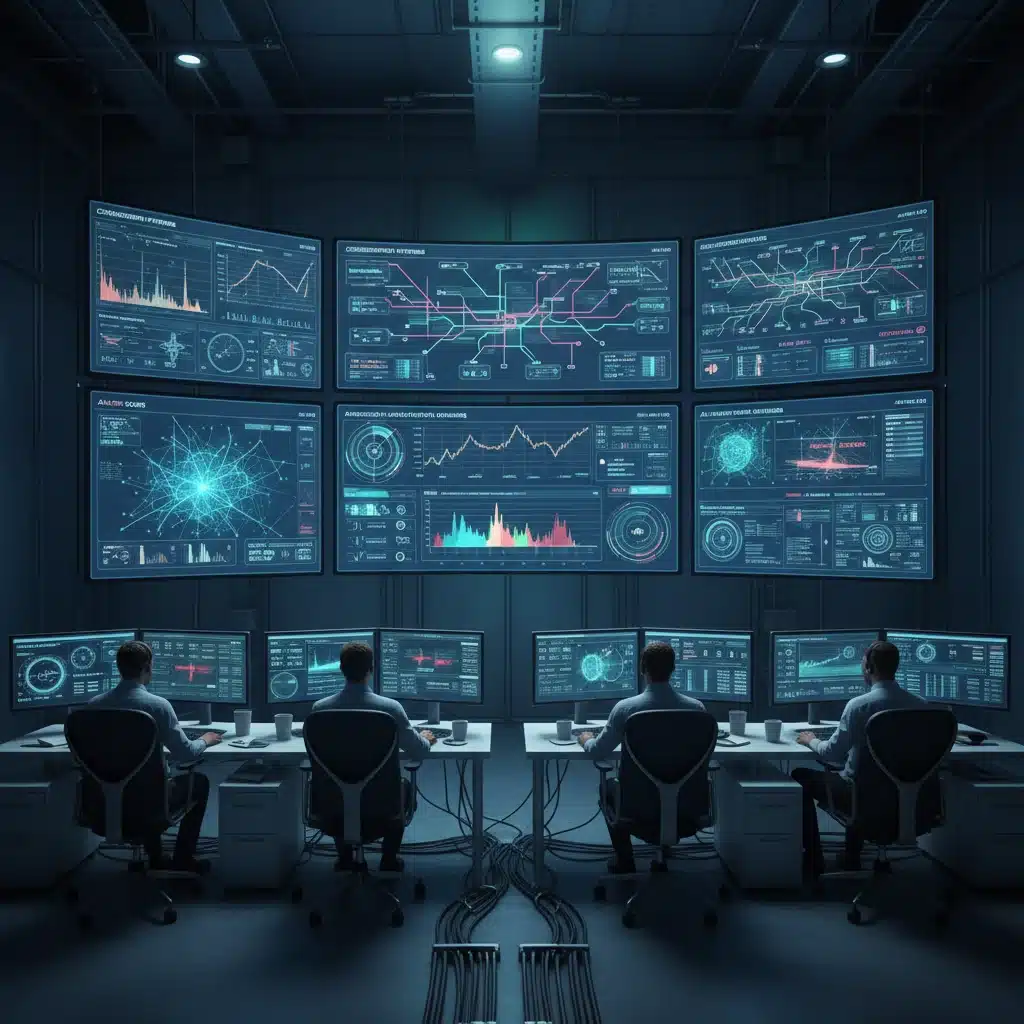
The proliferation of smart meters and sensors provides unprecedented visibility into every corner of the grid. AI processes this massive influx of data, allowing operators to see exactly where power is flowing, where demand is peaking, and where potential issues are brewing. This real-time situational awareness is critical for rapid response and proactive management.
Automated Self-Healing Grids:
One of the most exciting aspects of smart grid AI is its contribution to self-healing capabilities. When a fault occurs, AI-driven systems can automatically isolate the affected section, reroute power around it, and restore service to unaffected areas within seconds or minutes, rather than hours. This minimizes the scope and duration of outages, turning what would have been a widespread blackout into a localized, momentary flicker for most customers.
Integration of Energy Storage Solutions:
Battery energy storage systems (BESS) are becoming increasingly vital for grid stability, especially with the rise of intermittent renewables. AI manages these storage solutions, deciding when to charge batteries using excess renewable energy and when to discharge them to meet peak demand or provide backup during grid disturbances. This intelligent management of energy storage acts as a buffer, preventing outages caused by sudden drops in generation or surges in demand.
Microgrids and Distributed Resilience:
Smart grid AI also facilitates the development and operation of microgrids – localized energy grids that can disconnect from the main grid and operate autonomously. These microgrids are often powered by local renewables and battery storage, providing critical resilience to specific communities or facilities during widespread grid failures. AI optimizes the operation of these microgrids, ensuring they can seamlessly connect and disconnect from the main grid while maintaining stable power.
Benefits Beyond Outage Prevention
While preventing outages is a primary driver, the benefits of widespread smart grid AI adoption extend far beyond just keeping the lights on. These technologies are foundational to a more sustainable, efficient, and equitable energy future.
Economic Advantages:
- Reduced Operational Costs: Automated monitoring and control, predictive maintenance, and optimized energy flow lead to significant cost savings for utilities.
- Lower Energy Bills: Enhanced efficiency, reduced transmission losses, and dynamic pricing models can translate to lower costs for consumers.
- New Business Models: The smart grid enables new services and markets, such as energy arbitrage, peer-to-peer energy trading, and advanced demand response programs.
Environmental Impact:
- Increased Renewable Integration: AI makes it easier to incorporate more solar, wind, and other clean energy sources, reducing reliance on fossil fuels and lowering carbon emissions.
- Energy Efficiency: Optimized energy distribution and consumption patterns lead to less wasted energy, contributing to overall sustainability goals.
Enhanced Grid Security and Reliability:
- Cybersecurity: AI-powered anomaly detection systems provide a robust defense against increasingly sophisticated cyber threats.
- Physical Security: Real-time monitoring can detect physical intrusions or damage to infrastructure, allowing for faster response.
- Faster Restoration: Even when outages do occur, smart grid AI significantly speeds up the restoration process by accurately pinpointing faults and guiding repair crews.
Challenges and the Road Ahead
While the promise of smart grid AI is immense, its full realization is not without challenges. Addressing these hurdles is crucial for achieving the 2026 outage reduction target.
Data Management and Cybersecurity:
The sheer volume of data generated by smart grids requires robust data management systems. More critically, this interconnected network presents a larger attack surface for cyber threats. Investing in advanced encryption, intrusion detection systems, and AI-powered cybersecurity solutions is paramount to protect critical infrastructure from malicious actors.
Interoperability and Standardization:
Different utilities and technology providers often use varying systems and protocols. Ensuring seamless communication and interoperability between diverse components of the smart grid is essential for a truly integrated and efficient national system. Standardized protocols and open architectures will be key to overcoming this fragmentation.
Regulatory and Policy Frameworks:
Existing regulatory frameworks, often designed for a traditional utility model, need to evolve to support the innovations brought by smart grid AI. Policies that incentivize smart grid investments, facilitate data sharing, and encourage the adoption of new technologies are vital. Clear guidelines for data privacy and security also need to be established.
Workforce Development:
The transition to a smart grid requires a skilled workforce capable of deploying, maintaining, and operating these advanced systems. Training programs for engineers, technicians, and data scientists are necessary to ensure the industry has the talent it needs.
Cost and Investment:
The modernization of the US energy grid requires substantial investment. While the long-term benefits far outweigh the initial costs, securing funding and demonstrating a clear return on investment will be ongoing challenges for utilities and policymakers.
Case Studies and Pilot Programs
Across the United States, various utilities are already implementing elements of smart grid AI, demonstrating its efficacy and paving the way for broader adoption. For instance, some utilities have deployed smart sensors that can detect falling power lines or equipment overheating, automatically triggering alerts and even shutting down power to prevent fires or further damage. Others are using AI to optimize the charging and discharging of community battery storage systems, ensuring grid stability during peak demand or renewable energy lulls.
Pilot programs are also exploring the use of AI in predicting vegetation growth near power lines, a major cause of outages, allowing for more targeted and efficient tree-trimming schedules. In California, AI is being used to model wildfire risks, enabling utilities to proactively de-energize lines in high-risk areas during extreme weather, preventing catastrophic events. These real-world applications underscore the transformative power of smart grid AI and provide valuable insights for national implementation.
The Future Outlook: Beyond 2026
The goal of preventing 30% of outages by 2026 is an ambitious milestone, but it is just the beginning. As smart grid AI technologies continue to mature, we can expect even more profound changes in the energy landscape. The grid of the future will be even more decentralized, with a greater reliance on local energy generation and storage. AI will manage complex energy ecosystems, enabling seamless energy trading between neighbors, optimizing microgrids for maximum resilience, and even predicting individual household energy needs to fine-tune supply.
Furthermore, the integration of quantum computing with AI could unlock unprecedented levels of optimization and security for the grid. The development of more sophisticated digital twins – virtual replicas of the physical grid – will allow for highly accurate simulations and testing of various scenarios, further enhancing predictive capabilities and resilience. The journey towards a truly intelligent, self-sustaining, and outage-free grid is long, but smart grid AI is undeniably the compass guiding us forward.
Conclusion
The vision of a resilient, efficient, and sustainable US energy grid by 2026, significantly reducing outages through the power of smart grid AI, is rapidly becoming a reality. By leveraging advanced sensors, two-way communication, and the analytical prowess of artificial intelligence, utilities are moving beyond reactive measures to proactive prevention. This transformation promises not only fewer blackouts and brownouts but also a greener, more cost-effective, and secure energy future for all Americans.
While challenges in cybersecurity, interoperability, and investment remain, the momentum behind these technologies is undeniable. As we continue to invest in and refine these systems, the US energy grid will evolve into a sophisticated network capable of withstanding modern challenges, ensuring reliable power for generations to come. The era of the intelligent grid is here, and its impact on our daily lives will be nothing short of revolutionary.