Unlocking the Future: 4 Practical Steps for US Companies to Integrate Advanced Robotics by 2026

Anúncios
Unlocking the Future: 4 Practical Steps for US Companies to Integrate Advanced Robotics by 2026
The industrial landscape is undergoing a profound transformation, driven by rapid advancements in automation and artificial intelligence. For US companies, the imperative to integrate advanced robotics is no longer a futuristic concept but a present-day necessity for maintaining competitiveness, boosting productivity, and fostering innovation. As we look towards 2026, the window of opportunity to strategically adopt these technologies is narrowing, making proactive planning critical. This article will delve into four practical, actionable steps that US companies can take to successfully integrate advanced robotics into their operations, ensuring a smooth transition and maximizing the benefits of this technological revolution.
The global robotics market is projected to grow significantly, with industrial robotics alone expected to reach substantial valuations in the coming years. This growth is fueled by factors such as labor shortages, the demand for higher precision and quality, and the increasing need for flexible manufacturing systems. US companies, particularly those in manufacturing, logistics, and even services, stand to gain immensely by embracing this shift. However, the path to successful integration is not without its challenges. It requires a clear strategy, a deep understanding of available technologies, a commitment to workforce development, and a continuous focus on return on investment.
Anúncios
Step 1: Conduct a Comprehensive Needs Assessment and Feasibility Study
Before any significant investment in robotics, US companies must undertake a thorough needs assessment and feasibility study. This initial step is foundational to ensure that the chosen robotic solutions align with specific business objectives and operational requirements. It’s not enough to simply buy the latest robot; the goal is to integrate advanced robotics in a way that solves existing problems and creates new opportunities.
Identifying Bottlenecks and Opportunities
Begin by identifying key operational bottlenecks, repetitive tasks, hazardous environments, or areas where human error is prevalent. These are prime candidates for automation. For instance, in manufacturing, tasks like welding, painting, assembly, and material handling are often highly amenable to robotic solutions. In logistics, sorting, picking, and packing can be significantly optimized. Consider areas where increased speed, precision, or consistency would yield substantial benefits. This involves a granular analysis of current workflows, cycle times, quality control issues, and labor costs.
Anúncios
Beyond problem-solving, look for opportunities to innovate. Can robotics enable new product lines, custom manufacturing, or more agile production methods? Advanced robotics, especially collaborative robots (cobots) and mobile robots (AMRs), offer flexibility that can open up entirely new business models and service offerings. For example, a restaurant chain might explore robotic kitchen assistants to standardize food preparation and reduce wait times, while a healthcare provider could use robotics for sterile material transport or assisting in surgeries.
Evaluating Technological Fit and Scalability
Once needs are identified, research the various types of advanced robotics available. This includes industrial robots (articulated, SCARA, delta), collaborative robots (cobots), autonomous mobile robots (AMRs), and specialized service robots. Each type has unique strengths and applications. For example, cobots are designed to work alongside humans without safety cages, making them ideal for tasks requiring human-robot interaction and adaptability. AMRs can navigate dynamic environments, optimizing logistics and material flow across a facility.
Assess the technological fit for your specific environment. Consider factors like payload capacity, reach, speed, precision, ease of programming, and integration capabilities with existing systems (e.g., ERP, MES). Scalability is another critical consideration. Can the chosen robotic solution be easily expanded or adapted as your business grows or as production demands change? Opting for modular and flexible systems can future-proof your investment and allow for incremental integration rather than a complete overhaul.
Cost-Benefit Analysis and ROI Projections
A detailed cost-benefit analysis is indispensable. This includes not just the upfront cost of the robots and associated equipment, but also integration costs, software licenses, training, maintenance, and potential infrastructure upgrades. On the benefit side, quantify expected improvements in productivity, quality, safety, waste reduction, and labor cost savings. Calculate the estimated return on investment (ROI) and payback period. This financial justification is crucial for securing internal buy-in and funding.
Don’t overlook intangible benefits. Improved employee morale due to reduced monotonous or dangerous tasks, enhanced brand image as an innovator, and increased ability to attract skilled talent can also contribute significantly to the overall value proposition. A robust feasibility study ensures that the decision to integrate advanced robotics is data-driven and strategically sound, laying a solid foundation for future success.
Step 2: Develop a Phased Implementation Strategy and Pilot Programs
Successfully integrating advanced robotics rarely happens overnight. A phased implementation strategy, often starting with pilot programs, minimizes risks, allows for learning and adjustments, and ensures a smoother transition. This strategic approach is vital for US companies looking to integrate advanced robotics without disrupting core operations.
Starting Small: Identifying Pilot Projects
Instead of attempting a large-scale deployment immediately, identify a specific, manageable area or process for a pilot project. Choose a task that is well-defined, relatively isolated, and offers clear metrics for success. For example, automating a single welding station, a specific quality inspection process, or a material transport route with an AMR. The goal of a pilot is to test the technology in a real-world setting, gather data, and identify unforeseen challenges and opportunities.
A successful pilot program provides invaluable insights into the actual performance of the robotic system, its integration with existing infrastructure, and the impact on the workforce. It also serves as a proof of concept, building confidence among stakeholders and providing tangible evidence of the benefits of robotics. Document every aspect of the pilot, from initial setup and programming to operational performance and troubleshooting.

Building a Cross-Functional Integration Team
Effective integration requires a collaborative effort. Establish a cross-functional team comprising representatives from engineering, IT, operations, HR, and finance. This team will be responsible for overseeing the entire integration process, from vendor selection and system design to deployment and ongoing maintenance. Their diverse perspectives are crucial for addressing all facets of the integration challenge.
The team should collectively define clear objectives for the pilot and subsequent phases, establish key performance indicators (KPIs) to measure success, and develop a detailed project plan with timelines and responsibilities. Regular communication and problem-solving sessions within this team are essential to keep the project on track and address any emerging issues promptly. This collaborative approach fosters a sense of ownership and ensures that all departments are aligned with the goal to integrate advanced robotics.
Vendor Selection and Partnership
Choosing the right technology vendor is critical. Look for partners who offer not only cutting-edge robotic solutions but also strong technical support, training programs, and a proven track record. Engage in detailed discussions with potential vendors, asking for case studies, references, and demonstrations. Consider their expertise in your specific industry and their ability to provide customized solutions.
A strong partnership with your chosen vendor can significantly streamline the integration process. They can offer insights into best practices, assist with system design and programming, and provide ongoing maintenance and support. Don’t hesitate to negotiate service level agreements (SLAs) to ensure timely support and minimize downtime. Building a relationship with a reliable vendor is an investment that pays dividends throughout the lifecycle of your robotic systems.
Step 3: Invest in Workforce Development and Training
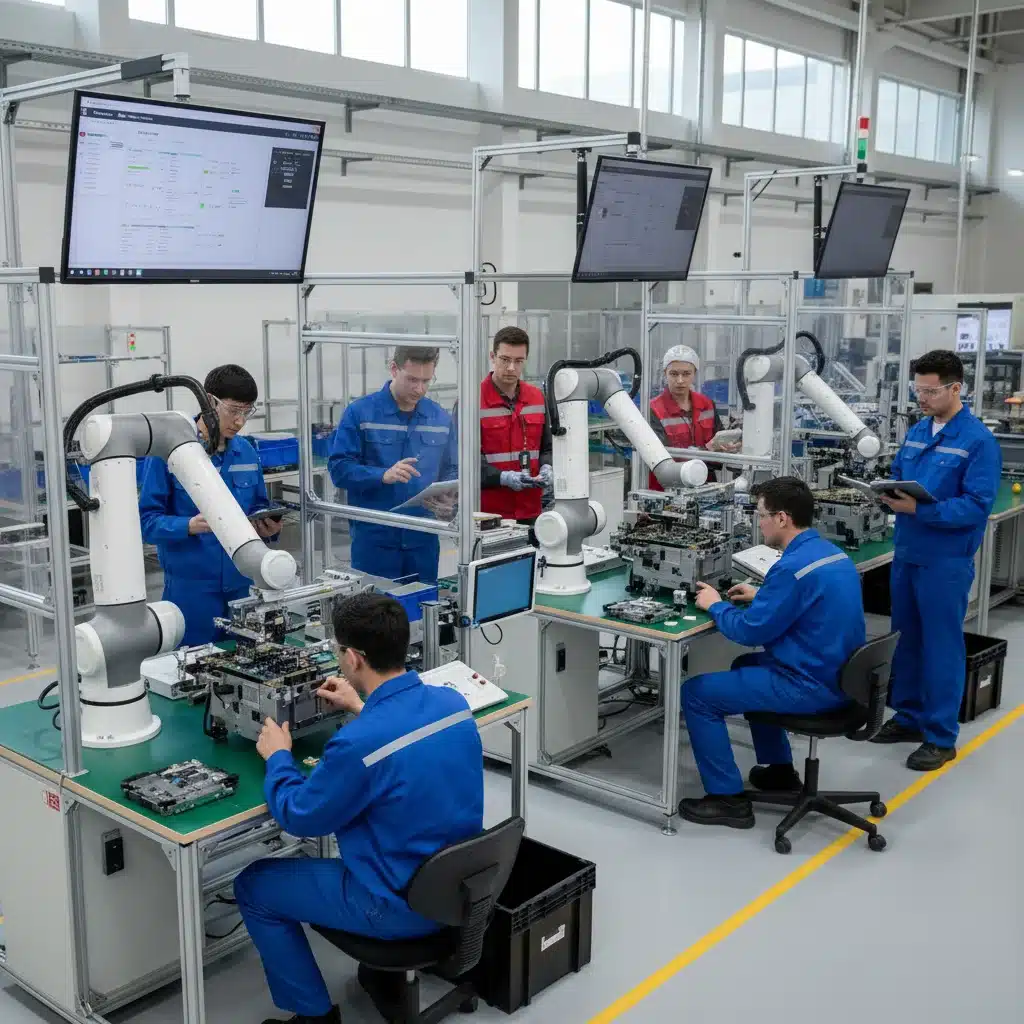
One of the most critical, yet often overlooked, aspects of integrating advanced robotics is the impact on the human workforce. Successful integration isn’t about replacing humans with robots, but rather about augmenting human capabilities and creating new, higher-value roles. US companies must prioritize workforce development and training to ensure their employees are prepared for the future of work alongside robots. This is a non-negotiable step to effectively integrate advanced robotics.
Reskilling and Upskilling Current Employees
The introduction of robotics will inevitably change job roles. Rather than viewing this as a threat, companies should see it as an opportunity to reskill and upskill their existing workforce. Employees whose tasks are automated can be trained for new roles involving the programming, maintenance, supervision, and optimization of robotic systems. This approach not only retains valuable institutional knowledge but also fosters employee loyalty and reduces the need for external hiring.
Develop comprehensive training programs that cover the operation, troubleshooting, and basic programming of the new robotic equipment. Partner with robotics manufacturers, local community colleges, or vocational schools to deliver specialized courses. Consider internal mentorship programs where early adopters of the technology can train their peers. Investing in your employees’ growth ensures a smoother transition and maximizes the value of both human and robotic capital.
Addressing Employee Concerns and Change Management
Fear of job displacement is a natural concern when new technologies are introduced. Proactive and transparent communication is key to alleviating these anxieties. Educate employees about the benefits of robotics – improved safety, reduced strenuous labor, and the creation of more engaging roles. Emphasize that robotics are tools to enhance human capabilities, not replace them entirely.
Involve employees in the integration process from the beginning. Solicit their feedback, address their concerns, and demonstrate how robotics can make their jobs safer, easier, and more productive. A well-managed change management strategy can turn potential resistance into enthusiastic adoption, making the journey to integrate advanced robotics a collaborative success.
Cultivating a Culture of Innovation and Continuous Learning
The rapid pace of technological change means that learning cannot be a one-time event. Companies need to foster a culture of continuous learning and innovation. Encourage employees to experiment with new technologies, participate in workshops, and stay updated on industry trends. Create internal platforms for sharing knowledge and best practices related to robotics.
This culture extends beyond the factory floor. R&D teams should continuously explore new robotic applications, while management should support pilot projects and allocate resources for ongoing training and development. By embedding innovation into the company’s DNA, US businesses can ensure they remain at the forefront of robotic adoption and are always ready to integrate advanced robotics as they evolve.
Step 4: Establish Robust Data Analytics and Performance Monitoring
The true value of integrating advanced robotics is unlocked through continuous monitoring, data analysis, and performance optimization. Without robust systems for tracking key metrics, companies risk underutilizing their robotic investments and missing opportunities for further improvement. This final step is crucial for maximizing the long-term benefits of efforts to integrate advanced robotics.
Implementing IoT and Sensor Integration
Modern robotic systems are often equipped with a multitude of sensors and connectivity features, making them ideal candidates for Internet of Things (IoT) integration. Connect your robots to a centralized data collection platform to gather real-time information on their performance, status, and environmental conditions. This includes data on cycle times, uptime, error rates, energy consumption, and product quality metrics.
IoT integration allows for predictive maintenance, where potential equipment failures can be anticipated and addressed before they lead to costly downtime. It also provides granular insights into operational efficiency, allowing for precise adjustments to optimize robot performance and overall production flow. The more data you collect, the better equipped you are to make informed decisions about your robotic fleet.
Leveraging AI and Machine Learning for Optimization
Beyond basic data collection, advanced analytics, powered by artificial intelligence (AI) and machine learning (ML), can transform raw data into actionable insights. AI algorithms can analyze vast datasets to identify patterns, predict future outcomes, and even recommend optimal operational parameters for your robots. For example, ML models can learn from past production data to suggest adjustments that minimize defects, reduce energy consumption, or improve throughput.
This level of intelligence enables dynamic optimization. Robots can adapt their movements or processes in real-time based on changing conditions or new data, leading to unprecedented levels of efficiency and flexibility. Consider implementing digital twins – virtual replicas of your physical robotic systems – to simulate different scenarios and test optimization strategies without impacting live production. This advanced analytical capability is key to truly maximizing the potential when you integrate advanced robotics.
Continuous Improvement and Iteration
Integrating advanced robotics is not a one-time project but an ongoing journey of continuous improvement. Regularly review the performance of your robotic systems against the KPIs established in Step 2. Are they meeting productivity targets? Are quality levels improving? Is safety enhanced? Use the data collected to identify areas for further optimization and refinement.
Encourage feedback from operators and maintenance staff, as their hands-on experience can provide valuable qualitative insights. Be prepared to iterate on your robotic deployments, making adjustments to programming, layout, or even the type of robots used, based on performance data and evolving business needs. This iterative approach ensures that your investment in advanced robotics continues to deliver value and adapt to future challenges and opportunities.
Conclusion: Paving the Way for a Robotic Future
The imperative for US companies to integrate advanced robotics by 2026 is clear. It’s a strategic move that promises enhanced productivity, improved quality, greater safety, and a significant competitive edge in an increasingly automated global economy. By meticulously following these four practical steps – conducting comprehensive needs assessments, developing phased implementation strategies, investing in workforce development, and establishing robust data analytics – companies can navigate the complexities of automation with confidence and achieve sustainable success.
Embracing robotics is more than just adopting new technology; it’s about reimagining operational processes, empowering the workforce, and fostering a culture of innovation. The journey may present challenges, but with careful planning, strategic partnerships, and a commitment to continuous improvement, US companies can effectively harness the power of advanced robotics to build a more resilient, efficient, and prosperous future. The time to act is now, to ensure that your business is not just participating in, but leading the charge into the next industrial era.