Navigating X (Twitter) Policy Shifts: 3 Key Adjustments for Brand Engagement in 2026
Anúncios
Navigating X (Twitter) Policy Shifts: 3 Key Adjustments for Brand Engagement in 2026
The digital landscape is a constantly shifting terrain, and few platforms exemplify this more vividly than X, formerly known as Twitter. As we approach 2026, the cumulative effect of recent and anticipated X policy shifts presents both challenges and opportunities for brands striving to maintain and enhance their engagement strategies. Understanding these changes isn’t merely about compliance; it’s about foresight, adaptability, and the strategic evolution of how brands connect with their audiences in a dynamic digital ecosystem.
The platform’s transformation under new ownership has been characterized by rapid iterations in content moderation, data access, advertising guidelines, and verification processes. These aren’t minor tweaks; they represent fundamental reconfigurations that demand a proactive and informed response from marketers. Brands that fail to adapt risk diminished reach, reduced engagement, and ultimately, a weakened presence on a platform that, despite its volatility, remains a critical conduit for real-time communication and public discourse.
Anúncios
This comprehensive guide delves into the most impactful X policy shifts projected to define the brand engagement landscape by 2026. We will explore three crucial adjustments that brands must implement to not only survive but thrive in this evolving environment, ensuring their messages resonate, their communities remain vibrant, and their marketing efforts yield tangible results.
The Evolving Landscape of X (Twitter) Policies: A Retrospective and Prospective Look
Before we outline the necessary adjustments, it’s vital to grasp the trajectory of X’s policy evolution. The platform’s journey since its acquisition has been marked by significant shifts that have fundamentally altered its operational framework and user experience. From the introduction of subscription models for verification to changes in API access and content visibility algorithms, each alteration has rippled through the marketing community, forcing a re-evaluation of established best practices.
Anúncios
Key Policy Areas Undergoing Transformation:
- Content Moderation & Free Speech: The platform’s stance on content moderation has been a hotbed of debate, with policies oscillating between stringent enforcement and a more permissive approach. For brands, this impacts everything from brand safety to the tone of their communications and the types of conversations they can participate in without fear of association with controversial content. The emphasis on ‘freedom of speech’ has led to a more diverse, and at times more polarized, content stream, requiring brands to be more discerning about their engagement strategies.
- Data Access & API Changes: The significant restrictions on API access have profoundly affected third-party analytics tools, scheduling platforms, and research capabilities. This limits a brand’s ability to gather granular insights, monitor trends, and automate certain aspects of their X presence. By 2026, brands must navigate a landscape where proprietary data from X might be the primary source of insights, or they will need to invest in more sophisticated first-party data collection and analysis.
- Advertising & Monetization Models: X has been experimenting with various advertising formats and monetization strategies, including new subscription tiers that offer enhanced visibility. These changes directly influence ad reach, cost-effectiveness, and the overall return on investment for marketing campaigns. Brands need to stay abreast of these developments to optimize their ad spend and ensure their messages cut through the noise.
- Verification & Impersonation: The revamped verification system, moving from a merit-based system to a paid subscription, has created confusion and opened avenues for impersonation. Brands must find new ways to establish their authenticity and trust with their audience, potentially relying more on official website links, consistent branding, and proactive communication to counter misinformation.
- Algorithm Shifts & Visibility: Like all social platforms, X continuously tweaks its algorithms to determine content visibility. Recent changes have focused on promoting certain types of content or accounts, which can significantly impact a brand’s organic reach. Understanding these algorithmic nuances will be crucial for optimizing content strategy and ensuring messages are seen by the target audience.
These overarching X policy shifts are not isolated incidents but interconnected facets of a broader platform strategy. Brands that view them as such, and prepare accordingly, will be better positioned for success.
Adjustment 1: Prioritizing Authenticity and Trust in Content Strategy
In an environment where verification is monetized and misinformation can proliferate, authenticity and trust are no longer just desirable traits; they are existential necessities for brand engagement on X. By 2026, audiences will be more discerning, seeking genuine connections and reliable information. Brands must pivot their content strategy to explicitly foster this trust.
Strategies for Building Authenticity and Trust:
- Transparent Communication: Be upfront about your brand’s values, intentions, and any potential issues. If there’s a service disruption or a product recall, communicate it clearly and promptly on X. Transparency builds credibility.
- Humanizing Your Brand: Move beyond purely promotional content. Share behind-the-scenes glimpses, introduce team members, or highlight your brand’s community involvement. Authenticity often comes from showing the human side of your organization.
- Engaging in Meaningful Conversations: Don’t just broadcast; interact. Respond to comments, participate in relevant discussions, and acknowledge feedback – both positive and negative. This demonstrates that your brand is listening and values its audience.
- Fact-Checking and Credible Sourcing: When sharing information, especially news or data, ensure its accuracy and cite credible sources. In a landscape prone to misinformation, being a reliable source of information can significantly elevate your brand’s standing.
- User-Generated Content (UGC) Integration: Encourage and share content created by your customers. UGC is inherently authentic and serves as powerful social proof, reinforcing trust in your brand. Ensure you have proper permissions and credit creators.
- Thought Leadership with Integrity: Position your brand as a thought leader in your industry, but do so with integrity. Share insights, contribute to industry discussions, and offer valuable perspectives without overt self-promotion. This establishes expertise and reliability.
The erosion of traditional trust signals on X means brands must actively work to rebuild and maintain it through every piece of content and every interaction. This is not a one-time effort but an ongoing commitment that will differentiate successful brands from those that struggle to connect.
Adjustment 2: Diversifying Content Formats and Engagement Tactics
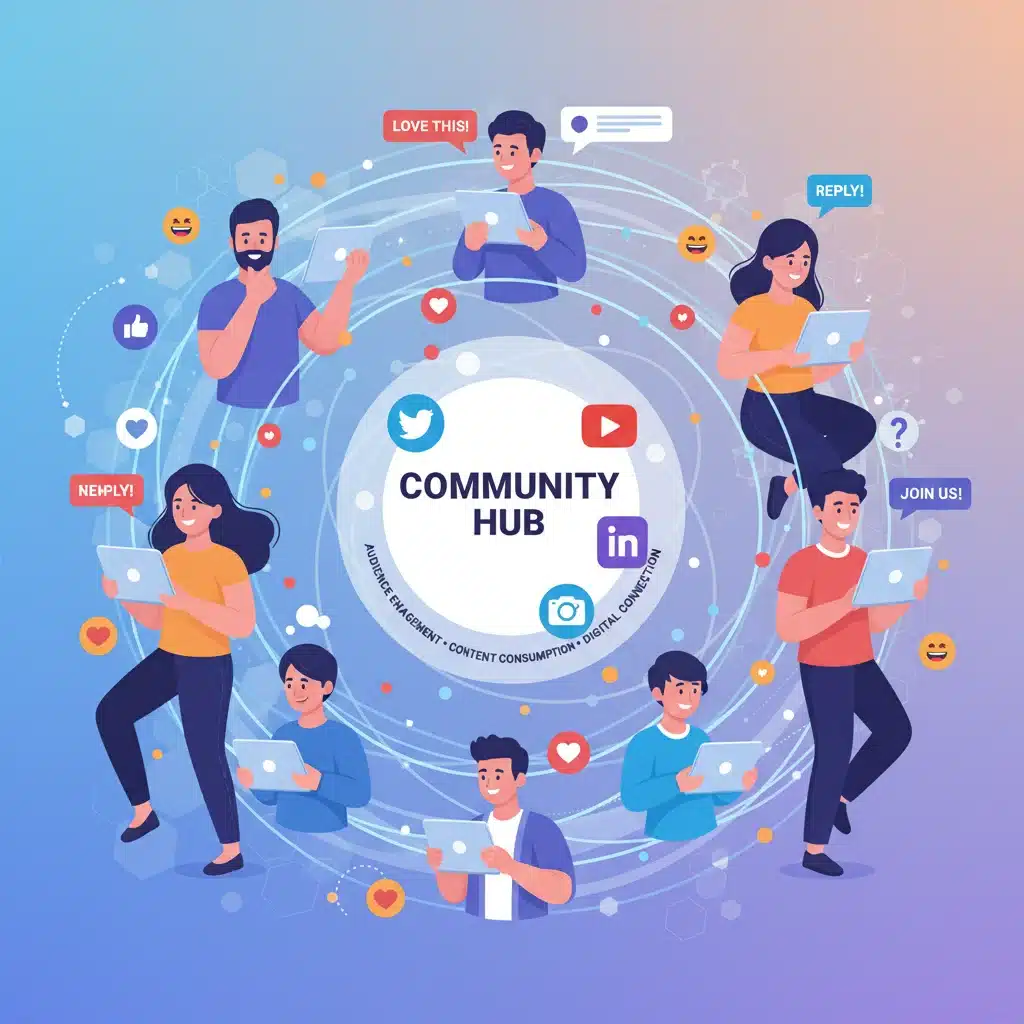
With algorithmic shifts potentially impacting organic reach and evolving user preferences, relying on a single content format or engagement tactic on X is a precarious strategy. By 2026, brands must embrace a diversified approach, leveraging the full spectrum of X’s capabilities and adapting to what resonates most with their specific audience amidst the X policy shifts.
Expanding Your Content Toolkit:
- Embrace Rich Media (Video & Images): While X has always supported visuals, the emphasis on video content continues to grow across all platforms. Short, engaging videos, animated graphics, and high-quality images can significantly boost visibility and engagement. Consider live video for Q&A sessions, product launches, or behind-the-scenes tours.
- Interactive Content: Polls, quizzes, and ‘Ask Me Anything’ (AMA) sessions are excellent for fostering direct engagement and gathering audience insights. These formats encourage participation, making users feel more invested in your brand’s presence.
- Leverage X Spaces: X Spaces offers a powerful avenue for real-time audio conversations. Brands can host discussions, interviews, or panel talks, providing valuable content and direct interaction with their community. This format can build a sense of exclusivity and direct access.
- Thread-Based Storytelling: Utilize X’s threading feature to tell longer stories, break down complex topics, or provide in-depth analyses. This allows for more comprehensive communication than a single tweet, keeping users engaged across multiple posts.
- Community Building Initiatives: Go beyond simply posting. Create themed hashtags, encourage user-generated content campaigns, or organize virtual events that foster a sense of community around your brand. Active community management can significantly enhance loyalty.
- Strategic Use of Links: While X’s algorithm might sometimes deprioritize external links, they remain crucial for driving traffic to your website, landing pages, or other owned media. Integrate links strategically within threads or as calls to action where appropriate, focusing on providing value before the click.
The goal is to move beyond a ‘one-size-fits-all’ approach. Experiment with different formats, analyze their performance, and tailor your content strategy to the preferences of your target audience, keeping in mind the ongoing X policy shifts.
Adjustment 3: Adapting to Evolving Advertising and Monetization Models
The financial underpinnings of X are undergoing significant changes, directly impacting how brands can effectively reach their audience through paid promotion. By 2026, a nuanced understanding of X’s advertising and monetization models will be paramount for optimizing marketing spend and achieving campaign objectives amidst the X policy shifts.
Navigating Paid Promotion on X:
- Understanding Subscription Benefits: X offers various subscription tiers (e.g., X Premium) that provide enhanced visibility, longer posts, and fewer ads for subscribers. Brands need to assess if integrating these benefits into their strategy (e.g., creating content specifically for subscribers, or leveraging subscriber-only features) can yield a competitive advantage.
- Diversifying Ad Formats and Targeting: X’s advertising platform continues to evolve. Brands should explore new ad formats, such as promoted trends, conversation ads, or specific video ad units, to see which perform best for their objectives. Refine targeting strategies based on updated audience segmentation capabilities and performance data.
- Budget Allocation and ROI Monitoring: With potential fluctuations in ad costs and reach due to policy changes, meticulous budget allocation and continuous ROI monitoring are critical. Brands should regularly review campaign performance, adjust bids, and reallocate spend to the most effective channels on X.
- Influencer Marketing on X: As traditional advertising models shift, influencer marketing on X can become even more potent. Partnering with credible, relevant influencers who align with your brand values can help circumvent some algorithmic limitations and reach engaged audiences authentically. Ensure clear disclosure and compliance with advertising standards.
- Leveraging Analytics (Where Available): Despite API restrictions, utilize any available first-party analytics from X to understand what content performs best, who your audience is, and how your paid campaigns are driving results. Supplement this with website analytics to track traffic and conversions originating from X.
- Experimentation and Agility: The advertising landscape on X is fluid. Brands must adopt a mindset of continuous experimentation. Run A/B tests on ad creatives, targeting parameters, and calls to action. Be prepared to pivot strategies quickly based on performance data and new X policy shifts.
Success in paid promotion on X by 2026 will hinge on a brand’s ability to adapt swiftly to new rules, optimize their ad spend effectively, and integrate paid efforts seamlessly with their organic content strategy.
Beyond the Adjustments: The Mindset for Future Success on X
While the three adjustments outlined above provide a concrete roadmap, the underlying success factor for brands on X by 2026 will be a fundamental shift in mindset. The platform is no longer a predictable marketing channel; it’s a dynamic, often unpredictable, arena that demands agility, resilience, and a deep understanding of its evolving culture.
Cultivating an Adaptive Marketing Mindset:
- Stay Informed and Proactive: Regularly monitor official X announcements, industry news, and reputable analyses of policy changes. Don’t wait for changes to impact your performance; anticipate them and adjust your strategy proactively.
- Embrace Experimentation: The ‘old ways’ may not work. Be willing to experiment with new content formats, engagement tactics, and advertising approaches. Not every experiment will succeed, but the insights gained are invaluable.
- Focus on Value Creation: In a noisy and often chaotic environment, content that genuinely adds value stands out. Whether it’s information, entertainment, or community, ensure your brand’s presence on X consistently provides something meaningful to your audience.
- Prioritize Community Over Reach: While reach is important, fostering a loyal, engaged community can be more valuable in the long run, especially as algorithms shift. A strong community is more resilient to policy changes and more likely to advocate for your brand.
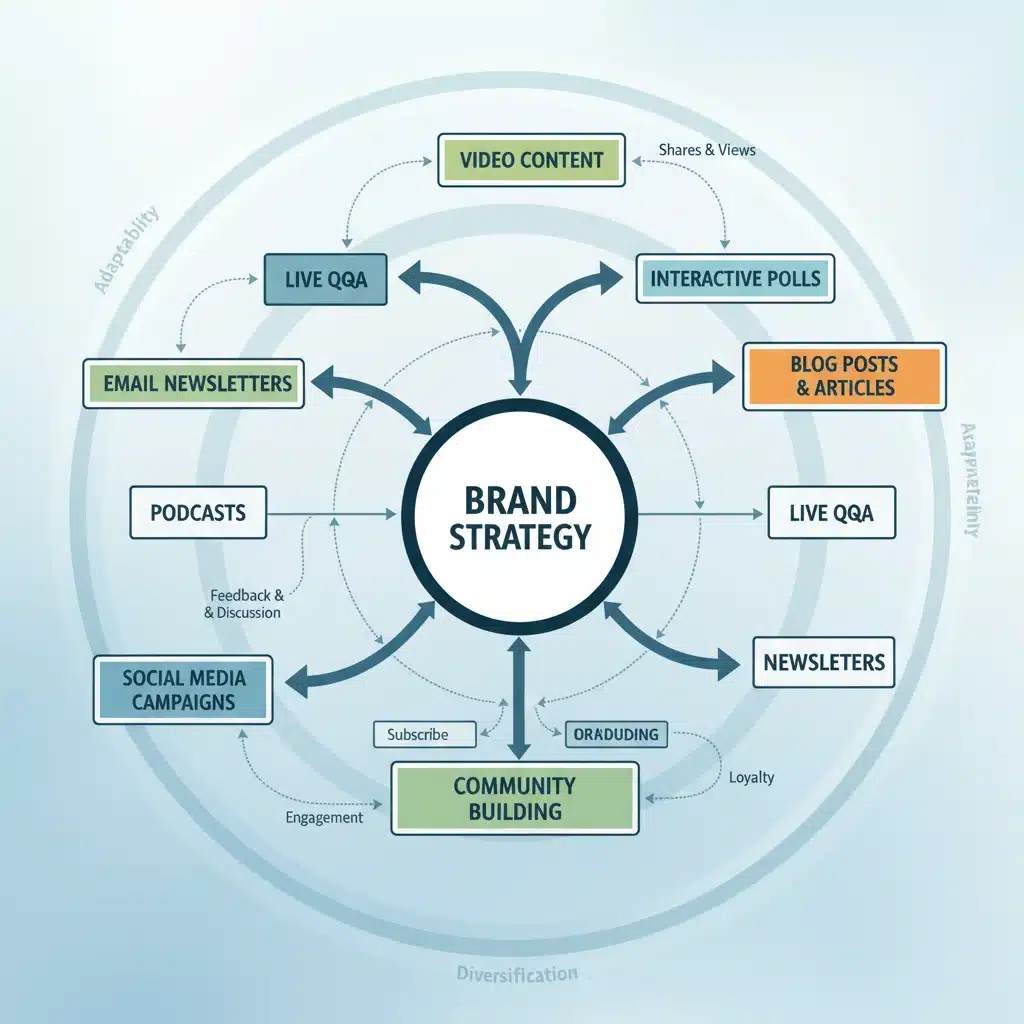
- Integrate X with a Broader Digital Strategy: X should not operate in a silo. Ensure your X strategy is integrated with your overall digital marketing efforts, leveraging cross-promotion and consistent messaging across all platforms. This reduces reliance on any single channel.
- Measure What Matters: Beyond vanity metrics, focus on KPIs that align with your business objectives. Are you driving website traffic? Generating leads? Improving customer service? Adapt your measurement framework to reflect the evolving nature of X engagement.
The future of brand engagement on X is not about resisting change but about mastering it. Brands that embrace this philosophy will not only navigate the X policy shifts successfully but will also discover new and innovative ways to connect with their audiences, solidifying their position as leaders in the digital sphere.
Conclusion: Thriving in the New X Era
The journey towards 2026 will undoubtedly bring further transformations to X. The X policy shifts we’ve discussed — the imperative for authenticity and trust, the need for diversified content and engagement, and the adaptation to new advertising models — are not merely recommendations; they are critical pillars for sustainable brand engagement. Brands that proactively embed these adjustments into their core digital strategy will be the ones that continue to build strong communities, drive meaningful interactions, and achieve their marketing objectives on this influential platform.
The challenges are significant, but so are the opportunities for innovation and deeper connection. By prioritizing genuine engagement, embracing diverse communication methods, and strategically navigating the evolving commercial landscape of X, brands can ensure their voice remains heard, valued, and influential in the years to come. The time to prepare for these shifts is now, laying the groundwork for a resilient and impactful presence on X well into the future.