Navigating AI Ethics: Solutions for US Tech Consumers in 2026

Practical solutions for US tech consumers are crucial for navigating new AI ethical dilemmas in 2026, addressing challenges like data privacy, algorithmic bias, and the implications of autonomous systems.
As we rapidly approach 2026, the landscape of artificial intelligence continues to evolve, presenting US tech consumers with unprecedented ethical challenges. Understanding and implementing AI ethics solutions is no longer a niche concern but a fundamental necessity for protecting individual rights and fostering a trustworthy digital environment.
Understanding the New AI Ethical Landscape in 2026
The acceleration of AI integration into daily life brings both convenience and complexity, fundamentally altering how we interact with technology. In 2026, AI is not just in our smartphones; it’s deeply embedded in our homes, healthcare, transportation, and even our democratic processes. This pervasive presence demands a proactive approach to ethical considerations, moving beyond theoretical discussions to actionable strategies for consumers.
The rapid pace of innovation often outstrips regulatory frameworks, leaving consumers to grapple with the immediate implications of AI technologies. From personalized advertising to predictive analytics in justice systems, the ethical stakes are higher than ever. Therefore, understanding the core dilemmas is the first step toward effective mitigation and empowerment.
The Pervasive Reach of AI
AI’s influence now extends across virtually every sector, creating a web of interconnected systems that process vast amounts of data. This omnipresence means that ethical considerations are no longer confined to specialized tech circles but are relevant to every individual interacting with digital tools.
- Healthcare: AI-driven diagnostics and personalized treatment plans raise questions about accuracy, data ownership, and equitable access.
- Finance: Algorithmic lending and investment tools can perpetuate biases or create new forms of financial exclusion.
- Employment: AI in hiring and performance evaluations necessitates scrutiny over fairness and transparency in career opportunities.
- Education: Personalized learning platforms must be evaluated for their impact on student privacy and the potential for algorithmic discrimination.
These areas highlight the critical need for consumers to be informed and equipped with strategies to navigate these complex ethical terrains effectively. The shift from a passive user to an active participant in shaping AI’s ethical future is paramount.
In conclusion, the AI landscape of 2026 is characterized by its deep integration into societal structures. Recognizing this pervasive reach is essential for consumers to identify and address the ethical challenges that arise from these advanced technologies, paving the way for more informed decision-making and advocacy.
Dilemma 1: Data Privacy and Surveillance in AI Systems
One of the most pressing ethical dilemmas facing US tech consumers in 2026 is the ever-expanding scope of data collection and its utilization by AI systems, often blurring the lines between convenience and pervasive surveillance. As AI becomes more sophisticated, its ability to collect, analyze, and infer insights from personal data grows exponentially, leading to concerns about privacy erosion and potential misuse.
Consumers are increasingly aware that their digital footprints are being used to train AI models, but the extent of this usage and the implications for their autonomy remain opaque. This dilemma is exacerbated by the lack of clear, universally enforceable regulations that keep pace with technological advancements, leaving individuals vulnerable.
Navigating Data Collection Practices
Understanding how AI systems collect and process data is crucial for consumers seeking to protect their privacy. Many everyday devices, from smart home assistants to wearable tech, are constant data streams.
- Read Privacy Policies: While often lengthy, actively engaging with privacy policies can reveal crucial details about data handling. Look for plain language summaries or third-party analyses.
- Review App Permissions: Regularly check and adjust permissions for apps on your devices. Limit access to location, microphone, camera, and contacts unless absolutely necessary for functionality.
- Utilize Privacy-Focused Tools: Employ browsers, search engines, and VPNs designed with privacy as their core principle. These tools can limit tracking and encrypt your online activities.
Beyond individual actions, advocating for stronger data protection laws and supporting companies committed to ethical data practices can drive systemic change. Consumers have collective power to demand greater transparency and control over their personal information.
In essence, the data privacy dilemma in AI systems requires a multi-faceted approach. Consumers must educate themselves on data collection practices, leverage available privacy tools, and actively participate in advocating for more robust regulatory frameworks to safeguard their digital rights.
Dilemma 2: Algorithmic Bias and Discrimination
The second critical dilemma confronting US tech consumers in 2026 is the persistent issue of algorithmic bias, where AI systems, intentionally or unintentionally, perpetuate or even amplify existing societal prejudices. These biases can manifest in various applications, from facial recognition software misidentifying individuals of certain demographics to AI-powered hiring tools inadvertently favoring specific applicant profiles.
The problem stems from biased training data, flawed algorithm design, or a combination of both, leading to outcomes that are unfair, discriminatory, and can have significant real-world consequences for individuals and communities. Addressing this requires a concerted effort to ensure fairness and equity in AI development and deployment.
Identifying and Mitigating Bias in AI
For consumers, recognizing the signs of algorithmic bias is the first step towards seeking remediation and demanding more equitable AI. Bias can be subtle, impacting access to opportunities, services, or even legal outcomes.
- Question AI Decisions: If an AI system provides a result that feels unfair or discriminatory (e.g., loan rejection, job application screening), challenge it. Request explanations or human review when possible.
- Support Audited AI Products: Prioritize using AI services and products from companies that openly conduct independent audits for bias and publish their findings.
- Demand Transparency: Advocate for greater transparency in how AI systems make decisions. Understanding the ‘why’ behind an AI’s output is critical for identifying and addressing bias.
Furthermore, consumer advocacy groups and regulatory bodies play a vital role in pushing for industry standards and accountability. Collective action can pressure companies to invest in diverse data sets and ethical AI development teams, crucial steps in mitigating bias.
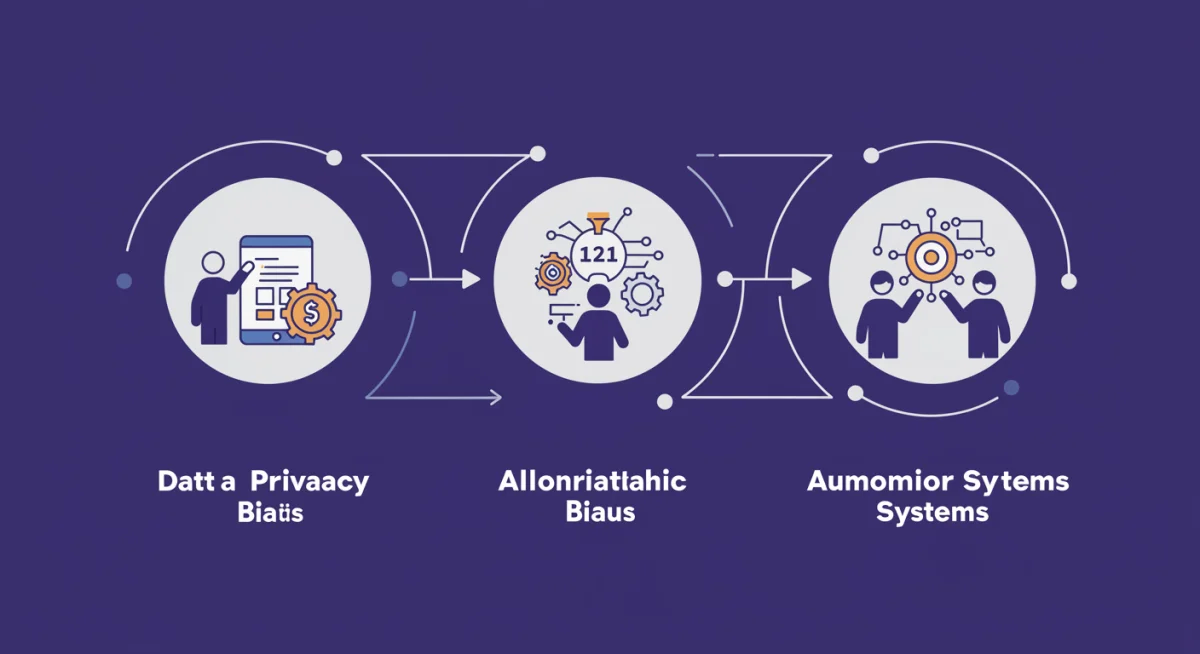
Ultimately, tackling algorithmic bias requires consumers to be vigilant, questioning, and proactive. By understanding how bias permeates AI and actively seeking out ethical alternatives, individuals can contribute to a future where AI serves all segments of society fairly.
Dilemma 3: Accountability in Autonomous AI Systems
The rise of increasingly autonomous AI systems presents a complex ethical dilemma concerning accountability. As AI-powered vehicles, drones, and even decision-making algorithms operate with greater independence, pinpointing responsibility when errors or harms occur becomes incredibly challenging. This is a critical concern for US tech consumers in 2026, particularly as these systems move from controlled environments into everyday public spaces.
Who is accountable when an autonomous vehicle causes an accident? Is it the manufacturer, the software developer, the owner, or the AI itself? These questions underscore a significant legal and ethical void that current frameworks struggle to fill, leaving consumers in a precarious position should something go wrong.
Establishing Clear Lines of Responsibility
Addressing the accountability dilemma requires a multi-pronged approach involving legislative action, industry standards, and consumer awareness. Without clear guidelines, the adoption of autonomous AI could lead to a ‘responsibility vacuum.’
- Push for Regulatory Clarity: Support legislation that clearly defines liability for autonomous systems. This could involve new insurance models or specific regulatory bodies.
- Demand Robust Testing: Insist on evidence of extensive, transparent testing for autonomous AI products before widespread deployment. This includes stress testing for edge cases and potential failures.
- Understand User Agreements: Carefully review terms of service for autonomous products, paying close attention to clauses related to liability, data usage, and system updates.
The development of industry best practices for auditing and certifying autonomous AI systems is also essential. Such certifications could provide consumers with greater assurance about the safety and ethical design of these technologies, fostering trust and responsible innovation.
In conclusion, the challenge of accountability in autonomous AI systems demands urgent attention. Consumers, policymakers, and industry leaders must collaborate to establish clear frameworks that ensure responsibility, protect individuals, and build confidence in the next generation of AI-driven technologies.
Empowering Consumers: Practical Strategies for 2026
Navigating the complex ethical landscape of AI in 2026 requires more than just awareness; it demands active participation and the adoption of practical strategies by US tech consumers. Empowering oneself means taking tangible steps to protect personal data, challenge biases, and advocate for responsible AI development. This proactive stance is crucial for shaping a future where AI serves humanity ethically and equitably.
The power dynamics between tech giants and individual consumers can often feel imbalanced, but collective action and informed choices can significantly influence industry practices and policy decisions. Every consumer has a role to play in fostering a more ethical AI ecosystem.
Actionable Steps for Everyday Use
Consumers can implement several practical strategies in their daily interactions with AI to mitigate risks and promote ethical use.
- Educate Yourself: Stay informed about AI trends, potential ethical pitfalls, and emerging solutions. Reputable tech news outlets and academic resources can be valuable.
- Exercise Your Data Rights: Utilize rights granted by privacy laws (e.g., CCPA) to access, correct, or delete your personal data held by companies.
- Support Ethical Alternatives: Choose products and services from companies that demonstrate a clear commitment to ethical AI principles, privacy, and transparency.
- Engage in Advocacy: Join consumer advocacy groups, participate in public discussions, and contact elected officials to express concerns about AI ethics and push for stronger regulations.
Beyond individual actions, fostering digital literacy across communities is paramount. Workshops, educational campaigns, and accessible resources can help a broader audience understand the implications of AI and how to navigate its complexities safely and ethically.
Ultimately, empowering consumers means providing them with the knowledge, tools, and platforms to make informed decisions and exert influence. By adopting these practical strategies, US tech consumers can become active agents in shaping a more responsible and ethical AI future.
The Role of Regulation and Industry Standards
While individual consumer actions are vital, the broader ethical framework for AI in 2026 will largely be shaped by robust regulation and industry-wide standards. Governments, particularly in the US, are increasingly recognizing the need for legislative action to address AI’s ethical challenges, moving beyond voluntary guidelines to enforceable rules. This shift is crucial for creating a level playing field and ensuring that all AI developers and deployers adhere to fundamental ethical principles.
Industry standards, often developed through collaborative efforts, also play a significant role in establishing best practices for AI design, development, and deployment. These standards can cover everything from data governance to bias detection and mitigation, offering a consistent benchmark for ethical AI.
Key Regulatory Developments and Initiatives
Several initiatives are underway to create a more structured ethical environment for AI, impacting how companies operate and how consumers are protected.
- Federal AI Legislation: Expect to see more comprehensive federal laws addressing data privacy, algorithmic transparency, and accountability for AI systems, building on existing state-level efforts.
- Sector-Specific Regulations: Industries like healthcare and finance, where AI has significant impact, will likely see tailored regulations to address unique ethical risks.
- International Cooperation: As AI is a global phenomenon, the US will continue to engage in international dialogues to harmonize ethical AI principles and regulatory approaches, preventing regulatory arbitrage.
Furthermore, the development of independent AI ethics oversight bodies, similar to those in other critical sectors, could provide an additional layer of scrutiny and consumer protection. These bodies could audit AI systems, investigate complaints, and recommend policy changes.
In conclusion, the combined force of well-crafted regulations and widely adopted industry standards is indispensable for governing AI ethics. These external frameworks provide the necessary guardrails to ensure that technological advancement aligns with societal values, protecting consumers and fostering trust in AI innovation.
Future Outlook: Building a Trustworthy AI Ecosystem
Looking beyond 2026, the ultimate goal for US tech consumers and society at large is to build a truly trustworthy AI ecosystem. This future vision involves not just mitigating immediate ethical dilemmas but proactively designing AI systems that are inherently fair, transparent, and respectful of human autonomy. It requires a continuous dialogue between developers, policymakers, ethicists, and the public to ensure AI evolves in a way that benefits everyone.
A trustworthy AI ecosystem is one where consumers feel confident interacting with AI, knowing their rights are protected, their data is secure, and the systems they use are free from harmful biases. Achieving this requires sustained effort, adaptability, and a shared commitment to ethical principles.
Pathways to a Trustworthy AI Future
Several key pathways will contribute to the development of a more trustworthy AI environment in the years to come:
- AI Literacy for All: Universal access to education about AI’s capabilities, limitations, and ethical implications will empower citizens to make informed decisions.
- Human-Centered AI Design: Prioritizing human values, needs, and well-being throughout the AI development lifecycle, ensuring technology serves people, not the other way around.
- Explainable AI (XAI): Advancements in XAI will make AI decisions more understandable and interpretable, fostering transparency and accountability.
- Ethical AI by Design: Integrating ethical considerations from the very inception of AI projects, rather than as an afterthought, to prevent issues before they arise.
The journey towards a trustworthy AI ecosystem is ongoing. It is a dynamic process that will require constant adaptation to new technological advancements and societal challenges. However, by fostering collaboration, promoting education, and upholding strong ethical principles, we can collectively steer AI towards a future that is both innovative and profoundly human-centric.
| Key Dilemma | Practical Solution for Consumers |
|---|---|
| Data Privacy & Surveillance | Actively manage app permissions, use privacy tools, and read policies carefully. |
| Algorithmic Bias | Question unfair AI decisions, support audited products, and demand transparency. |
| Autonomous AI Accountability | Advocate for clear liability laws and scrutinize user agreements for autonomous products. |
| Empowering Consumers | Educate yourself, exercise data rights, and support ethical AI companies. |
Frequently Asked Questions About AI Ethics
The primary dilemmas include pervasive data privacy issues, the increasing impact of algorithmic bias leading to discrimination, and the complex challenge of establishing clear accountability for autonomous AI systems when errors or harms occur.
Consumers should regularly review and adjust app permissions, utilize privacy-focused browsers and VPNs, and carefully read privacy policies. Advocating for stronger data protection regulations also plays a crucial role in safeguarding personal information.
To combat algorithmic bias, consumers should question AI decisions that seem unfair, support products from companies known for bias audits, and demand greater transparency in how AI systems arrive at their conclusions. Collective action is also powerful.
Establishing accountability in autonomous AI is a complex challenge. Currently, it’s often a gray area, but consumers should advocate for clear regulatory frameworks that define liability, demand robust testing, and scrutinize user agreements for autonomous products.
Consumers can contribute by staying informed about AI ethics, exercising their data rights, choosing to support ethical AI companies, and actively engaging in advocacy for stronger regulations and industry standards that prioritize fairness and transparency.
Conclusion
The journey of navigating AI ethics solutions for US tech consumers in 2026 is dynamic and ever-evolving. The three core dilemmas—data privacy, algorithmic bias, and accountability in autonomous systems—underscore the critical need for informed individual action, robust regulatory frameworks, and proactive industry standards. By understanding these challenges and implementing practical strategies, consumers can transition from passive users to active participants, collectively shaping an AI future that is not only innovative but also profoundly ethical, equitable, and trustworthy. The commitment to continuous learning and advocacy will be paramount in ensuring that AI serves humanity’s best interests.