Digital Well-being in 2026: Practical Solutions for a Healthier Tech-Life Balance in America
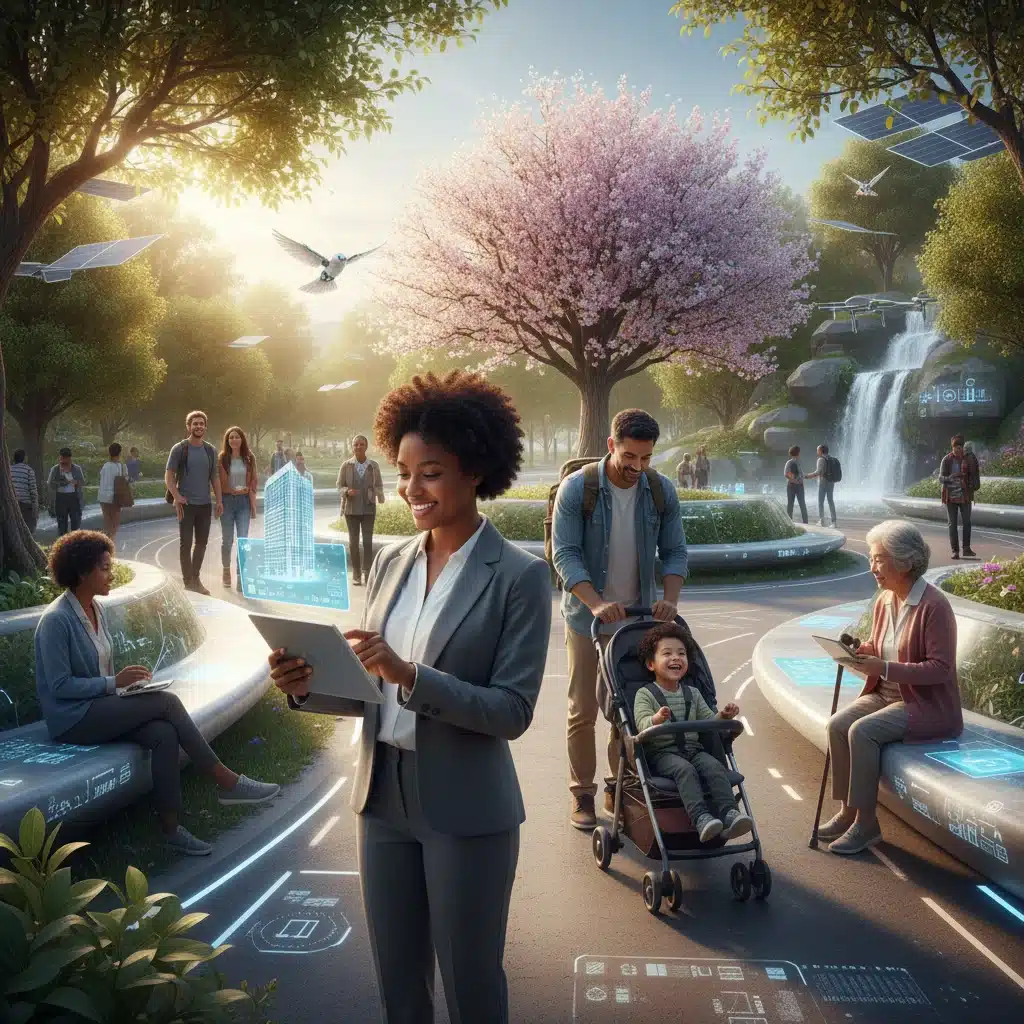
Digital Well-being in 2026: Practical Solutions for a Healthier Tech-Life Balance in America
The year is 2026, and our lives are more intertwined with technology than ever before. From smart homes anticipating our needs to AI-powered assistants managing our schedules, the digital realm has become an indispensable part of our daily existence. While these advancements offer unparalleled convenience and connectivity, they also present a growing challenge: maintaining our digital well-being solutions. In America, the quest for a healthier tech-life balance is no longer a niche concern but a mainstream imperative. This comprehensive guide explores practical solutions and forward-thinking strategies to navigate the digital landscape of 2026 without sacrificing our mental health, productivity, or real-world connections.
The pace of technological evolution shows no signs of slowing down. As we integrate more sophisticated devices and platforms into our lives, the lines between our online and offline selves blur. This constant connectivity, while offering numerous benefits, can lead to digital fatigue, information overload, and a reduced capacity for deep work and genuine human interaction. Recognizing these challenges, the focus on digital well-being solutions has intensified, prompting individuals, communities, and even tech companies to seek equilibrium.
This article delves into the core aspects of digital well-being in 2026, offering actionable insights and innovative approaches. We’ll explore how to reclaim control over our digital habits, foster mindful technology use, and leverage new tools designed to support our mental and emotional health. Our aim is to empower you with the knowledge and strategies needed to thrive in an increasingly digital world, ensuring technology serves as an enabler of a richer life, rather than a detractor.
Understanding Digital Well-being in 2026: More Than Just Screen Time
In 2026, the concept of digital well-being solutions has matured beyond simply reducing screen time. It encompasses a holistic approach to how we interact with technology, recognizing its profound impact on our cognitive functions, emotional states, social relationships, and even physical health. It’s about cultivating intentionality, setting boundaries, and leveraging technology in ways that align with our values and goals, rather than allowing it to dictate our lives.
The Evolving Landscape of Digital Challenges
The challenges to digital well-being in 2026 are multifaceted:
- Persistent Notifications and Cognitive Overload: Our devices are more adept than ever at capturing our attention, leading to constant interruptions and a fragmented focus. The sheer volume of information and notifications can overwhelm our cognitive capacity, making it difficult to concentrate on a single task or engage in deep thought.
- Algorithmic Traps and Addiction: Social media platforms and entertainment apps are designed with sophisticated algorithms to maximize engagement, often leading to addictive consumption patterns. These algorithms can create echo chambers, reinforce biases, and contribute to feelings of inadequacy or anxiety.
- The Blurring of Work and Personal Life: Remote work and hyper-connectivity have made it increasingly difficult to disconnect from professional responsibilities. The expectation of being constantly available can lead to burnout and stress, eroding the boundaries between our personal and professional selves.
- Impact on Sleep and Physical Health: Exposure to blue light from screens, coupled with the mental stimulation of digital content, can disrupt sleep patterns. Sedentary behavior associated with excessive screen time also contributes to physical health issues.
- Erosion of Real-World Connections: While technology facilitates virtual connections, an over-reliance on digital interactions can sometimes come at the expense of meaningful face-to-face relationships, leading to feelings of loneliness or isolation.
Understanding these challenges is the first step toward implementing effective digital well-being solutions. It requires a conscious effort to evaluate our relationship with technology and identify areas where adjustments are needed to reclaim a sense of control and balance.
Proactive Digital Well-being Solutions for Individuals
Achieving a healthier tech-life balance in 2026 starts with individual actions. These proactive digital well-being solutions are designed to empower you to take charge of your digital habits and cultivate a more mindful approach to technology.
1. Digital Audits and Awareness
The first step is to understand your current digital behavior. Many devices and apps now offer built-in tools for tracking screen time, app usage, and notification frequency. Regularly reviewing these metrics can provide valuable insights into your habits.
- Utilize Native Screen Time Features: Apple’s Screen Time, Google’s Digital Wellbeing, and similar features on other operating systems provide detailed reports on your usage. Analyze which apps consume most of your time and attention.
- Journaling Digital Habits: For a more qualitative approach, keep a journal of your digital interactions. Note down your emotional state before, during, and after using certain apps or engaging in specific online activities. This can help identify triggers and patterns.
- Identify Your Digital ‘Why’: Ask yourself why you’re reaching for your device. Is it out of boredom, habit, a genuine need for information, or to avoid something else? Understanding your motivations can help you make more intentional choices.
2. Strategic Notification Management
Notifications are one of the biggest culprits of digital distraction. In 2026, advanced notification management is a cornerstone of effective digital well-being solutions.
- Aggressive Notification Pruning: Go through every app on your device and disable notifications for anything that isn’t absolutely essential. Consider grouping less urgent notifications into a daily summary.
- Utilize Focus Modes and Do Not Disturb: Modern operating systems offer sophisticated focus modes that allow you to customize which notifications come through during specific times or activities. Create modes for work, relaxation, and sleep.
- Batching Notifications: Instead of receiving notifications instantly, set specific times during the day to check emails, messages, and social media. This allows for dedicated focus periods without constant interruptions.
3. Creating Digital-Free Zones and Times
Establishing clear boundaries between your digital and physical worlds is crucial for mental restoration and fostering real-world connections. These are essential digital well-being solutions for modern life.
- Designated Digital-Free Spaces: Make your bedroom, dining table, and perhaps even certain rooms in your home, digital-free zones. This encourages mindful eating, better sleep, and more present conversations.
- Scheduled Digital Detox Periods: Implement daily, weekly, or even monthly periods where you intentionally disconnect from all non-essential devices. This could be an hour before bed, a technology-free weekend, or a longer vacation.
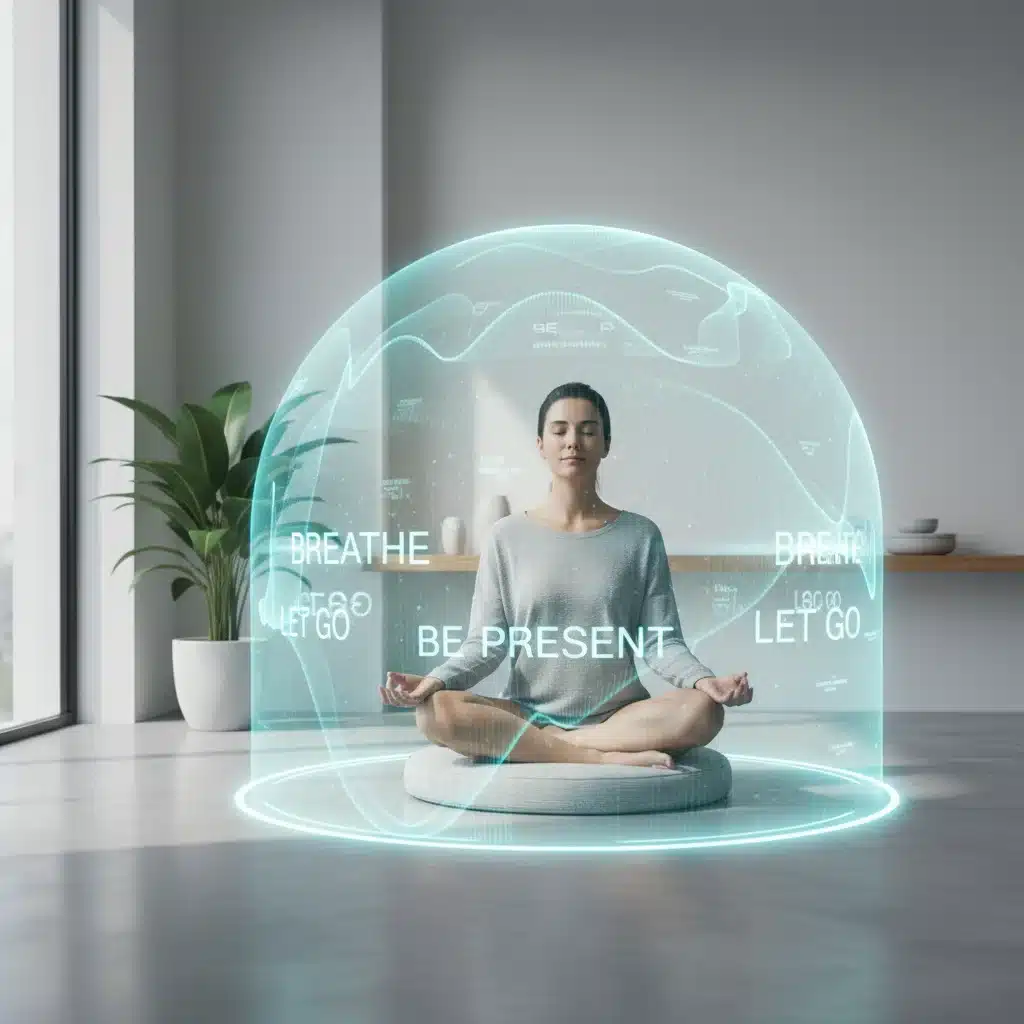
- Analog Alternatives: Reintroduce analog activities into your routine. Read physical books, engage in hobbies that don’t require screens, spend time in nature, or practice mindfulness and meditation.
4. Mindful Content Consumption
It’s not just about how much time we spend online, but what we consume. Mindful content consumption is a vital component of digital well-being solutions.
- Curate Your Feeds: Unfollow accounts that trigger negative emotions, spread misinformation, or don’t align with your interests. Seek out content that is uplifting, informative, and inspiring.
- Question the Source: With the rise of AI-generated content and deepfakes, critically evaluating information sources is more important than ever. Prioritize reputable news organizations and fact-check information.
- Engage Actively, Not Passively: Instead of endless scrolling, try to engage actively with content. Comment thoughtfully, share meaningful articles, or participate in constructive online discussions.
Leveraging Technology for Enhanced Digital Well-being
Paradoxically, technology itself can offer powerful digital well-being solutions. In 2026, a new generation of apps and devices is emerging, designed to help us manage our digital habits and foster a healthier relationship with our screens.
1. AI-Powered Digital Coaches and Companions
Beyond simple screen time trackers, AI is now being integrated into personalized digital well-being coaches. These intelligent assistants learn your habits, identify patterns, and offer tailored recommendations.
- Personalized Habit Formation: AI coaches can suggest optimal times for digital breaks, recommend specific mindfulness exercises based on your stress levels, or even gamify the process of reducing screen time.
- Contextual Reminders: Imagine an AI companion that gently reminds you to put down your phone when it detects you’ve been scrolling for an extended period, or suggests a walk if you’ve been sedentary for too long while working.
- Proactive Disconnection: Some advanced systems can even learn to anticipate when you’re likely to get drawn into unproductive digital loops and offer proactive interventions, such as temporarily disabling distracting apps.
2. Smart Devices for Mindful Living
Wearable technology and smart home devices are evolving to support digital well-being solutions in innovative ways.
- Wearables with Biofeedback: Smartwatches and rings can now monitor stress levels, heart rate variability, and sleep quality with greater accuracy. They can provide real-time biofeedback and suggest interventions like guided breathing exercises when stress is detected.
- Ambient Technology for Focus: Smart lighting systems can adjust to promote focus during work or relaxation in the evenings. Ambient soundscapes can mask distractions and create a more conducive environment for concentration.
- Digital Detox Devices: Dedicated devices are emerging that offer simplified communication or entertainment, designed to minimize distractions. These might include e-readers with no internet access or ‘dumb phones’ for specific periods.
3. Browser Extensions and Apps for Focus
For those who rely on computers for work or study, browser extensions and desktop applications offer crucial digital well-being solutions.
- Website Blockers and Productivity Timers: Tools like Freedom, Cold Turkey, or Forest allow you to block distracting websites and apps for set periods, or use the Pomodoro Technique to structure your work and breaks.
- Mindful Browsing Tools: Extensions that blur social media feeds, hide comment sections, or provide gentle nudges to take breaks can help reduce the addictive pull of online platforms.
- Digital Decluttering Software: Applications that help organize your digital files, manage your inbox, and streamline your digital workspace contribute to a less cluttered and more focused digital environment.
Organizational and Community-Level Digital Well-being Solutions
While individual efforts are vital, fostering widespread digital well-being requires support from organizations, communities, and tech companies themselves. These broader digital well-being solutions create an ecosystem that promotes healthier tech habits.
1. Corporate Well-being Programs
Forward-thinking companies in 2026 are recognizing the impact of digital fatigue on employee productivity and mental health. They are implementing programs to support their workforce’s digital well-being.
- Digital Literacy and Training: Workshops and resources that educate employees on mindful tech use, effective communication strategies, and the dangers of digital overload.
- Flexible Work Policies: Encouraging clear boundaries between work and personal life, such as ‘right to disconnect’ policies, flexible working hours, and designated non-response times for emails.
- Tech-Free Zones in Workplaces: Creating physical spaces in offices where devices are discouraged, promoting face-to-face collaboration and mental breaks.
- Well-being Apps and Subscriptions: Providing employees with access to meditation apps, digital detox tools, or counseling services focused on tech addiction.
2. Educational Initiatives for Future Generations
Teaching digital literacy and well-being from a young age is paramount. Educational institutions are integrating digital well-being solutions into their curricula.
- Curriculum on Responsible Tech Use: Schools are developing programs that educate children and adolescents on critical thinking about online content, managing screen time, cyberbullying prevention, and the importance of offline activities.
- Parental Guidance and Resources: Providing parents with tools and knowledge to guide their children’s technology use, set boundaries, and model healthy digital habits.
- Promoting Digital Citizenship: Fostering a sense of responsibility and ethical behavior in online interactions, emphasizing empathy and respect in digital spaces.

3. Tech Company Responsibility and Ethical Design
A significant shift in 2026 is the increasing pressure on tech companies to prioritize user well-being in their product design. This involves implementing digital well-being solutions at the foundational level.
- Transparency in Algorithms: Providing users with more insight into how algorithms curate their feeds and offering options to customize their experience.
- Opt-in Distraction Controls: Making features like ‘dark mode,’ ‘grayscale,’ or ‘focus mode’ more prominent and easier to activate by default, rather than hidden settings.
- Reducing Addictive Design Elements: Rethinking features that encourage endless scrolling, ‘streaks,’ or constant notifications, and instead focusing on designs that promote intentional use and easy disconnection.
- Investing in Digital Well-being Research: Funding independent research into the psychological and social impacts of their products and using these insights to inform ethical design choices.
- Interoperability and Data Portability: Allowing users greater control over their data and enabling easier migration between platforms, reducing vendor lock-in and fostering healthier competition.
Future Trends in Digital Well-being Solutions
As we look further into the future, several emerging trends promise to reshape the landscape of digital well-being solutions, offering even more sophisticated ways to balance our tech lives.
1. Neurotechnology and Brain-Computer Interfaces (BCIs) for Focus
While still in early stages for consumer use, neurotechnology holds immense potential. Imagine devices that can monitor your brain activity and signal when you’re losing focus, or even gently guide you back to a state of concentration.
- Real-time Focus Feedback: BCIs could provide instant feedback on your mental state, helping you understand what truly aids or hinders your concentration.
- Personalized Cognitive Training: Tailored exercises and interventions delivered directly to the brain, designed to improve attention span and reduce susceptibility to digital distractions.
2. AI-Driven Ethical Design Automation
As AI becomes more sophisticated, it could play a role in developing ethical design principles directly into software from the ground up.
- Automated Ethical Audits: AI tools that can analyze app designs and identify potentially addictive or manipulative features, suggesting alternatives that prioritize user well-being.
- Proactive Well-being Features: AI could automatically implement features like ‘cool-down periods’ after intense gaming sessions or suggest breaks during prolonged work, based on learned user patterns.
3. Immersive Digital Detox Environments
The concept of a ‘digital detox’ might evolve into fully immersive, tech-enabled experiences designed to promote disconnection.
- VR/AR for Mindful Escapism: While seemingly contradictory, VR/AR could create highly immersive, low-distraction environments (e.g., virtual nature walks, meditation spaces) that offer mental breaks without the usual pitfalls of open-ended digital content.
- Smart Sanctuaries: Physical spaces equipped with ambient technology designed to block external digital noise and encourage deep relaxation and introspection.
4. Decentralized Digital Identity and Data Sovereignty
Giving individuals more control over their digital identity and data could fundamentally shift the power dynamics with tech platforms, reducing the incentive for manipulative design.
- User-Centric Data Management: Technologies that allow individuals to fully own and control their personal data, deciding what information is shared and with whom.
- Privacy-Preserving Technologies: Widespread adoption of privacy-enhancing technologies that reduce tracking and targeted advertising, lessening the constant pull of personalized content feeds.
Conclusion: Embracing a Balanced Digital Future
The journey towards optimal digital well-being solutions in 2026 is an ongoing one, requiring continuous effort and adaptation. It’s not about rejecting technology, but about consciously integrating it into our lives in a way that enhances, rather than detracts from, our overall well-being. The practical solutions outlined in this article, from individual habit adjustments to organizational policies and emerging technologies, offer a roadmap for achieving a healthier tech-life balance in America.
By understanding the challenges, embracing proactive strategies, leveraging technology for good, and advocating for ethical design, we can collectively shape a digital future that prioritizes human flourishing. The responsibility lies with all of us – individuals, educators, employers, and tech innovators – to champion these digital well-being solutions and ensure that our relationship with technology remains one of empowerment, connection, and genuine progress. Let us step into 2026 with intention, mindful of our digital footprint, and committed to cultivating a life rich in both technological advancement and human connection.