Gen Z’s Influence: Shaping Tech Workplace Culture by 2025

By 2025, Gen Z will constitute 70% of new tech hires, profoundly influencing workplace culture with their unique demands for flexibility, ethical practices, and purpose-driven work, fundamentally reshaping industry norms.
As the digital landscape evolves at an unprecedented pace, a new generation is stepping into the forefront, poised to redefine the very fabric of professional environments. By early 2025, it’s projected that Gen Z tech workforce will comprise 70% of new hires in the technology sector, bringing with them a distinct set of values, expectations, and work philosophies that are fundamentally reshaping workplace culture.
Understanding Gen Z’s unique workplace DNA
Gen Z, born roughly between the mid-1990s and the early 2010s, are digital natives who have grown up in a world of constant connectivity, rapid technological advancements, and significant global challenges. This upbringing has profoundly shaped their approach to work, making them a force for change within the tech industry.
Their inherent familiarity with technology means they expect seamless digital tools and processes, often questioning outdated systems. Beyond digital fluency, Gen Z prioritizes authenticity, social responsibility, and personal well-being, driving companies to re-evaluate their core values and operational models.
digital fluency and innovation expectations
For Gen Z, technology isn’t just a tool; it’s an extension of their daily lives. They are adept at navigating complex digital platforms and expect their workplaces to reflect this level of sophistication. This generation is not merely consumers of technology but often creators, seeking environments that foster continuous learning and innovation.
- Seamless integration: Expect modern, intuitive software and hardware that streamlines tasks.
- Data-driven decisions: Value insights derived from data to inform strategies and optimize performance.
- Continuous learning: Seek opportunities for upskilling and professional development through digital platforms.
purpose-driven work and ethical considerations
Unlike previous generations, Gen Z is less motivated by solely financial incentives. They seek purpose in their work and want to contribute to something meaningful. This translates into a demand for employers to demonstrate strong ethical stances, social responsibility, and a clear mission beyond profit margins.
Companies that align with their values on environmental sustainability, diversity, equity, and inclusion (DEI) will be more successful in attracting and retaining top Gen Z talent. They are quick to call out performative actions and expect genuine commitment to these principles.
In conclusion, Gen Z’s unique blend of digital savviness, desire for purpose, and ethical consciousness is setting a new standard for what constitutes an attractive and sustainable workplace in the tech sector. Their influence is not just about adapting to new tools but embracing a fundamentally different ethos.
The demand for flexibility and work-life integration
One of the most significant shifts driven by the Gen Z tech workforce is the unwavering demand for flexibility. Having witnessed the rise of remote work and the blurring lines between personal and professional life, this generation prioritizes work-life integration over traditional rigid schedules. They view flexibility not as a perk, but as a fundamental right.
This preference extends beyond just remote options, encompassing flexible hours, compressed workweeks, and a focus on output rather than presenteeism. Companies that fail to adapt will struggle to compete for the best talent in a rapidly evolving market.
hybrid work models as the new norm
The pandemic accelerated the adoption of hybrid work, but Gen Z is solidifying it as the default. They appreciate the autonomy and reduced commute times offered by remote work, coupled with the social connection and collaborative benefits of in-office days. A one-size-fits-all approach to work location is no longer viable.
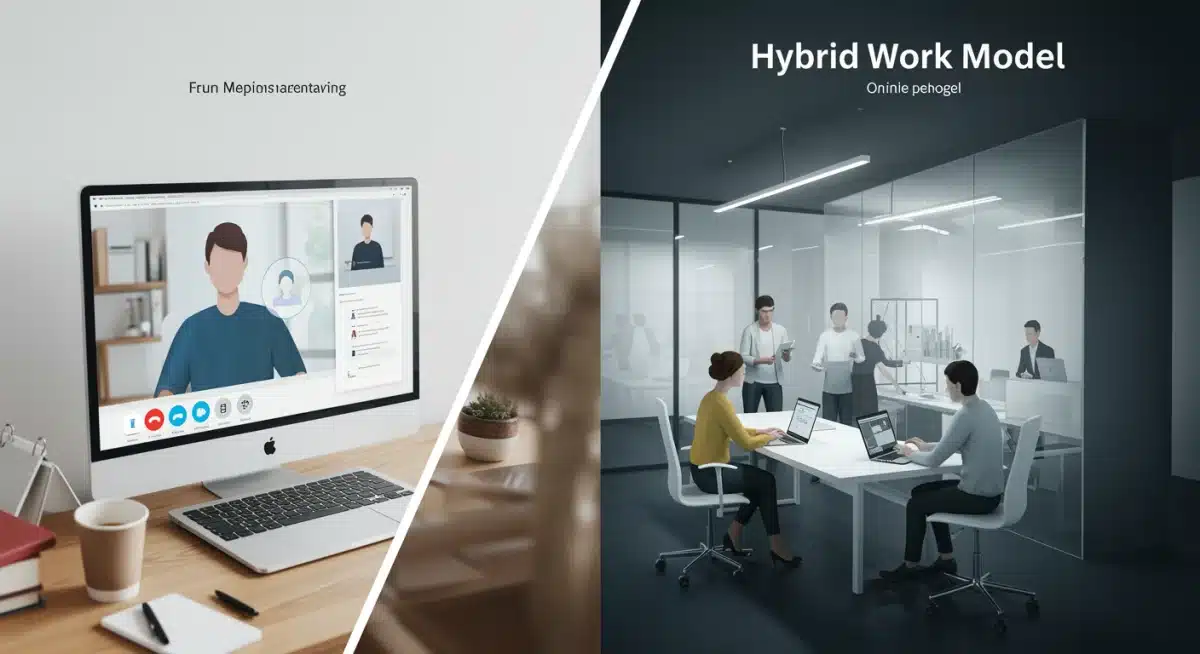
Successful hybrid models require clear communication, equitable access to resources for both remote and in-office employees, and a culture that trusts employees to manage their time effectively. This shift necessitates investment in robust communication tools and virtual collaboration platforms.
prioritizing well-being and mental health support
Gen Z is acutely aware of the importance of mental health and well-being. They are more open about discussing these topics and expect their employers to provide comprehensive support systems. This includes access to mental health resources, stress reduction programs, and a culture that destigmatizes seeking help.
- Mental health days: Recognizing the need for time off specifically for mental rejuvenation.
- Wellness programs: Offering initiatives focused on physical and mental health.
- Supportive leadership: Leaders who are empathetic and trained to identify and address well-being concerns.
The emphasis on flexibility and well-being is not just a trend but a core expectation that will define successful workplaces for the Gen Z tech workforce. Organizations must move beyond superficial offerings and embed these principles into their foundational culture to thrive.
Reimagining leadership and management styles
The influx of Gen Z into the tech sector is prompting a critical re-evaluation of traditional leadership and management paradigms. This generation thrives in environments characterized by transparency, mentorship, and a collaborative spirit, moving away from hierarchical structures and command-and-control approaches. Leaders who can adapt to these expectations will foster more engaged and productive teams.
They seek managers who act as coaches and mentors, providing regular feedback and opportunities for growth, rather than simply issuing directives. This shift demands a more empathetic, inclusive, and communicative style of leadership.
transparent communication and authentic feedback
Gen Z values honesty and directness. They prefer open communication channels and expect transparency from their leaders regarding company performance, strategic decisions, and career paths. This fosters a sense of trust and belonging, which is crucial for their engagement.
Feedback, for Gen Z, is a continuous process, not just an annual review. They seek regular, constructive feedback that helps them learn and develop, delivered in a supportive and personalized manner. Managers must be adept at giving and receiving feedback effectively.
mentorship and growth opportunities
This generation is highly ambitious and eager to learn. They view their careers as a journey of continuous development and actively seek out mentorship opportunities. Companies that invest in robust mentorship programs and clear career advancement paths will gain a significant competitive edge.
- Structured mentorship: Pairing new hires with experienced professionals for guidance.
- Skill development: Providing access to courses, workshops, and certifications.
- Career mapping: Clearly outlining potential growth trajectories within the organization.
Ultimately, leading the Gen Z tech workforce requires a fundamental shift towards more human-centric management. It’s about empowering individuals, fostering their growth, and building a culture of trust and open dialogue.
Diversity, equity, and inclusion as core tenets
For Gen Z, diversity, equity, and inclusion (DEI) are non-negotiable. They have grown up in an increasingly diverse world and expect their workplaces to reflect this reality. They are highly attuned to social justice issues and will actively seek out employers who demonstrate a genuine commitment to creating inclusive environments where everyone feels valued and has equal opportunities.
This goes beyond mere representation; it’s about fostering a culture where different perspectives are celebrated, and systemic biases are actively dismantled. Organizations that pay lip service to DEI without authentic action will quickly lose credibility with this generation.
beyond representation: fostering belonging
While diverse representation is a crucial first step, Gen Z emphasizes the importance of true belonging. This means creating an environment where individuals from all backgrounds feel psychologically safe, can bring their authentic selves to work, and have their voices heard. It requires proactive efforts to address unconscious bias and promote equitable practices.
Companies must invest in DEI training, implement inclusive hiring practices, and establish clear pathways for underrepresented groups to advance. This commitment should be visible in leadership and throughout all levels of the organization.
social responsibility and corporate values
Gen Z expects their employers to be good corporate citizens. They are interested in how companies impact society and the environment, and they prefer to work for organizations that demonstrate a strong sense of social responsibility. This includes ethical supply chains, sustainable practices, and community engagement initiatives.
- Ethical sourcing: Ensuring all business operations adhere to high ethical standards.
- Environmental stewardship: Implementing sustainable practices to reduce carbon footprint.
- Community engagement: Supporting local communities through volunteerism and partnerships.
In essence, DEI is not a separate initiative but an integral part of how Gen Z views a desirable workplace. Companies must embed these values into their core operations and culture to attract and retain the best talent this generation has to offer.
The impact on innovation and technological adoption
The arrival of Gen Z in the tech workforce is not just altering cultural norms; it’s also profoundly impacting the pace and direction of innovation and technological adoption. As digital natives, they possess an intuitive understanding of emerging technologies and are often early adopters, pushing companies to embrace new tools and methodologies more rapidly.
Their comfort with experimentation and failure, coupled with a collaborative mindset, fosters an environment ripe for groundbreaking solutions. They are less bound by traditional constraints, often seeing possibilities where others see obstacles.
driving adoption of emerging technologies
Gen Z’s familiarity with AI, machine learning, blockchain, and other cutting-edge technologies means they are often the first to integrate these tools into their workflows. They challenge the status quo, advocating for solutions that enhance efficiency, automate repetitive tasks, and drive innovation.
This generation will be instrumental in identifying practical applications for complex technologies, translating theoretical advancements into tangible business value. Their willingness to experiment and provide feedback accelerates the adoption cycle within organizations.
fostering a culture of continuous experimentation
Gen Z thrives in environments where experimentation is encouraged, and failure is viewed as a learning opportunity. This mindset is critical for innovation, as it allows for rapid prototyping, iteration, and discovery. They are not afraid to challenge existing processes if it leads to a better outcome.
- Agile methodologies: Embracing iterative development and flexible project management.
- Prototyping: Quickly building and testing new ideas to gather feedback.
- Learning from failure: Viewing setbacks as opportunities for improvement rather than deterrents.
The Gen Z tech workforce acts as a catalyst for innovation, driving companies to not only adopt new technologies but also to cultivate a culture of continuous learning, adaptation, and bold experimentation, ultimately shaping the future of the industry.
Preparing for the 2025 shift: strategic imperatives for tech companies
With 70% of new tech hires projected to be Gen Z by early 2025, organizations must proactively prepare for this demographic shift. This isn’t just about making cosmetic changes; it requires a fundamental re-evaluation of recruitment strategies, workplace policies, and corporate culture. Those who adapt swiftly will gain a significant competitive advantage in attracting and retaining top talent.
Strategic imperatives involve creating inclusive environments, offering meaningful work, and embracing technological fluency while prioritizing employee well-being. Failure to do so risks alienating a critical segment of the future workforce.
revising recruitment and onboarding processes
To attract Gen Z, recruitment processes must be modern, transparent, and aligned with their values. This means leveraging digital platforms, showcasing company culture authentically, and emphasizing opportunities for growth and impact. Onboarding should be comprehensive, providing clear pathways for integration and development.
Companies should highlight their DEI initiatives, sustainability efforts, and commitment to work-life balance in their employer branding. The interview process itself should be engaging, offering a glimpse into the collaborative and purpose-driven environment they seek.
investing in leadership development and cultural transformation
Existing leadership needs to be equipped to manage and mentor the Gen Z tech workforce effectively. This involves training in empathetic leadership, fostering psychological safety, and promoting a coaching mindset. Cultural transformation is essential to ensure that the entire organization embraces the values that Gen Z holds dear.
- Empathy training: Developing leaders’ abilities to understand and respond to employee needs.
- Inclusive leadership: Promoting practices that ensure all voices are heard and valued.
- Change management: Guiding the organization through necessary shifts in policies and culture.
In summary, preparing for the Gen Z influx is a strategic imperative that demands a holistic approach. It’s about building a future-ready workplace that aligns with the values and expectations of the next generation of tech innovators.
| Key Impact Area | Gen Z’s Influence |
|---|---|
| Work-Life Balance | Drives demand for flexible hours, remote options, and focus on well-being. |
| Ethical Standards | Prioritizes purpose-driven work and corporate social responsibility. |
| Leadership Style | Favors transparent, mentorship-focused, and collaborative management. |
| Innovation & Tech | Accelerates adoption of new tech and fosters a culture of experimentation. |
Frequently asked questions about Gen Z’s impact on tech workplaces
Gen Z tech workers are characterized by their digital native fluency, strong desire for purpose-driven work, emphasis on work-life balance, and expectations for transparent and empathetic leadership. They prioritize ethical companies and value continuous learning and development opportunities.
Gen Z is largely responsible for solidifying hybrid and remote work models as standard. They expect flexible hours and locations, valuing autonomy and work-life integration. Companies are adapting by offering more adaptable schedules and investing in remote collaboration tools to meet these demands.
Gen Z has grown up in a diverse world and expects their workplaces to reflect this. They seek genuine commitment to DEI, not just representation, wanting to feel a sense of belonging and see systemic biases addressed. Ethical corporate behavior is a core expectation.
Gen Z prefers leaders who act as mentors and coaches, offering transparent communication and continuous feedback. They thrive under empathetic, inclusive leadership that fosters collaboration and provides clear opportunities for professional growth and skill development.
Tech companies should revise recruitment to highlight purpose and flexibility, invest in leadership development for empathetic management, and embed DEI into their core culture. Prioritizing well-being and offering continuous learning opportunities will also be crucial for attracting and retaining Gen Z talent.
Conclusion
The impending majority of the Gen Z tech workforce by early 2025 signifies more than just a demographic shift; it represents a fundamental recalibration of workplace values and expectations. This generation, armed with digital fluency and a strong ethical compass, is compelling the tech industry to embrace flexibility, prioritize well-being, foster inclusive cultures, and reimagine leadership. Organizations that proactively adapt to these profound influences will not only attract and retain top talent but also cultivate more innovative, resilient, and purpose-driven environments for the future.