IoT in Manufacturing: 10% Cost Reduction by Mid-2026

The landscape of US manufacturing is undergoing a profound transformation, driven by the relentless march of technological innovation. At the heart of this revolution lies the Internet of Things (IoT), a network of interconnected devices, sensors, and software that are fundamentally reshaping how factories operate. The financial implications of this shift are staggering, with industry leaders and analysts alike pointing towards significant operational cost reductions. Specifically, a target of 10% operational cost reduction by mid-2026 through the strategic implementation of smart devices is not merely aspirational but increasingly achievable. This comprehensive guide will delve into the mechanisms through which IoT in manufacturing can deliver such substantial savings, providing a roadmap for businesses looking to embrace this powerful paradigm.
The Financial Impact of IoT: Reducing Operational Costs by 10% in US Manufacturing Through Smart Devices by Mid-2026
In an increasingly competitive global market, US manufacturing firms are constantly seeking innovative ways to enhance efficiency, optimize resource utilization, and ultimately, bolster their bottom line. The advent of Industry 4.0, characterized by automation, data exchange, and smart technologies, has presented a unique opportunity to achieve these goals. Among these technologies, the Internet of Things stands out as a primary catalyst for profound financial impact, particularly in the realm of operational cost reduction. This article explores the transformative potential of IoT in manufacturing, detailing how strategic deployment of smart devices can lead to a remarkable 10% decrease in operational expenses by mid-2026.
Understanding the Core of IoT in Manufacturing
At its essence, IoT in manufacturing involves embedding sensors, software, and other technologies into physical objects—machines, equipment, production lines, and even products themselves—to connect and exchange data over the internet. This creates a vast network of interconnected ‘things’ that can collect, transmit, and analyze data in real-time. The insights derived from this data empower manufacturers to make informed decisions, automate processes, and proactively address potential issues before they escalate into costly problems. The ability to monitor and control operations remotely, coupled with advanced analytics, forms the bedrock of IoT manufacturing costs reduction.
The Pillars of IoT-Driven Cost Reduction
Achieving a 10% reduction in operational costs is not a monolithic endeavor; rather, it is the cumulative effect of improvements across several key areas, each significantly influenced by IoT technologies. These pillars include:
- Predictive Maintenance: Moving beyond reactive or time-based maintenance to a data-driven approach.
- Energy Management: Optimizing energy consumption across the entire manufacturing facility.
- Asset Tracking and Utilization: Gaining real-time visibility into the location and performance of assets.
- Quality Control and Waste Reduction: Minimizing defects and material waste through continuous monitoring.
- Supply Chain Optimization: Enhancing the efficiency and transparency of logistics and inventory.
- Workforce Productivity and Safety: Empowering workers with data and ensuring a safer working environment.
Predictive Maintenance: A Game Changer for IoT Manufacturing Costs
Traditionally, maintenance strategies have fallen into two categories: reactive (fixing equipment after it breaks down) and preventive (performing maintenance at scheduled intervals). Both approaches have inherent inefficiencies. Reactive maintenance leads to costly downtime, emergency repairs, and potential production losses. Preventive maintenance, while better, can result in unnecessary maintenance activities on equipment that is still functioning optimally, or, conversely, may fail to prevent unexpected breakdowns between scheduled checks.
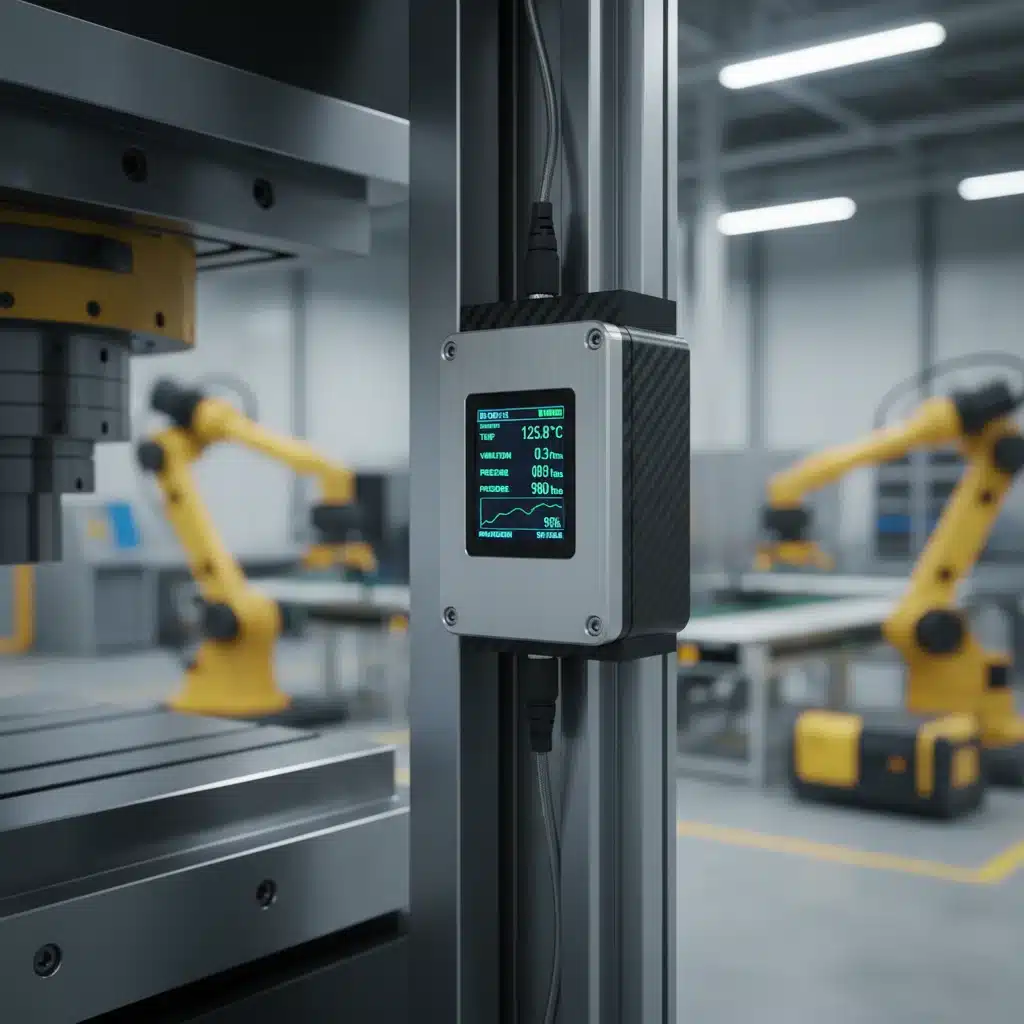
IoT-enabled predictive maintenance revolutionizes this by using sensors to collect real-time data on machine performance, such as vibration, temperature, pressure, and acoustic signatures. This data is then analyzed using advanced algorithms and machine learning to predict when a piece of equipment is likely to fail. Manufacturers can then schedule maintenance precisely when it’s needed, just before a failure occurs, preventing costly downtime and maximizing equipment lifespan. This proactive approach directly impacts IoT manufacturing costs by reducing repair expenses, extending asset life, and ensuring continuous production.
Case Study: Automotive Manufacturer
Consider a large automotive manufacturing plant. Before IoT implementation, unexpected breakdowns of critical machinery could halt production lines for hours, costing hundreds of thousands of dollars per incident. By deploying IoT sensors on key components like robotic arms, conveyor belts, and stamping presses, the plant gained the ability to monitor machine health continuously. Machine learning models, trained on historical data, could predict potential failures with high accuracy, often days or even weeks in advance. This allowed maintenance teams to schedule repairs during planned downtime or off-peak hours, using only the necessary parts and personnel. The result? A significant reduction in unplanned downtime by 25% within the first year, directly contributing to a noticeable decrease in overall operational costs.
Optimizing Energy Management with Smart Devices
Energy consumption represents a substantial portion of operational costs for many manufacturing facilities. From powering heavy machinery to lighting and climate control, the energy footprint can be immense. IoT offers powerful tools to monitor, analyze, and optimize energy usage across the entire plant, leading to considerable savings.
Smart meters and sensors can track energy consumption at granular levels, from the main power grid connection down to individual machines or even specific processes. This real-time data allows manufacturers to identify energy hogs, detect inefficiencies, and pinpoint opportunities for optimization. For instance, an IoT system might identify that certain machines consume excessive power during idle periods, prompting automated shutdowns or more efficient standby modes. Similarly, intelligent lighting systems can adjust illumination based on occupancy and natural light levels, while smart HVAC systems can optimize temperature control based on production schedules and ambient conditions.
By providing actionable insights into energy usage patterns, IoT empowers manufacturers to implement targeted energy-saving measures, thereby reducing their utility bills and contributing significantly to the 10% operational cost reduction goal. This focus on energy efficiency is a direct contributor to lowering IoT manufacturing costs.
Enhanced Asset Tracking and Utilization
In large manufacturing environments, tracking the location and status of tools, equipment, raw materials, and finished goods can be a complex and time-consuming task. Misplaced assets lead to wasted time, delays in production, and sometimes, the unnecessary purchase of new equipment. IoT solutions provide real-time visibility into the entire asset lifecycle.
RFID tags, GPS trackers, and other IoT sensors can be attached to assets, allowing manufacturers to monitor their location, usage patterns, and even environmental conditions. This not only streamlines inventory management and reduces search times but also provides valuable data on asset utilization. For example, if a particular machine is consistently underutilized, management can reallocate resources or adjust production schedules to maximize its efficiency. Conversely, if an asset is being overused, preventative measures can be taken to extend its lifespan. By ensuring assets are used optimally and efficiently, manufacturers can avoid unnecessary capital expenditures and improve overall productivity, directly impacting IoT manufacturing costs.
Improving Quality Control and Reducing Waste
Defects, rework, and material waste are major contributors to operational costs in manufacturing. Traditional quality control often relies on periodic inspections or post-production checks, meaning defects might not be caught until significant resources have already been expended. IoT offers a paradigm shift by enabling continuous, real-time quality monitoring throughout the production process.
Sensors can monitor various parameters critical to product quality, such as temperature, pressure, humidity, vibration, and even visual characteristics using computer vision. If any parameter deviates from the optimal range, the IoT system can immediately alert operators, or even automatically adjust machine settings to prevent defects. This proactive approach significantly reduces the incidence of faulty products, minimizing rework, scrap, and warranty claims. The reduction in waste—both in terms of materials and labor—directly translates into substantial cost savings, moving manufacturers closer to their 10% reduction target in IoT manufacturing costs.
Example: Food Processing Plant
A food processing plant implemented IoT sensors to monitor the temperature and humidity in critical storage areas and during various processing stages. Previously, spoilage due to temperature fluctuations was a recurring issue. With IoT, real-time alerts were triggered if conditions deviated, allowing immediate corrective action. This led to a 15% reduction in spoilage and associated waste, demonstrating the direct financial benefits of IoT in maintaining product quality and reducing operational losses.
Streamlining Supply Chain and Logistics
The supply chain is a complex web of interconnected processes, and inefficiencies at any point can ripple through, leading to delays, increased costs, and frustrated customers. IoT offers unprecedented transparency and control over the entire supply chain, from raw material sourcing to final product delivery.
IoT devices can track the movement of goods in real-time, monitor environmental conditions during transit (e.g., temperature for perishable goods), and provide accurate estimates of arrival times. This data enables better inventory management, reducing the need for excessive buffer stock and minimizing the risk of stockouts. Furthermore, by optimizing logistics routes and warehouse operations, manufacturers can reduce transportation costs, labor expenses, and storage overheads. The ability to anticipate and mitigate supply chain disruptions also prevents costly production delays. This holistic optimization of the supply chain through IoT contributes significantly to reducing overall IoT manufacturing costs.
Boosting Workforce Productivity and Safety
While often seen as a cost center, a well-supported and safe workforce is a critical asset. IoT can enhance both productivity and safety, indirectly leading to cost savings.
Wearable IoT devices can monitor worker health and safety in hazardous environments, detecting potential risks and issuing alerts. Augmented reality (AR) glasses, connected to IoT systems, can provide workers with real-time instructions and data overlays for assembly, maintenance, or quality checks, reducing errors and training times. Furthermore, by automating routine data collection and monitoring tasks, IoT frees up human workers to focus on more complex, value-added activities. This increase in efficiency and reduction in accidents directly lowers insurance costs, worker compensation claims, and productivity losses, playing a role in achieving the 10% reduction in IoT manufacturing costs.
Challenges and Considerations for Implementation
While the benefits of IoT in manufacturing are compelling, successful implementation requires careful planning and addressing several key challenges:
- Data Security and Privacy: Protecting sensitive operational data from cyber threats is paramount. Robust cybersecurity measures are essential.
- Interoperability: Ensuring that diverse IoT devices and systems can communicate and exchange data seamlessly.
- Data Overload and Analytics: Managing the sheer volume of data generated by IoT devices and extracting meaningful insights requires sophisticated analytics capabilities and skilled personnel.
- Integration with Legacy Systems: Many manufacturing plants operate with older equipment. Integrating IoT solutions with existing infrastructure can be complex.
- Initial Investment: The upfront costs of implementing IoT infrastructure, sensors, and software can be substantial, though the ROI is often significant.
- Skill Gap: A shortage of professionals with expertise in IoT, data science, and operational technology can hinder adoption.
Overcoming these challenges necessitates a strategic approach, often involving phased implementation, partnerships with technology providers, and investment in workforce training. The potential for reducing IoT manufacturing costs makes addressing these challenges a worthwhile endeavor.
Roadmap to Achieving 10% Cost Reduction by Mid-2026
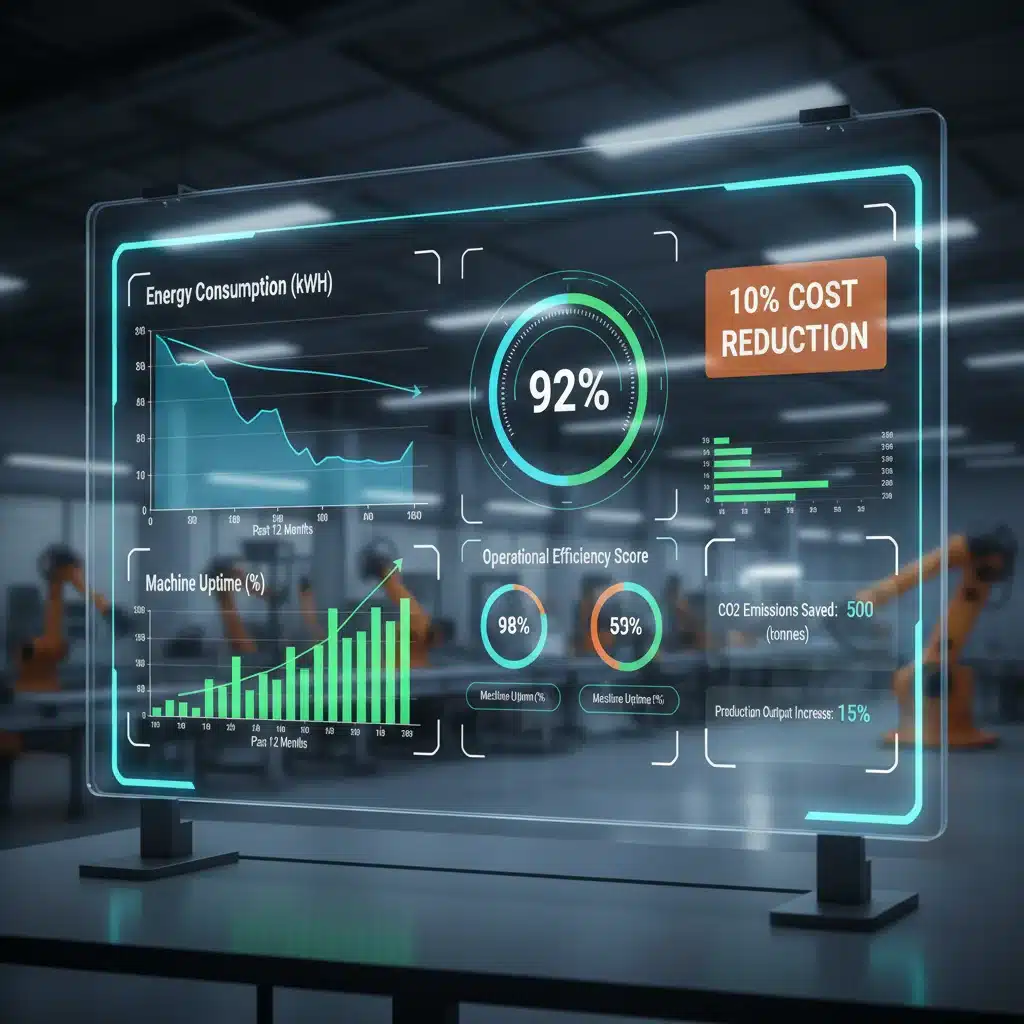
For US manufacturers aiming to achieve a 10% operational cost reduction through IoT by mid-2026, a structured roadmap is crucial:
- Assess Current Operations: Conduct a thorough audit of current operational costs, identifying key areas of expenditure and potential inefficiencies.
- Define Clear Objectives: Set specific, measurable, achievable, relevant, and time-bound (SMART) goals for IoT implementation, focusing on cost reduction targets for each operational area.
- Pilot Programs: Start with small-scale pilot projects in specific areas (e.g., predictive maintenance on a critical machine, energy monitoring in a single facility) to test technologies and demonstrate ROI.
- Choose the Right Technology Partners: Select IoT platforms, hardware, and software vendors that offer scalable, secure, and interoperable solutions.
- Data Infrastructure and Analytics: Invest in robust data storage, processing, and analytics capabilities. Develop or acquire the expertise to interpret IoT data effectively.
- Workforce Training and Upskilling: Train existing employees on new IoT technologies and data-driven decision-making. Consider hiring new talent with specialized skills.
- Phased Rollout and Scalability: Gradually expand IoT implementation across the entire operation, learning from each phase and ensuring scalability.
- Continuous Monitoring and Optimization: IoT is not a one-time deployment. Continuously monitor performance, refine strategies, and leverage new data insights for ongoing optimization and cost savings.
- Cybersecurity Integration: Embed cybersecurity best practices into every stage of IoT deployment to protect data and operational integrity.
By following this roadmap, manufacturers can systematically leverage IoT to drive down IoT manufacturing costs and achieve significant financial gains.
The Future of IoT in US Manufacturing
The journey towards a fully interconnected and intelligent manufacturing ecosystem is ongoing. As IoT technologies mature, they will become even more sophisticated, integrating with artificial intelligence (AI), machine learning (ML), and edge computing to create highly autonomous and optimized factories. The ability of these systems to learn, adapt, and make decisions independently will unlock further layers of efficiency and cost reduction.
Furthermore, the convergence of IoT with digital twins—virtual replicas of physical assets, processes, or systems—will allow manufacturers to simulate changes, test scenarios, and predict outcomes with unprecedented accuracy, minimizing risks and optimizing investments. This predictive capability is invaluable for managing and reducing IoT manufacturing costs.
The commitment to reducing operational costs by 10% by mid-2026 through smart devices in US manufacturing is not merely a financial target; it is a strategic imperative for maintaining global competitiveness, fostering innovation, and ensuring long-term sustainability. Manufacturers who embrace the power of IoT will not only realize significant financial benefits but also position themselves at the forefront of the next industrial era.
Conclusion
The integration of IoT into US manufacturing represents a pivotal moment for the industry. The promise of a 10% reduction in operational costs by mid-2026 is a compelling driver for adoption, underpinned by tangible benefits across predictive maintenance, energy management, asset utilization, quality control, supply chain optimization, and workforce productivity. While challenges exist, the strategic implementation of smart devices and data-driven insights provides a clear pathway to achieving these ambitious financial goals.
Manufacturers who proactively invest in and strategically deploy IoT solutions will not only enhance their efficiency and profitability but also build more resilient, agile, and competitive operations capable of thriving in the dynamic global economy. The future of manufacturing is smart, connected, and significantly more cost-effective, with IoT leading the charge in driving down IoT manufacturing costs.