Tech Culture and Mental Health: Support Systems and Tools in 2026
Anúncios
Tech Culture and Mental Health: An Analysis of Support Systems and Tools Available in 2026
Anúncios
The relentless pace of innovation, demanding deadlines, and the always-on nature of the digital world have long cast a shadow over the well-being of professionals in the tech industry. For years, the conversation around tech mental health has been growing, moving from a whispered concern to a front-and-center issue. As we navigate 2026, the landscape of support systems and tools available to combat stress, burnout, and other mental health challenges in tech has evolved significantly. This comprehensive analysis will delve into the current state of tech mental health, comparing and contrasting the effectiveness of various initiatives and technologies designed to foster a healthier, more sustainable work environment.
The tech sector, often characterized by its rapid growth and dynamic environments, has inadvertently created a culture where long hours, high pressure, and intense competition are often normalized. While this ethos can drive groundbreaking advancements, it has also contributed to a concerning rise in mental health issues among its workforce. Understanding these foundational challenges is crucial before we can fully appreciate the solutions emerging today. Our exploration will cover the historical context, the current challenges, and critically, the innovative solutions and support systems that are making a tangible difference in 2026, offering a beacon of hope for a more balanced future in tech.
Understanding the Unique Pressures of Tech Culture
The tech industry’s distinctive culture, while fostering innovation, also presents unique mental health challenges. The pursuit of rapid growth, often fueled by venture capital, instills a ‘move fast and break things’ mentality that can translate into immense pressure on employees. This often manifests as an expectation of constant availability, blurring the lines between work and personal life. The 24/7 global nature of many tech operations means that team members are often communicating across time zones, leading to fragmented work schedules and insufficient rest. This chronic lack of downtime is a significant contributor to burnout, a state of emotional, physical, and mental exhaustion caused by prolonged or excessive stress.
Anúncios
Furthermore, the competitive nature of the tech sector can create an environment of intense self-comparison and imposter syndrome. With brilliant minds constantly pushing boundaries, individuals may feel inadequate or fear falling behind, even when performing exceptionally well. The rapid obsolescence of skills and technologies also adds another layer of anxiety, requiring continuous learning and adaptation, which can be mentally draining. The pressure to always be ‘on’ and to innovate can stifle creativity and lead to a pervasive sense of anxiety, impacting productivity and overall job satisfaction. These factors collectively highlight why targeted interventions for tech mental health are not just beneficial, but absolutely essential for the industry’s long-term health and sustainability.
The Evolution of Mental Health Awareness in Tech
Just a few years ago, discussions around mental health in the workplace, particularly in tech, were often stigmatized or relegated to the periphery. However, the narrative has shifted dramatically. The COVID-19 pandemic, while a global crisis, inadvertently accelerated the recognition of mental well-being as a critical component of employee health and productivity. Companies were forced to adapt to remote work, which brought both flexibility and new challenges, further spotlighting the need for robust mental health support. This period marked a turning point, prompting many tech organizations to reconsider their approach to employee welfare.
In 2026, mental health awareness is not just a buzzword; it’s integrated into corporate strategies. Leading tech companies now openly discuss mental health, actively promoting resources and fostering environments where employees feel safe to seek help without fear of reprisal. This cultural shift is partly driven by a younger workforce that prioritizes well-being and demands more from their employers. Companies that ignore these demands risk losing top talent, making mental health initiatives a strategic imperative. The focus has moved beyond simply acknowledging the problem to actively implementing preventative measures and comprehensive support systems, signaling a maturation in how the industry approaches tech mental health.
Traditional Support Systems: A Foundation for Well-being
While innovative tools capture attention, traditional support systems remain the bedrock of any comprehensive mental health strategy. In 2026, these systems have been refined and expanded within the tech industry to better meet employee needs. Employee Assistance Programs (EAPs) are no longer just a checkbox item; they offer more accessible and diverse services, including a wider network of therapists and counselors, often with specialized expertise in tech-related stressors. Companies are also investing more heavily in in-house mental health professionals, such as dedicated counselors or wellness coaches, who can provide immediate support and guidance.
Beyond professional therapy, companies are fostering internal peer support networks. These groups, often employee-led, provide a safe space for colleagues to share experiences, offer empathy, and build a sense of community. Mentorship programs, both formal and informal, also play a crucial role, allowing experienced professionals to guide newer employees through career challenges and provide emotional support. Furthermore, HR departments are being trained not just in compliance, but in mental health first aid, enabling them to identify early signs of distress and direct employees to appropriate resources. These traditional systems, when robust and well-promoted, form an essential safety net, ensuring that every employee has access to foundational support for their tech mental health.
Innovative Tools and Technologies for Tech Mental Health in 2026
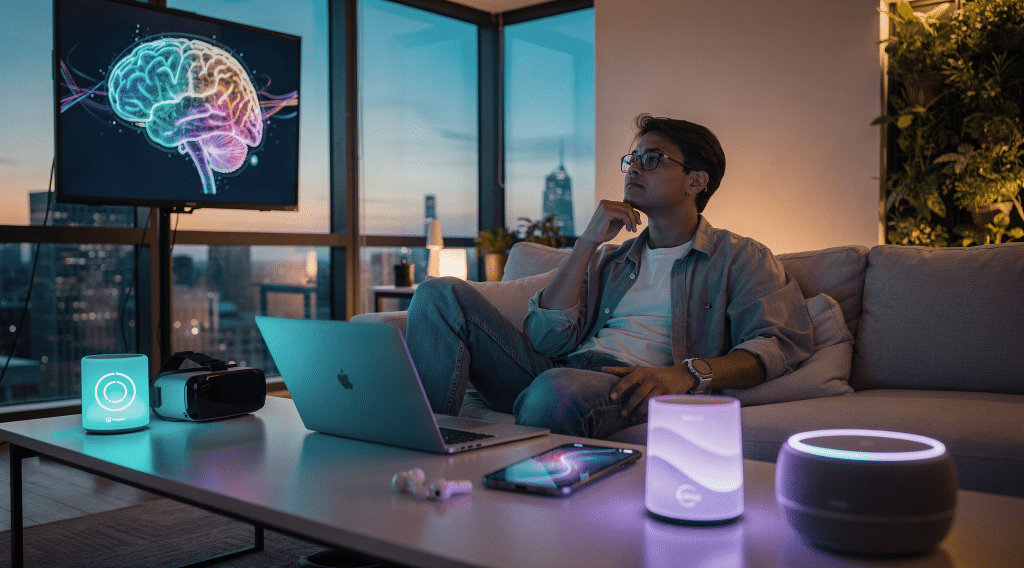
The tech industry, ironically, is now leveraging its own strengths to address mental health challenges. 2026 has seen an explosion of innovative tools and technologies designed to support employee well-being, moving beyond traditional methods to offer personalized, accessible, and often preventative care. These tools range from sophisticated AI-powered platforms to elegantly designed wellness applications.
AI-Powered Mental Health Platforms
Artificial intelligence is at the forefront of this revolution. AI-powered platforms are now capable of personalized mental health support, often acting as intelligent chatbots that can provide therapeutic conversations, guide users through cognitive behavioral therapy (CBT) exercises, or offer mindfulness techniques. These platforms can learn user patterns, identify triggers, and suggest proactive strategies for managing stress and anxiety. Some even integrate with biometric data from wearables to offer insights into sleep patterns, heart rate variability, and activity levels, correlating them with mood and stress indicators. This data-driven approach allows for highly personalized interventions, making mental health support more precise and effective.
Virtual Reality (VR) and Augmented Reality (AR) Therapy
VR and AR are transforming therapeutic interventions. In 2026, VR therapy is being used to create immersive, safe environments for exposure therapy, helping individuals overcome phobias or manage anxiety in controlled settings. For instance, a tech professional struggling with public speaking anxiety might practice presentations in a virtual auditorium. AR applications, on the other hand, can integrate mental wellness exercises into the real world, overlaying mindfulness prompts or guided meditations onto a user’s surroundings, making it easier to incorporate breaks and self-care into a busy workday.
Wearable Technology Integration
Wearable devices have moved beyond simple fitness tracking. In 2026, they are crucial for passive monitoring of mental well-being. Advanced wearables can track stress levels through heart rate variability, sleep quality, and even skin conductance. When these metrics indicate elevated stress or poor sleep, the devices can prompt users with gentle nudges to take a break, engage in a breathing exercise, or recommend a mindfulness session. This proactive, in-the-moment feedback empowers individuals to make small, impactful changes to their daily routines, contributing significantly to their overall tech mental health.
Specialized Wellness Applications
Beyond general mental health apps, 2026 sees a rise in specialized wellness applications tailored specifically for the tech workforce. These apps often include features like ‘focus modes’ that block distractions during deep work sessions, ‘digital detox’ planners, and tools for managing notification overload. Some even offer guided exercises for ‘coder’s neck’ or ‘tech wrist,’ recognizing the physical manifestations of prolonged screen time and their impact on mental state. These applications are designed with the unique demands of tech jobs in mind, offering highly relevant and actionable support.
Gamification of Mental Wellness
To encourage engagement, many mental health tools are incorporating gamification elements. Users can earn points, badges, or unlock new features by consistently practicing mindfulness, completing therapeutic exercises, or achieving personal wellness goals. This approach makes self-care more enjoyable and sustainable, transforming what might feel like a chore into an engaging challenge. Leaderboards (often anonymized) or team-based wellness challenges can also foster a sense of community and friendly competition, further boosting participation in tech mental health initiatives.
Comparison and Analysis of Effectiveness
When comparing traditional support systems with innovative tools, it’s clear that neither approach is a standalone solution. The most effective strategies for tech mental health in 2026 involve a synergistic integration of both. Traditional systems provide the human touch, the deep empathy, and the personalized therapeutic relationships that technology, despite its advancements, cannot fully replicate. A conversation with a trained therapist, for instance, offers a level of nuanced understanding and emotional connection that an AI chatbot, however sophisticated, cannot yet achieve.
However, innovative tools excel in accessibility, scalability, and personalization on a broader scale. They can provide immediate, on-demand support, reaching employees who might be hesitant to seek traditional therapy due to stigma, time constraints, or geographical barriers. AI-powered platforms offer anonymity and convenience, allowing users to engage with mental health resources anytime, anywhere. Wearables provide continuous, passive monitoring and proactive nudges, fostering self-awareness and encouraging preventative care before issues escalate.
The true power lies in their combination. For example, an EAP might integrate with a mental wellness app, allowing employees to easily transition from self-guided exercises to professional therapy when needed. HR professionals, trained in mental health first aid, can use data from anonymized company-wide wellness platforms to identify trends and tailor support programs. VR therapy might be recommended by a traditional therapist as a complementary tool. This integrated approach ensures a multi-layered safety net, addressing the diverse needs of a varied workforce.
Challenges still exist. The digital divide, data privacy concerns, and the potential for ‘tech fatigue’ (where employees are overwhelmed by too many digital tools) need to be carefully managed. Companies must ensure that the implementation of these tools is thoughtful, transparent, and genuinely beneficial, rather than just a performative gesture. Continuous feedback loops and outcome-based evaluations are crucial to refine and improve these integrated systems, ensuring they genuinely contribute to positive tech mental health outcomes.
Company Case Studies: Leading the Way in 2026
Several forward-thinking tech companies are setting benchmarks in 2026 for comprehensive mental health support. These organizations understand that investing in employee well-being is not just an ethical imperative but also a strategic business decision, leading to higher retention, increased productivity, and a more engaged workforce.
InnovateTech Solutions
InnovateTech has implemented a ‘Wellness Hub’ model. This hub combines on-site mental health counselors, peer support groups, and a subscription to a premium AI-powered mental wellness platform. Employees receive personalized recommendations based on their usage patterns and self-reported needs. InnovateTech also mandates ‘no-meeting’ Fridays and offers flexible work hours, actively encouraging work-life balance. Their success metrics show a 20% reduction in reported stress levels and a 15% increase in employee satisfaction over the past two years, directly attributable to their integrated tech mental health strategy.
Quantum Leap Dynamics
Quantum Leap Dynamics focuses heavily on preventative care and mental health literacy. They offer mandatory workshops on stress management, emotional intelligence, and digital well-being for all employees, from entry-level to senior leadership. They’ve also integrated a VR-based mindfulness program into their office spaces, allowing employees to take short, immersive breaks throughout the day. Their EAP is extensively promoted and includes specialized therapists for issues common in the tech industry, such as imposter syndrome and burnout. Quantum Leap’s approach emphasizes destigmatization, with senior leaders openly sharing their own mental health journeys to foster a culture of openness.
PixelStream Labs
PixelStream Labs has adopted a data-driven approach. They utilize anonymized data from wearable devices (with employee consent) to identify aggregate stress patterns within different teams. This allows their HR and wellness teams to proactively offer targeted interventions, such as team-specific resilience training or workload rebalancing. They also provide a generous ‘mental health day’ allowance, separate from sick leave, emphasizing the importance of dedicated time for psychological rest. Their internal surveys indicate that employees feel significantly more supported and less fatigued compared to industry averages, demonstrating the power of tailored, data-informed tech mental health initiatives.
These case studies illustrate that a multi-faceted approach, combining traditional human-centric support with cutting-edge technology, is the most effective path forward. The key is not just to offer resources, but to embed them within the company culture, making mental well-being an intrinsic part of the employee experience.
Challenges and Future Outlook for Tech Mental Health
Despite significant progress, the journey towards optimal tech mental health is not without its challenges. One persistent issue is the ongoing stigma surrounding mental health. While improving, some employees still fear that disclosing mental health struggles could negatively impact their career progression. Companies must continually work to dismantle this stigma through leadership modeling, anonymous reporting channels, and robust anti-discrimination policies.
Another challenge lies in the rapid evolution of technology itself. New tools emerge constantly, making it difficult for companies to discern truly effective solutions from passing fads. Rigorous evaluation and evidence-based decision-making are crucial. Data privacy and security also remain paramount, especially when dealing with sensitive mental health information collected by digital tools. Companies must ensure compliance with evolving regulations and maintain transparent policies regarding data usage.
Looking ahead, the future of tech mental health will likely see even greater integration and personalization. We can anticipate more sophisticated AI that acts as a truly empathetic companion, offering support that feels increasingly human. The convergence of physical and mental health will also deepen, with wearables providing holistic insights into an individual’s total well-being. Furthermore, there will be a greater emphasis on proactive and preventative measures, moving beyond reactive crisis management to fostering a culture of resilience and flourishing.
The role of leadership will continue to be vital. Leaders who champion mental health, demonstrate vulnerability, and actively participate in wellness initiatives will inspire a ripple effect throughout their organizations. Policy changes, such as mandating realistic work hours and promoting digital detoxes, will also become more prevalent. The goal is to create a tech industry where innovation and human well-being are not mutually exclusive, but rather mutually reinforcing. The conversation around tech mental health will continue to evolve, becoming an even more integral part of how we define success in the digital age.
Conclusion
The landscape of tech mental health in 2026 presents a compelling picture of progress and ongoing evolution. The industry has moved beyond mere acknowledgment of mental health challenges to actively implementing comprehensive support systems and leveraging its own technological prowess to create innovative solutions. From refined traditional EAPs and peer support networks to cutting-edge AI platforms, VR therapy, and smart wearables, the tools available today offer a multi-faceted approach to well-being.
The most effective strategies are those that integrate human-centric support with accessible, personalized technology, fostering a culture where mental health is prioritized, destigmatized, and proactively managed. While challenges such as lingering stigma and data privacy remain, the trajectory is clear: the tech industry is increasingly committed to nurturing the mental well-being of its workforce. By continuing to innovate, educate, and prioritize human connection, we can build a future where tech professionals not only drive global innovation but also thrive personally and professionally, creating a truly sustainable and humane digital world.