Edge AI for US Manufacturing: Boosting Efficiency by 20% with Localized Processing in 2026
Edge AI for US Manufacturing: Boosting Efficiency by 20% with Localized Processing in 2026
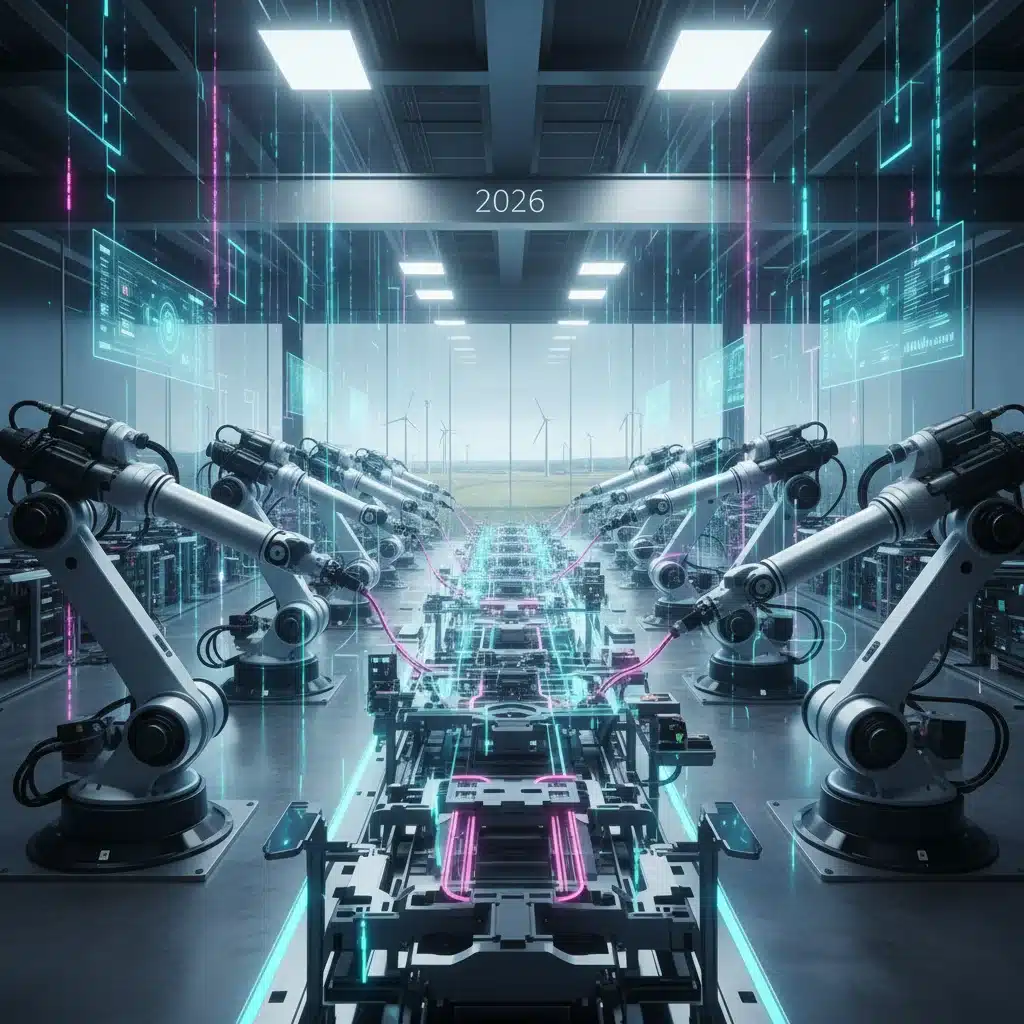
The landscape of US manufacturing is on the cusp of a profound transformation, driven by the relentless march of technological innovation. At the forefront of this revolution is Edge AI Manufacturing, a paradigm shift promising unprecedented levels of efficiency, responsiveness, and autonomy. By 2026, experts predict that the strategic implementation of Edge AI within American factories could lead to a remarkable 20% boost in operational efficiency. This isn’t just about incremental improvements; it’s about fundamentally rethinking how production lines operate, how quality is assured, and how decisions are made, all through the power of localized processing.
Traditional manufacturing relies heavily on centralized cloud computing for data analysis, which often introduces latency and bandwidth limitations. In contrast, Edge AI brings the computational power and intelligence directly to the source of data generation – the ‘edge’ of the network, right on the factory floor. This localized processing capability is the cornerstone of its effectiveness, enabling real-time decision-making, predictive maintenance, and enhanced automation without the delays associated with transmitting vast amounts of data to remote servers. The implications for US manufacturing, striving for global competitiveness and resilience, are monumental.
This comprehensive guide will delve into the intricacies of Edge AI, exploring its core principles, tangible benefits for US manufacturing, the challenges that need to be addressed, and a strategic roadmap for its successful adoption. We will examine how this technology is not merely an upgrade but a foundational element of Industry 4.0, poised to redefine productivity and innovation in the coming years.
Understanding Edge AI: The Power of Localized Intelligence
To truly grasp the impact of Edge AI Manufacturing, it’s essential to understand what Edge AI entails. At its heart, Edge AI refers to the deployment of artificial intelligence algorithms directly on edge devices – industrial sensors, robots, cameras, and other machinery – rather than relying solely on cloud-based servers. This means that data is processed and analyzed where it’s collected, minimizing the need to send raw information across networks.
The Distinction: Edge vs. Cloud AI
The primary differentiator between Edge AI and traditional cloud AI lies in the location of data processing. In a cloud-centric model, data from the factory floor is streamed to a central cloud server, where AI models analyze it, and then insights or commands are sent back to the devices. While powerful for complex, large-scale data analysis, this approach can suffer from:
- Latency: Delays in data transmission can be critical in time-sensitive manufacturing processes.
- Bandwidth Constraints: Transmitting massive volumes of sensor data continuously can overwhelm network infrastructure and incur significant costs.
- Security Risks: Data traveling over networks is more susceptible to interception and cyber threats.
- Reliability Issues: Dependence on continuous network connectivity can be a single point of failure.
Edge AI mitigates these challenges by performing computations locally. This localized intelligence enables:
- Real-time Processing: Decisions can be made in milliseconds, crucial for applications like robotic control, defect detection, and anomaly identification.
- Reduced Bandwidth Usage: Only processed insights or relevant alerts need to be sent to the cloud, significantly lowering data transmission requirements.
- Enhanced Security: Sensitive data remains on-site, reducing exposure to external cyber threats.
- Improved Reliability: Operations can continue even with intermittent or no network connectivity to the cloud.
Key Components of an Edge AI System
An effective Edge AI Manufacturing system typically comprises several key components:
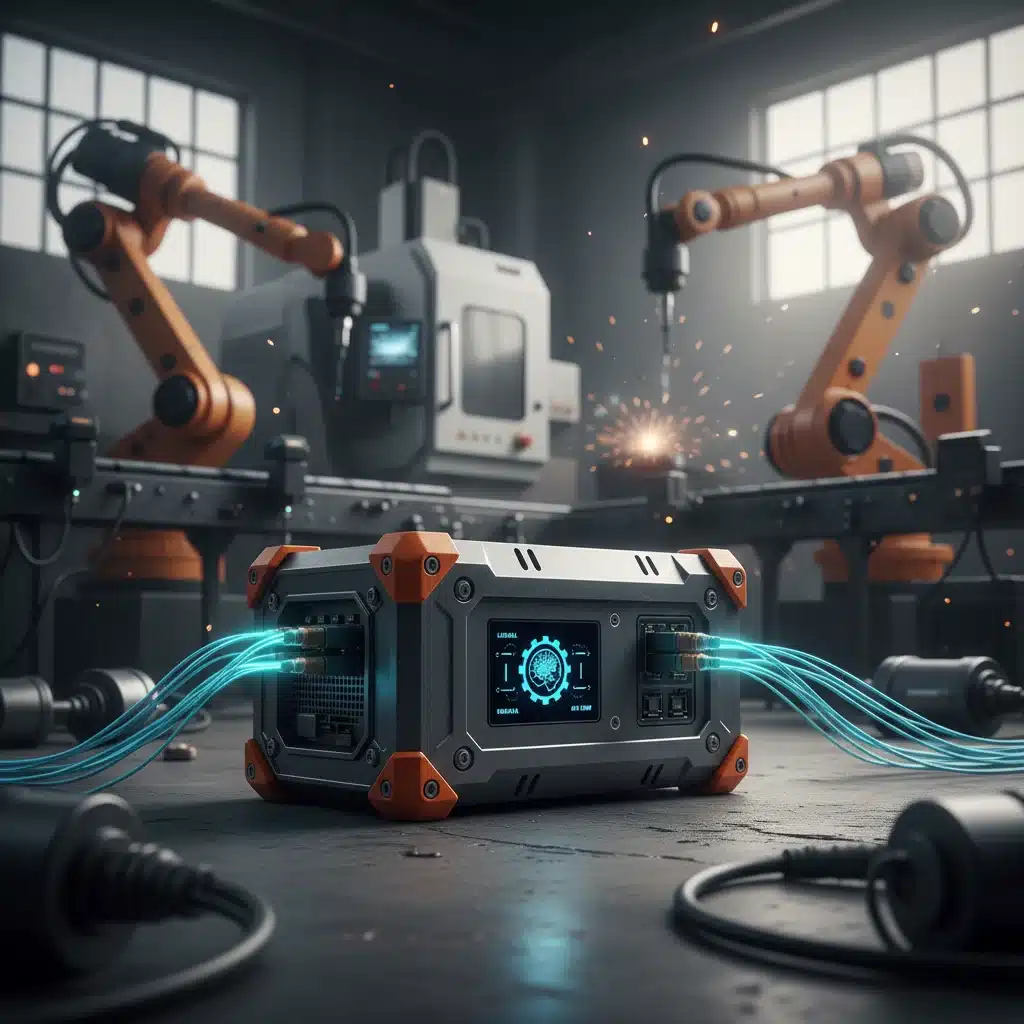
- Edge Devices: These are the physical hardware units deployed on the factory floor, ranging from smart sensors and cameras to industrial PCs and gateways. They are equipped with sufficient processing power (e.g., GPUs, NPUs) to run AI models.
- AI Models: Optimized machine learning models (e.g., for computer vision, predictive analytics, natural language processing) are deployed onto the edge devices. These models are often trained in the cloud using large datasets and then compressed for efficient execution at the edge.
- Edge Orchestration Platforms: Software platforms that manage the deployment, updating, and monitoring of AI models and applications across numerous edge devices.
- Connectivity: While localized processing is key, some level of connectivity (e.g., 5G, Wi-Fi 6, wired Ethernet) is still necessary for model updates, data aggregation, and integration with broader enterprise systems.
The 20% Efficiency Boost: How Edge AI Transforms US Manufacturing
The projection of a 20% efficiency boost in US manufacturing by 2026 is not an arbitrary figure; it’s a conservative estimate based on the compounding effects of Edge AI across various operational facets. This efficiency gain translates into significant cost reductions, improved product quality, faster time-to-market, and enhanced safety.
Predictive Maintenance and Anomaly Detection
One of the most immediate and impactful applications of Edge AI Manufacturing is in predictive maintenance. Instead of scheduled maintenance or reactive repairs, AI models running on edge devices can continuously monitor the health of machinery. By analyzing vibration, temperature, acoustic, and other sensor data in real-time, these models can detect subtle anomalies that indicate impending equipment failure. This allows maintenance teams to intervene proactively, preventing costly breakdowns, minimizing downtime, and extending the lifespan of critical assets. The localized processing ensures that these alerts are generated instantaneously, preventing catastrophic failures that could halt an entire production line.
Real-time Quality Control and Defect Detection
Manual quality checks are often slow, prone to human error, and can only sample a fraction of production. Edge AI, particularly when combined with computer vision, revolutionizes quality control. High-speed cameras integrated with edge devices can inspect every single product or component on a production line. AI models, trained to identify defects, anomalies, or deviations from specifications, can flag issues in real-time, often at speeds impossible for human inspection. This leads to:
- Higher Product Quality: Fewer defective products reach the market.
- Reduced Waste: Defects are caught early, minimizing material waste and rework.
- Faster Feedback Loops: Manufacturers can quickly identify and correct the root causes of defects.
Optimized Production Processes and Resource Allocation
Edge AI can analyze vast streams of operational data from various machines, sensors, and production stages to identify bottlenecks, inefficiencies, and opportunities for optimization. For example, AI algorithms can dynamically adjust machine parameters, optimize robotic movements, or reallocate resources in response to changing conditions on the factory floor. This real-time adaptability ensures that production lines operate at peak performance, maximizing throughput and minimizing energy consumption. The localized processing capability means that these optimizations can be applied instantly, without waiting for data to travel to and from the cloud.
Enhanced Worker Safety
Safety is paramount in manufacturing. Edge AI can significantly improve worker safety through real-time monitoring and anomaly detection. Computer vision systems can identify unsafe behaviors, detect if workers are entering hazardous zones without proper PPE, or recognize potential hazards like spills or obstructions. By processing this data at the edge, alerts can be issued immediately, allowing for rapid intervention and preventing accidents. This proactive approach to safety not only protects employees but also reduces incident-related costs and downtime.
Autonomous Operations and Robotics
The synergy between Edge AI and robotics is a powerful driver of efficiency. Edge AI empowers robots to operate more autonomously and intelligently. Instead of being pre-programmed for every scenario, robots equipped with edge AI can perceive their environment, make real-time decisions, and adapt to unforeseen circumstances. This is crucial for tasks like flexible assembly, dynamic material handling, and collaborative robotics, where robots need to interact safely and efficiently with their human counterparts and changing production demands. The localized processing ensures that these robots can react instantaneously to their surroundings, enhancing both efficiency and safety.
Challenges and Considerations for Edge AI Adoption
While the benefits of Edge AI Manufacturing are compelling, its successful implementation is not without challenges. US manufacturers must strategically address these hurdles to fully realize the technology’s potential.
Data Management and Integration
Even with localized processing, data management remains complex. Manufacturers generate enormous volumes of data from diverse sources. Integrating these disparate data streams, ensuring data quality, and establishing robust data governance policies are crucial. While raw data is processed at the edge, aggregated insights and model updates still require secure and efficient communication with central systems or the cloud.
Cybersecurity at the Edge
Deploying AI models on edge devices expands the attack surface for cyber threats. Each edge device becomes a potential entry point for malicious actors. Robust cybersecurity measures, including secure boot, encryption, access control, and continuous threat monitoring, are essential to protect both the edge devices and the data they process. Manufacturers must adopt a ‘security by design’ approach for their Edge AI infrastructure.
Skills Gap and Workforce Training
The successful adoption of Edge AI requires a workforce with new skills in AI, data science, industrial IoT, and cybersecurity. There is a significant skills gap in these areas within the manufacturing sector. Companies must invest in training existing employees, upskilling their workforce, and attracting new talent to manage, maintain, and innovate with Edge AI systems.
Cost of Implementation and ROI
The initial investment in Edge AI hardware, software, and integration can be substantial. Manufacturers need to conduct thorough cost-benefit analyses and develop clear ROI models to justify these investments. While the long-term efficiency gains are significant, demonstrating tangible returns in the short to medium term is crucial for widespread adoption. Pilot projects can help validate the technology’s value before large-scale deployment.
Scalability and Management of Edge Devices
As the number of edge devices grows, managing their deployment, configuration, updates, and maintenance becomes increasingly complex. Robust edge orchestration platforms are necessary to handle large-scale deployments, ensuring that AI models are consistently updated and performing optimally across the entire manufacturing ecosystem. This requires a scalable and flexible infrastructure.
A Strategic Roadmap for Edge AI Implementation in US Manufacturing
To achieve the projected 20% efficiency boost by 2026, US manufacturers need a clear, phased approach to adopting Edge AI Manufacturing. This roadmap emphasizes strategic planning, pilot projects, and continuous improvement.
Phase 1: Assessment and Strategy Development (6-12 Months)
The first step involves a comprehensive assessment of current operations, identifying pain points, and pinpointing areas where Edge AI can deliver the most significant impact. This includes:
- Identify Use Cases: Determine specific applications where Edge AI can provide immediate value (e.g., predictive maintenance for critical machinery, real-time quality inspection for high-value products).
- Data Readiness Assessment: Evaluate existing data infrastructure, data quality, and data collection capabilities.
- Technology Stack Evaluation: Research and select appropriate Edge AI hardware (e.g., industrial PCs, specialized AI accelerators) and software platforms.
- Talent Assessment: Identify internal skill gaps and plan for training or recruitment.
- ROI Modeling: Develop a clear business case with projected costs, benefits, and ROI for pilot projects.
Phase 2: Pilot Projects and Proof of Concept (12-18 Months)
Instead of a full-scale deployment, start with targeted pilot projects in a controlled environment. This allows manufacturers to test the technology, validate assumptions, and refine their approach without disrupting core operations.
- Select a Critical Use Case: Choose a specific problem with measurable outcomes (e.g., reduce downtime on a particular machine by X%).
- Deploy Edge Devices and AI Models: Install necessary hardware and deploy trained AI models.
- Monitor and Measure Performance: Collect data on key performance indicators (KPIs) to evaluate the effectiveness of the Edge AI solution.
- Iterate and Optimize: Use insights from the pilot to refine AI models, adjust configurations, and improve processes.
- Document Learnings: Capture best practices and challenges encountered to inform future deployments.
Phase 3: Scaled Deployment and Integration (18-36 Months)
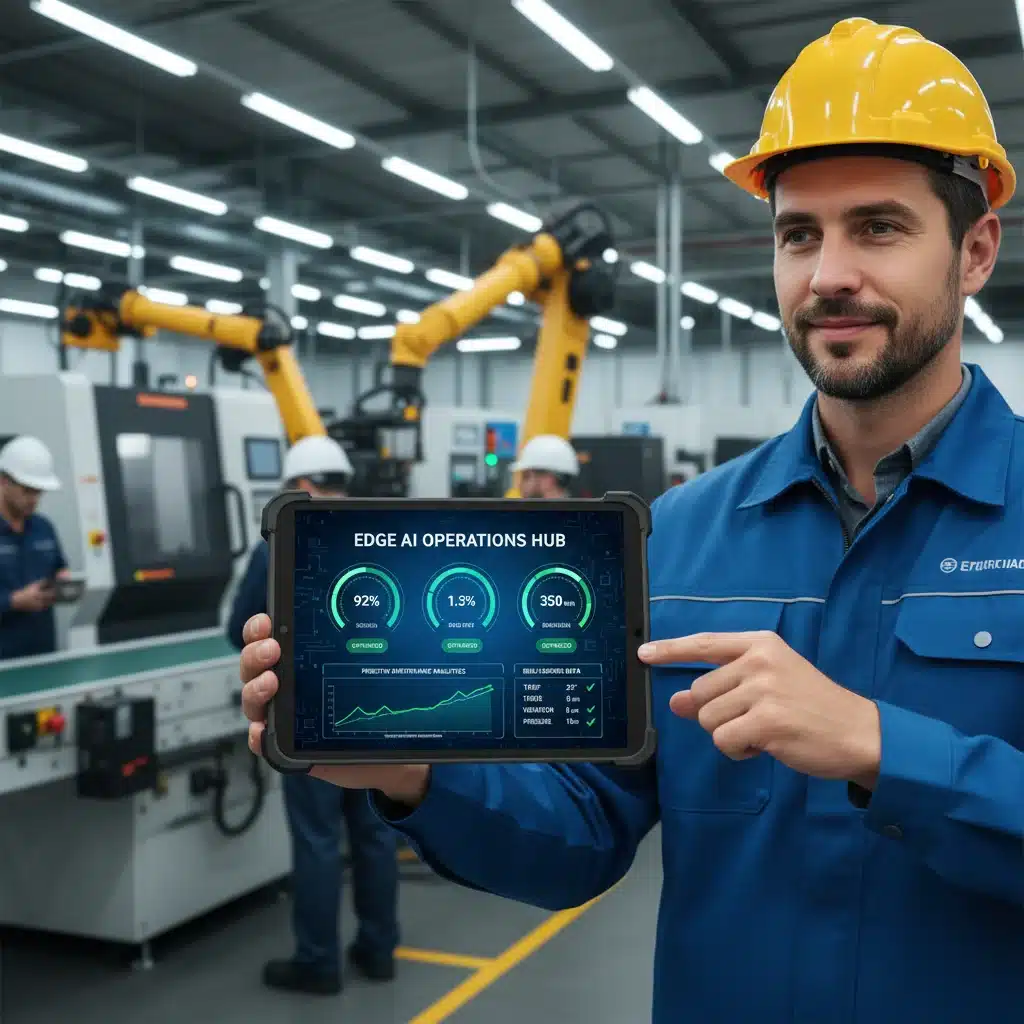
Once pilot projects demonstrate success and value, manufacturers can begin scaling their Edge AI initiatives across more production lines, facilities, and use cases. This phase focuses on seamless integration and operationalization.
- Phased Rollout: Expand deployments incrementally, building on lessons learned from pilot projects.
- Integration with Existing Systems: Ensure Edge AI solutions integrate smoothly with ERP, MES, and other operational systems.
- Robust Cybersecurity Framework: Implement comprehensive cybersecurity measures across all deployed edge devices.
- Workforce Upskilling: Continue training programs to ensure the workforce is proficient in managing and leveraging Edge AI.
- Establish Governance: Develop policies and procedures for data management, model updates, and system maintenance.
- Continuous Improvement: Implement feedback loops to continuously refine AI models and optimize operational processes based on new data and insights.
Phase 4: Optimization and Innovation (Ongoing)
Edge AI is not a one-time deployment but an ongoing journey of optimization and innovation. As the technology matures and data accumulates, manufacturers can unlock new possibilities.
- Advanced Analytics: Leverage the vast amounts of data collected at the edge and aggregated in the cloud for deeper insights and more sophisticated predictive models.
- Autonomous Decision-Making: Progress towards increasingly autonomous operations where Edge AI systems can make complex decisions without human intervention in well-defined scenarios.
- Supply Chain Integration: Extend Edge AI capabilities beyond the factory floor to optimize supply chain logistics, inventory management, and demand forecasting.
- New Product Development: Use insights from Edge AI to inform product design, identify market needs, and accelerate innovation cycles.
- Ecosystem Collaboration: Engage with technology providers, academic institutions, and industry consortia to stay abreast of emerging trends and collaborate on cutting-edge solutions.
The Future of US Manufacturing with Edge AI
The vision of US manufacturing in 2026, powered by Edge AI Manufacturing, is one of unparalleled efficiency, agility, and resilience. This technology is not just about automating tasks; it’s about intelligent automation that learns, adapts, and optimizes in real-time. By bringing AI directly to the point of action, American factories can overcome traditional limitations, respond faster to market demands, and produce higher-quality goods at lower costs.
The projected 20% efficiency gain is a powerful motivator, but the benefits extend far beyond mere numbers. Edge AI fosters a culture of continuous improvement, data-driven decision-making, and proactive problem-solving. It empowers human workers by offloading mundane, repetitive, or dangerous tasks, allowing them to focus on higher-value activities that require creativity, critical thinking, and complex problem-solving skills.
Furthermore, the adoption of Edge AI strengthens the domestic manufacturing base, enhancing national competitiveness and reducing reliance on foreign supply chains. It represents a strategic investment in the future, ensuring that US manufacturing remains at the forefront of global innovation.
Conclusion
The journey towards a 20% efficiency boost in US manufacturing by 2026, driven by Edge AI Manufacturing, is an ambitious yet achievable goal. It requires a clear understanding of the technology, a strategic approach to implementation, and a commitment to overcoming the inherent challenges. By embracing localized processing, manufacturers can unlock real-time insights, optimize operations, enhance quality, and improve safety in ways previously unimaginable.
The time for American manufacturers to explore and invest in Edge AI is now. Those who proactively integrate this transformative technology will not only gain a significant competitive advantage but will also play a pivotal role in shaping the next era of industrial excellence, ensuring a more productive, resilient, and innovative future for US manufacturing.