Deepfakes and American Perception: 2026 Media Literacy Update
Anúncios
Are Deepfakes Reshaping American Public Perception? A 2026 Perspective on Media Literacy (RECENT UPDATES)
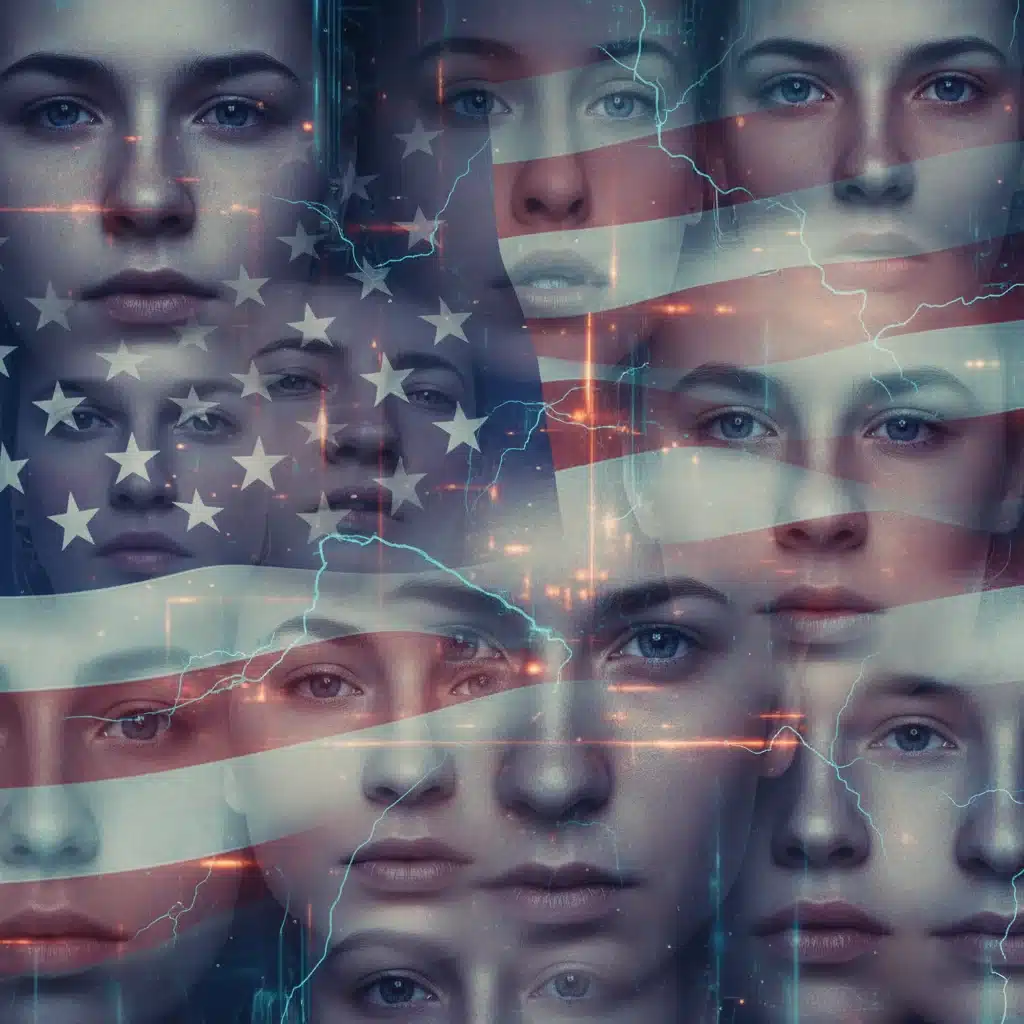
The year 2026 finds the American public navigating an increasingly complex digital landscape, where the lines between reality and fabrication are perpetually blurred. At the forefront of this challenge are deepfakes – synthetic media generated by artificial intelligence that can convincingly portray individuals saying or doing things they never did. The question is no longer if deepfakes will impact American public perception, but rather, to what extent they already have, and how we can adapt to protect truth and trust in our society. This article delves into the recent updates surrounding deepfakes, their profound influence on American public perception, and the critical role of media literacy in safeguarding our collective understanding of reality.
Anúncios
The Evolving Threat of Deepfakes: A 2026 Overview
Deepfakes, once a niche technological curiosity, have matured into sophisticated tools with widespread implications. In 2026, the technology has become more accessible, the quality of generated content more convincing, and the methods of dissemination more insidious. We are witnessing an evolution from rudimentary face swaps to full-body syntheses, voice cloning with impeccable accuracy, and even the creation of entirely fabricated events. The ease with which these can be produced and spread through social media platforms, messaging apps, and even mainstream news channels presents an unprecedented challenge to information integrity.
Recent Technological Advancements and Accessibility
The progress in generative AI models, particularly in areas like Generative Adversarial Networks (GANs) and diffusion models, has dramatically enhanced deepfake capabilities. Today, creating a high-quality deepfake no longer requires extensive technical expertise or expensive equipment. User-friendly software and even online services allow individuals with minimal training to generate compelling synthetic media. This democratization of deepfake technology means that the potential for misuse is no longer confined to state-sponsored actors or highly skilled malicious groups; it extends to individuals and smaller organizations seeking to manipulate public opinion or sow discord. The sheer volume of potential deepfake content has escalated, making detection and containment a monumental task.
Deepfakes in Political Discourse: Shifting American Public Perception
The political arena remains a primary target for deepfake deployment. As we approach critical election cycles, the strategic use of deepfakes to discredit candidates, spread misinformation, or incite social unrest is a growing concern. A deepfake of a political figure making a controversial statement, even if quickly debunked, can leave a lasting impression and erode trust. The speed at which such content can go viral often outpaces the efforts of fact-checkers, allowing false narratives to take root and influence voter sentiment. The challenge lies not just in identifying deepfakes, but in mitigating their psychological impact on an electorate already grappling with information overload and partisan divisions. The erosion of trust in traditional media and institutions further amplifies the power of deepfakes to shape American public perception, as citizens become more susceptible to content that confirms existing biases, regardless of its authenticity.
Anúncios
The Impact on Trust and Reality: How Deepfakes Reshape Perception
The most profound impact of deepfakes is their corrosive effect on trust – trust in what we see, what we hear, and ultimately, what we believe. When verifiable events can be convincingly faked, and genuine events can be dismissed as deepfakes, society enters a dangerous epistemological crisis. This ‘liar’s dividend,’ where actual evidence is disregarded due to the pervasive threat of synthetic media, is a significant concern for the stability of democratic processes and social cohesion. Deepfakes American perception by introducing a constant undercurrent of doubt.
Erosion of Trust in Media and Institutions
The proliferation of deepfakes exacerbates the existing crisis of trust in media. When news outlets inadvertently (or even intentionally) share deepfake content, their credibility suffers immensely. This erosion of trust extends to governmental institutions, scientific bodies, and even legal systems, as visual and auditory evidence, once considered irrefutable, can now be called into question. This creates a fertile ground for conspiracy theories and alternative realities, making it increasingly difficult for the public to agree on a shared set of facts, a fundamental requirement for a functioning society.
Psychological and Social Consequences
Beyond the political realm, deepfakes have significant psychological and social consequences. Individuals can be targeted with malicious deepfakes, leading to reputational damage, emotional distress, and even financial ruin. The fear of being deepfaked can lead to self-censorship and a reluctance to engage in public discourse. On a broader societal level, the constant exposure to manipulated content can foster cynicism, apathy, and a general distrust of information, making collective action on critical issues more challenging. The subtle yet pervasive influence of deepfakes on American public perception is a silent but potent force.
Media Literacy: The Essential Defense in 2026
In this environment, media literacy is no longer a desirable skill; it is an absolute necessity. It is the primary tool for individuals to critically evaluate the information they encounter and discern truth from fabrication. A robust media literacy framework is essential for building resilience against the manipulative power of deepfakes and ensuring that American public perception is based on facts, not falsehoods.
What Constitutes Effective Media Literacy in the Age of Deepfakes?
Effective media literacy in 2026 goes beyond simply identifying obvious fakes. It encompasses a holistic approach that includes:
- Critical Thinking Skills: Encouraging individuals to question the source, motive, and context of information, rather than accepting it at face value.
- Understanding AI and Generative Media: Educating the public on how deepfakes are created, their capabilities, and their limitations. This knowledge empowers individuals to better identify subtle cues of manipulation.
- Fact-Checking and Verification Tools: Familiarizing users with reliable fact-checking organizations, reverse image search tools, and AI-powered deepfake detection software.
- Digital Citizenship and Ethics: Promoting responsible sharing practices and an understanding of the ethical implications of spreading unverified content.
- Emotional Intelligence: Recognizing how emotionally charged content can bypass critical reasoning and lead to impulsive sharing.
These components collectively equip individuals to navigate the deepfake-laden information environment with greater confidence and discernment, thereby protecting American public perception from undue influence.

Integrating Media Literacy into Education and Public Awareness Campaigns
To effectively combat the deepfake threat, media literacy must be integrated into educational curricula from an early age and reinforced through ongoing public awareness campaigns. Schools, universities, community centers, and even workplaces have a role to play in fostering these critical skills. Governments and technology companies also bear a responsibility to fund and promote initiatives that educate the public about the dangers of deepfakes and provide resources for identification and reporting. Only through a concerted, multi-pronged effort can we hope to raise the collective media literacy of the nation and bolster American public perception against manipulation.
Technological Countermeasures and Their Limitations
While media literacy focuses on human discernment, technological solutions are also being developed to detect and combat deepfakes. These include advanced AI detection algorithms, digital watermarking, and blockchain-based provenance systems. However, these technologies face significant challenges.
AI-Powered Deepfake Detection
AI models are being trained to identify the subtle artifacts and inconsistencies that often characterize deepfakes. These detection systems analyze facial movements, eye blinks, speech patterns, and even physiological responses to determine authenticity. While promising, deepfake detection is an arms race; as detection methods improve, so do the techniques used to create more convincing fakes. This constant evolution means that no single detection technology can offer a permanent solution. Furthermore, the sheer volume of digital content makes it impossible for even the most advanced AI to scrutinize every piece of media.
Digital Watermarking and Provenance Systems
Another approach involves embedding digital watermarks or cryptographic signatures into authentic media at the point of creation. These systems aim to provide verifiable proof of origin and integrity. Blockchain technology, for example, can create an immutable record of a media file’s journey, making it harder to tamper with or falsely attribute. However, the widespread adoption of such systems requires industry-wide collaboration and standardized protocols, which are still in nascent stages. Moreover, a determined adversary could potentially remove or forge these markers, especially if the technology is not universally implemented.
The Regulatory and Ethical Landscape of Deepfakes in 2026
The rapid advancement of deepfake technology has outpaced existing legal and ethical frameworks. Governments, technology companies, and civil society organizations are grappling with how to regulate deepfakes without stifling innovation or infringing on free speech. The legal implications of deepfakes are complex and vary depending on the context of their use.
Legislative Efforts and Policy Debates
In 2026, several legislative efforts are underway to address the deepfake threat. These include proposals for mandatory disclosure labels for AI-generated content, criminalizing the creation and dissemination of malicious deepfakes (particularly those involving non-consensual sexual content or election interference), and establishing legal recourse for victims of deepfake-related harm. However, striking a balance between protecting individuals and upholding free speech rights remains a contentious debate. The global nature of the internet also complicates enforcement, as deepfakes can originate from jurisdictions with different legal standards. The effectiveness of such laws in shaping American public perception will depend heavily on their enforcement and public awareness.
Ethical Considerations for AI Developers and Platforms
AI developers and social media platforms bear a significant ethical responsibility in the deepfake era. Developers are increasingly being urged to build in safeguards and ethical considerations from the design phase, such as developing ‘deepfake-resistant’ AI or integrating detection mechanisms directly into their generative models. Social media platforms, as primary conduits for information dissemination, are under immense pressure to implement robust content moderation policies, invest in deepfake detection technologies, and provide users with tools to report and verify suspicious content. Their actions (or inactions) significantly influence how deepfakes impact American public perception.
Strategies for Individuals: Navigating the Deepfake Era
For the average American, navigating an information environment rife with deepfakes can feel overwhelming. However, adopting proactive strategies can significantly enhance one’s ability to discern truth from falsehood and protect their own and others’ perception.
Before You Share: A Critical Checklist
Before sharing any potentially impactful or sensational content, especially videos or audio recordings, consider the following:
- Source Verification: Is the source reputable and known for accuracy? Is it a primary source or a secondary report?
- Contextual Clues: Does the content align with other known facts or reports? Is there a logical explanation for what is being shown or heard?
- Visual/Auditory Anomalies: Look for inconsistencies in lighting, shadows, skin tone, facial expressions, or unnatural speech patterns. Are the lips out of sync with the audio?
- Emotional Triggers: Is the content designed to provoke a strong emotional reaction (anger, fear, outrage)? Such content is often designed to bypass critical thinking.
- Cross-Reference: Check if the information is reported by multiple, diverse, and credible news organizations.
- Reverse Image/Video Search: Use tools like Google Reverse Image Search or dedicated deepfake detection software if available.
These simple steps can significantly reduce the spread of deepfakes and help maintain a clearer American public perception.
Supporting Media Literacy Initiatives
Individuals can also contribute by actively supporting and participating in media literacy initiatives. This could involve advocating for media literacy education in schools, sharing reliable fact-checking resources with friends and family, or even volunteering with organizations dedicated to digital literacy. By collectively raising our guard, we can build a more resilient information ecosystem.
The Future of American Public Perception and Deepfakes
Looking ahead, the interplay between deepfakes and American public perception will continue to evolve. The technology will undoubtedly become more sophisticated, making detection even more challenging. However, human ingenuity and our capacity for critical thinking, coupled with technological countermeasures and robust educational frameworks, offer a path forward.
The Need for Continuous Adaptation
There will be no single, definitive solution to the deepfake challenge. Instead, society must adopt a strategy of continuous adaptation. This means ongoing investment in research and development for detection technologies, regular updates to media literacy curricula, and a dynamic regulatory environment that can respond to new threats. The conversation about deepfakes and their impact on American public perception must remain at the forefront of public discourse.
Rebuilding Trust in a Post-Deepfake World
Ultimately, the long-term goal is to rebuild and maintain trust in information. This will require a concerted effort from all stakeholders: individuals, educators, technology companies, media organizations, and governments. By fostering a culture of skepticism, critical inquiry, and responsible digital citizenship, we can empower the American public to navigate the complexities of the digital age and ensure that our shared reality is built on a foundation of truth. The battle for American public perception in the age of deepfakes is not just a technological one; it is a battle for the very fabric of our society.
Conclusion
As we stand in 2026, the influence of deepfakes on American public perception is undeniable and far-reaching. From shaping political narratives to eroding trust in fundamental institutions, the technology presents a formidable challenge. However, it is not an insurmountable one. By prioritizing comprehensive media literacy education, investing in advanced detection technologies, fostering ethical AI development, and implementing thoughtful regulatory frameworks, we can equip ourselves to defend against the insidious power of synthetic media. The future of American public perception hinges on our collective commitment to critical thinking, verifiable information, and a shared pursuit of truth in an increasingly manipulated world.