Boost Event Attendance: LinkedIn Live Event Tools for 15% Higher Conversions by 2026
Anúncios
Leveraging LinkedIn’s New Live Event Tools: Achieve 15% Higher Attendee Conversion in 2026
In the rapidly evolving landscape of digital marketing and professional networking, virtual events have cemented their place as a cornerstone for engagement, lead generation, and brand building. As we look towards 2026, the demand for more interactive, measurable, and impactful online gatherings is only set to intensify. Recognizing this critical need, LinkedIn has significantly enhanced its suite of live event tools, offering unprecedented opportunities for organizations and individuals to connect with their target audiences. This comprehensive guide will delve into how you can effectively leverage these new LinkedIn Live Events tools to not only streamline your event management but also achieve a remarkable 15% higher attendee conversion rate by 2026. Understanding and implementing these strategies will be paramount for anyone serious about maximizing their virtual event ROI.
Anúncios
The Evolving Landscape of Virtual Events and LinkedIn’s Role
The past few years have dramatically reshaped how we perceive and participate in events. What was once a niche activity has become a mainstream staple, driven by technological advancements and a global shift towards remote interactions. LinkedIn, as the world’s largest professional networking platform, is uniquely positioned to capitalize on this trend. Its user base comprises millions of professionals actively seeking opportunities for learning, networking, and career development, making it an ideal environment for hosting impactful virtual events. The latest enhancements to LinkedIn Live Events are designed to cater to this professional audience, providing robust features for everything from pre-event promotion to post-event analytics.
For businesses, the allure of LinkedIn Live Events extends beyond mere reach. It’s about targeting. The platform’s sophisticated algorithms and extensive user data allow for unparalleled precision in audience targeting, ensuring that your event reaches the most relevant professionals. This precision is a critical factor in driving higher attendee conversion rates. By understanding the nuances of these tools, you can transform your virtual events from simple webinars into dynamic, engaging experiences that foster genuine connections and generate tangible business outcomes. The goal is not just to attract attendees but to convert them into engaged participants, leads, and ultimately, loyal customers or collaborators.
Understanding the New LinkedIn Live Event Tools
LinkedIn has rolled out several key updates and new functionalities for its live event platform, all aimed at enhancing the user experience for both hosts and attendees. These tools are designed to provide a more integrated and seamless event lifecycle, from initial planning to follow-up. Let’s break down some of the most impactful features:
Anúncios
Enhanced Event Creation and Management
The process of setting up a live event on LinkedIn has become more intuitive and feature-rich. Hosts can now create dedicated event pages with richer content options, including detailed agendas, speaker bios, and promotional videos. These pages serve as a central hub for all event-related information, making it easier for potential attendees to get a comprehensive overview and decide to register. The ability to customize these pages extensively allows brands to maintain their identity and provide a consistent experience.
Robust Promotion and Discovery Features
One of the biggest challenges with any virtual event is getting the word out to the right people. LinkedIn’s new tools address this head-on with improved promotional capabilities. Hosts can now:
- Leverage Personal and Company Networks: Easily invite connections and followers directly from the event page.
- Utilize Targeted Advertising: Run highly specific ad campaigns targeting LinkedIn members based on job title, industry, skills, and more. This is crucial for reaching niche audiences.
- Boost Organic Reach: The platform’s algorithm now gives greater visibility to live events, especially those with high initial engagement. Encouraging early registrations and shares can significantly amplify your reach.
- Integrate with Content Marketing: Embed event details directly into LinkedIn articles, posts, and newsletters, creating a cohesive content strategy that drives event registrations.
These features collectively create a powerful ecosystem for promoting your LinkedIn Live Events, ensuring that your message resonates with the most relevant professional audience. The emphasis on targeted promotion directly contributes to a higher conversion rate, as you’re attracting individuals who are genuinely interested in your topic.
Interactive Live Broadcast Capabilities
Beyond promotion, the live broadcast experience itself has seen significant upgrades. LinkedIn Live Events now support:
- Higher Quality Streaming: Improved video and audio fidelity ensure a professional and engaging viewing experience.
- Real-time Engagement Tools: Enhanced chat functions, Q&A modules, and polling features allow for dynamic interaction between hosts, speakers, and attendees. This interactivity is key to keeping your audience captivated.
- Speaker Spotlight: New features to highlight speakers and their profiles during the live event, encouraging attendees to connect with them directly.
These interactive elements are vital for creating a memorable event that encourages active participation rather than passive viewing. When attendees feel heard and involved, their overall experience is enhanced, leading to greater satisfaction and a higher likelihood of future engagement.
Post-Event Analytics and Follow-up Tools
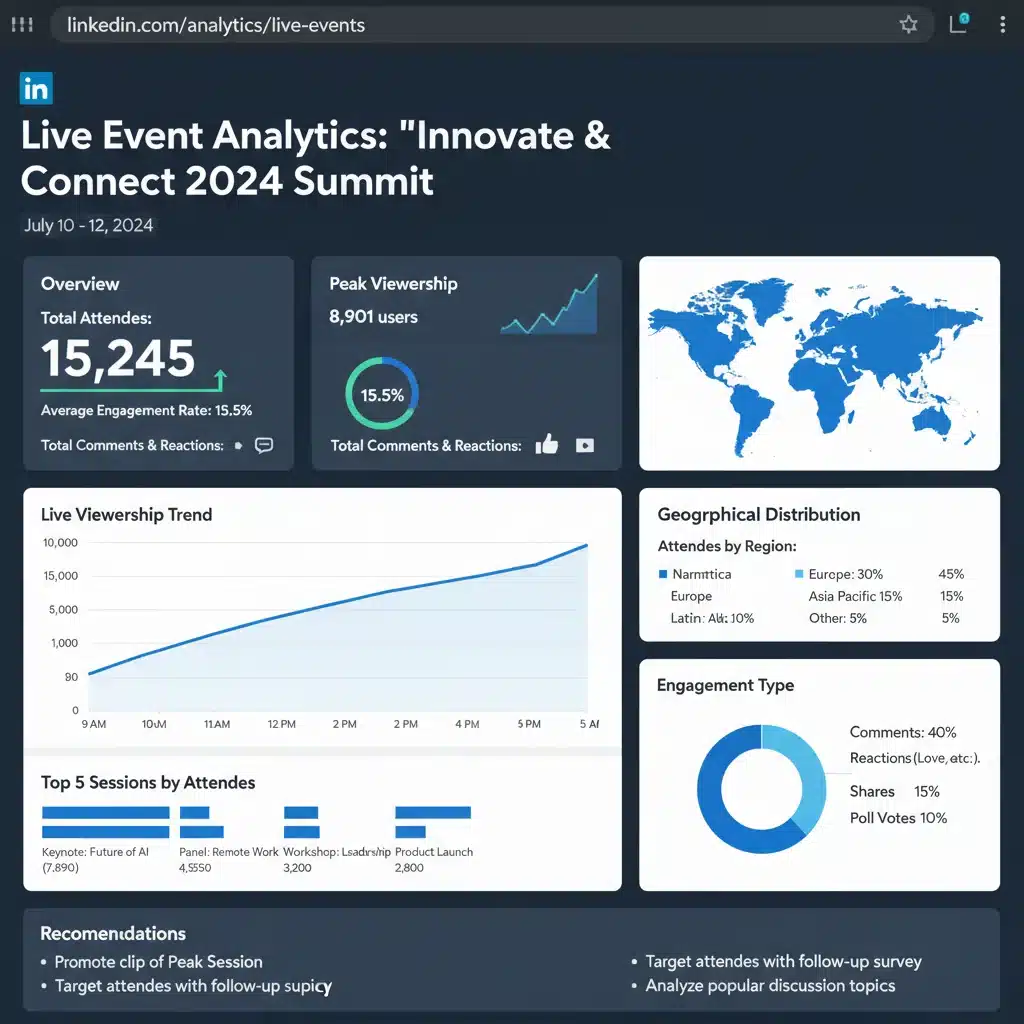
The impact of an event doesn’t end when the broadcast does. LinkedIn’s new tools provide comprehensive analytics to measure your event’s success. You can track:
- Attendee Demographics: Gain insights into who attended your event, including their job titles, industries, and locations.
- Engagement Metrics: Monitor chat activity, Q&A participation, and poll responses to gauge audience interest.
- Peak Viewership: Understand when your audience was most engaged during the live broadcast.
- Post-Event Reach: Track how many people viewed the recording after the live event.
Furthermore, new follow-up tools allow hosts to easily share event recordings, distribute resources, and send personalized messages to attendees and registrants. This streamlined follow-up process is crucial for nurturing leads and continuing the conversation long after the event concludes.
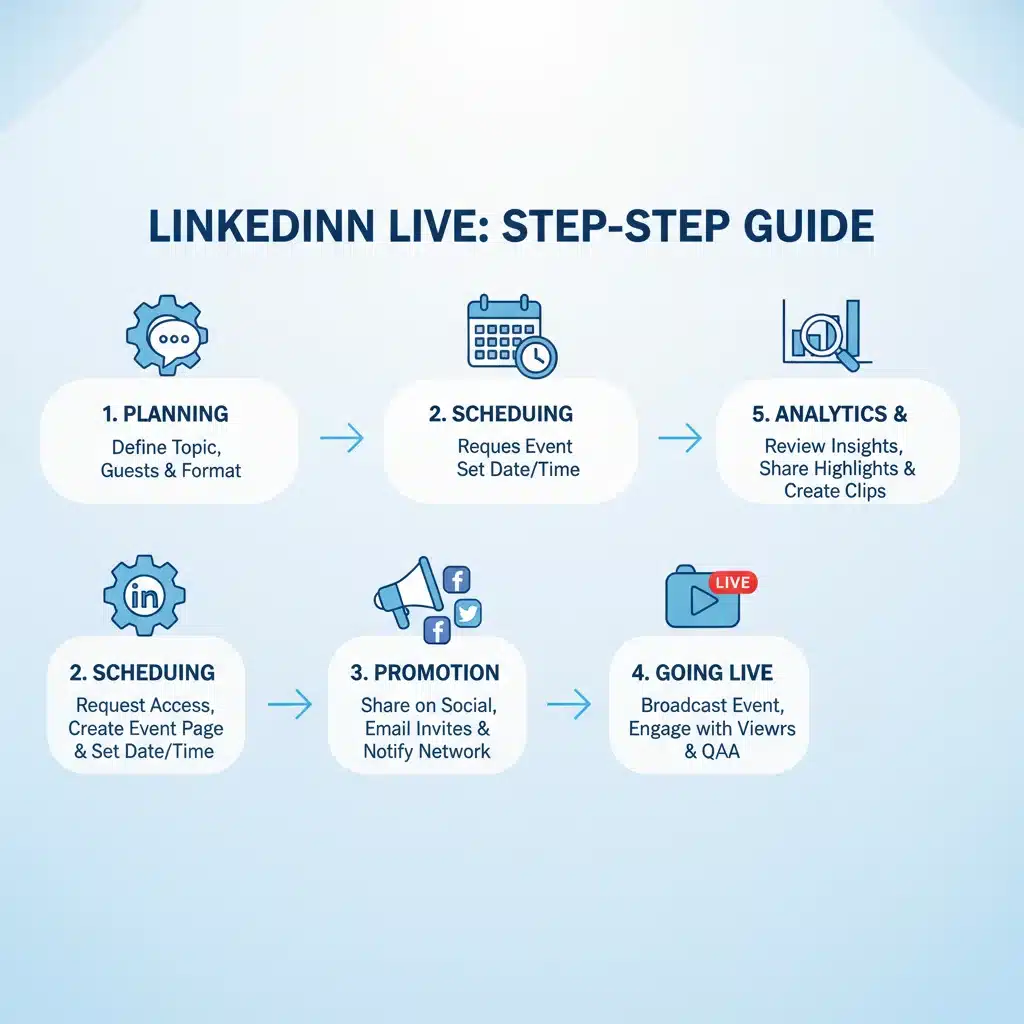
Strategies for Achieving 15% Higher Attendee Conversion
Now that we’ve explored the new tools, let’s focus on actionable strategies to leverage them for a significant boost in attendee conversion. Our target is a 15% increase by 2026, which is an ambitious yet achievable goal with the right approach to LinkedIn Live Events.
1. Strategic Pre-Event Planning and Content Creation
The foundation of a successful event is meticulous planning. Before you even think about hitting ‘go live,’ consider the following:
- Define Your Target Audience Precisely: Use LinkedIn’s demographic data to understand who you want to reach. What are their pain points? What information do they seek?
- Craft Compelling Event Titles and Descriptions: Your title should be engaging and keyword-rich, while the description must clearly articulate the value proposition for attendees. Highlight what they will learn or gain.
- Develop High-Value Content: Ensure your event content is genuinely valuable, insightful, and relevant to your target audience. This is the primary driver for registration.
- Secure Influential Speakers: Partner with industry experts or thought leaders who have a strong presence on LinkedIn. Their networks can significantly expand your reach.
- Create a Dedicated Event Page: Utilize the enhanced event creation tools to build a professional and informative event page. Include speaker bios, a detailed agenda, and any relevant pre-event resources.
2. Masterful Promotion and Outreach
Effective promotion is where LinkedIn’s new tools truly shine in driving conversions. Here’s how to maximize your outreach:
- Leverage LinkedIn Native Features:
- Personal Invitations: Encourage all speakers and team members to personally invite their relevant LinkedIn connections.
- Company Page Promotion: Regularly post about the event on your company page, using varied content formats (text, image, video). Pin the event post to the top of your feed.
- LinkedIn Groups: Share event details in relevant professional groups where your target audience congregates (adhering to group rules).
- LinkedIn Newsletter Integration: If you have a LinkedIn Newsletter, feature your event prominently.
- Implement Targeted LinkedIn Ads: This is arguably the most powerful tool for conversion. Create ad campaigns specifically targeting LinkedIn members who match your ideal attendee profile. Experiment with different ad formats (e.g., single image, video, carousel) and calls to action (CTAs). A/B test your ad creative and targeting parameters to optimize performance.
- Create a Content Promotion Schedule: Don’t just post once. Develop a consistent schedule of promotional content leading up to the event, building anticipation and reminding your audience. This could include speaker interviews, sneak peeks of content, or testimonials from past events.
- Utilize Hashtags Strategically: Research and use relevant, popular, and niche hashtags to increase discoverability.
3. Engaging Live Execution
Once attendees are in, keeping them engaged is crucial for a positive experience and future conversions. The new interactive tools are your best friend here:
- Start on Time and Be Prepared: Technical glitches can deter attendees. Conduct thorough rehearsals with all speakers.
- Foster Real-time Interaction: Actively monitor the chat and Q&A sections. Have a moderator dedicated to answering questions, flagging important ones for speakers, and encouraging discussion. Use polls to gather immediate feedback and keep the audience involved.
- Encourage Connections: Suggest attendees connect with speakers and with each other during the event. Mention relevant LinkedIn profiles.
- Provide Clear Calls to Action: Throughout the event, subtly guide attendees towards your desired next step, whether it’s downloading a resource, visiting a landing page, or signing up for a demo. Make sure these CTAs are easy to follow.
- High-Quality Production: Ensure good audio, video, and lighting. A professional presentation reflects well on your brand.
4. Robust Post-Event Follow-up and Analysis
The period immediately after your LinkedIn Live Event is critical for converting interest into tangible results. This is where the 15% higher conversion really comes into play:
- Personalized Follow-up: Utilize the data from LinkedIn’s analytics to segment your audience and send personalized follow-up emails or LinkedIn messages. Thank attendees for coming, provide a link to the recording, and reiterate your primary CTA.
- Share the Recording Widely: Post the event recording on your LinkedIn company page, personal profiles, and other relevant channels. Optimize the recording with a compelling title and description to attract those who couldn’t attend live.
- Analyze Performance Metrics: Deep dive into LinkedIn’s analytics dashboard. Look at attendee demographics, engagement rates, and peak viewership. Identify what worked well and what could be improved for future events. This iterative process is key to continuous improvement.
- Nurture Leads: For those who registered but didn’t attend, send a follow-up with the recording and a softer CTA. For highly engaged attendees, consider a more direct outreach based on their interactions during the event.
- Solicit Feedback: Send out a brief survey to gather feedback on the event. This not only helps you improve but also shows attendees that their opinions are valued.
Measuring Success and Iterating for Future Events
Achieving a 15% higher attendee conversion rate by 2026 isn’t a one-time effort; it’s a continuous process of measurement, analysis, and refinement. LinkedIn’s enhanced analytics tools are invaluable here. Beyond just tracking registration numbers, focus on:
- Conversion Rate from Registration to Attendance: How many people who signed up actually showed up? This indicates the effectiveness of your pre-event engagement.
- Engagement Rate During the Live Event: How active were attendees in the chat, Q&A, and polls? High engagement often correlates with higher interest.
- Post-Event CTA Conversion: How many attendees clicked on your links, downloaded resources, or filled out forms after the event? This is the ultimate measure of your event’s business impact.
- Lead Quality: Are the leads generated from your LinkedIn Live Events high-quality? Do they align with your ideal customer profile?
- Feedback Score: What was the overall satisfaction level of your attendees?
By regularly reviewing these metrics, you can identify patterns, understand what resonates with your audience, and pinpoint areas for improvement. Perhaps a different promotion strategy is needed, or your content could be more interactive. Each LinkedIn Live Event should be a learning experience that informs and refines your approach for the next. The goal is to build a repeatable, scalable process that consistently delivers high conversion rates.
Real-World Application and Future Trends
Consider a B2B software company aiming to educate potential clients about a new product feature. By leveraging LinkedIn Live Events, they can host a product demo, invite industry experts to discuss its benefits, and engage with a highly targeted audience of IT professionals and decision-makers. Through precise ad targeting on LinkedIn, promoting the event within relevant groups, and encouraging active participation during the live Q&A, they can significantly increase the number of qualified leads. Post-event, personalized follow-ups with attendees who showed specific interest can lead to direct sales conversions, far exceeding the impact of traditional marketing channels.
Looking ahead, we can anticipate further integration of AI and personalization within LinkedIn’s live event ecosystem. Imagine AI-driven recommendations for event topics based on audience interests, or automated personalized follow-up sequences triggered by attendee behavior during the live stream. The platform is continuously evolving, and staying abreast of these developments will be crucial for maintaining a competitive edge and consistently achieving high attendee conversion rates. The 15% target for 2026 is just the beginning; with strategic use of these powerful tools, the potential for growth is immense.
Conclusion
The new LinkedIn Live Event tools represent a significant opportunity for professionals and organizations to elevate their virtual event strategy. By embracing these enhancements and implementing the strategies outlined in this guide – from meticulous planning and targeted promotion to engaging execution and insightful post-event analysis – you are well-equipped to achieve a 15% higher attendee conversion rate by 2026. The power of LinkedIn lies in its professional network and data-driven targeting capabilities, which, when combined with a compelling event experience, can unlock unparalleled engagement and business growth. Start experimenting with these tools today, measure your results, and iterate your way to virtual event success.