Gen Z Digital Identity: Social Media Trends 2026 US
Anúncios
Decoding Gen Z’s Digital Identity: 5 Key Trends Impacting Social Media Engagement in the US by Mid-2026 (RECENT UPDATES)
The digital landscape is a constantly shifting canvas, and nowhere is this more evident than in the evolving world of Gen Z’s online presence. Born into a hyper-connected world, this demographic, often defined as individuals born between the mid-1990s and early 2010s, doesn’t merely use social media; they inhabit it. Their digital identity is intrinsically woven into their social media engagement, shaping their perceptions, interactions, and even their sense of self. Understanding these dynamics is not just crucial for marketers and brands, but also for educators, policymakers, and anyone seeking to comprehend the future of human connection.
As we approach mid-2026, several critical trends are solidifying, redefining how Gen Z interacts with social platforms in the United States. These aren’t fleeting fads but fundamental shifts that reflect deeper societal values and technological advancements. This article delves into the top five key trends impacting Gen Z’s digital identity and social media engagement, offering insights into their behaviors, motivations, and the implications for the future.
Anúncios
1. The Ascendancy of Authenticity and ‘De-Influencing’
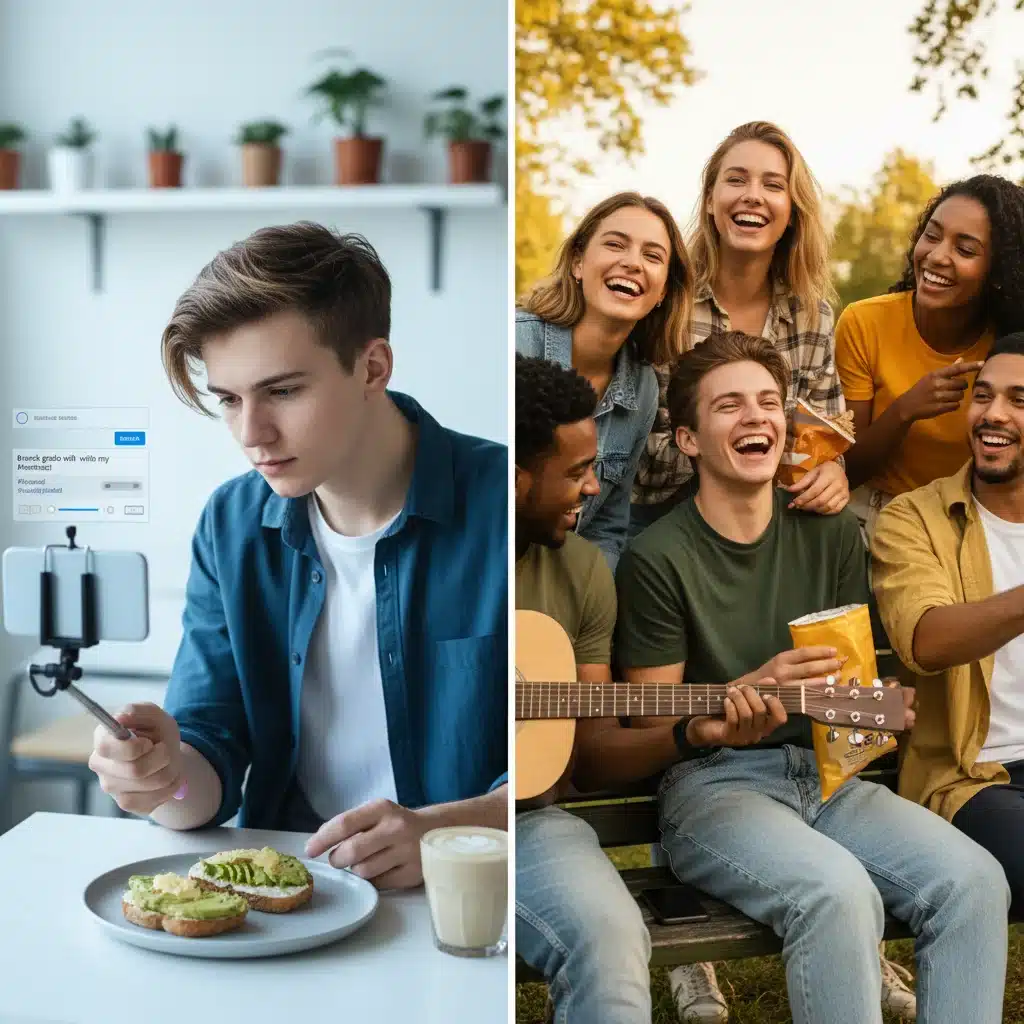
For years, social media was dominated by an aspiration economy, where perfectly curated feeds and idealized lives were the norm. Influencers showcased flawless routines, luxury products, and unattainable lifestyles. However, Gen Z, a generation acutely aware of manufactured realities, is leading a powerful counter-movement: the demand for authenticity. This isn’t just a preference; it’s a core tenet of their digital identity. They are wary of overly polished content and can quickly spot inauthenticity, leading to a decline in trust for traditional influencers.
The rise of ‘de-influencing’ is a testament to this trend. Instead of promoting products, de-influencers actively advise against purchases, highlight product flaws, or suggest more affordable and realistic alternatives. This shift reflects Gen Z’s desire for genuine recommendations and a rejection of consumerism driven by unrealistic expectations. Platforms like TikTok have become fertile ground for this movement, where raw, unedited, and often humorous content thrives. Users are more likely to engage with creators who share their struggles, vulnerabilities, and everyday experiences, fostering a sense of relatability and trust that glossy perfection simply cannot achieve.
Anúncios
Brands that fail to adapt to this demand for authenticity risk alienating this powerful demographic. Gen Z values transparency, real-world experiences, and content that resonates with their lived realities. This means moving beyond highly produced ad campaigns to embrace user-generated content, behind-the-scenes glimpses, and collaborations with micro-influencers who genuinely align with their brand values. The future of social media engagement for Gen Z lies in fostering genuine connections, not just promoting products.
2. The Fragmentation of Platforms and Rise of Niche Communities
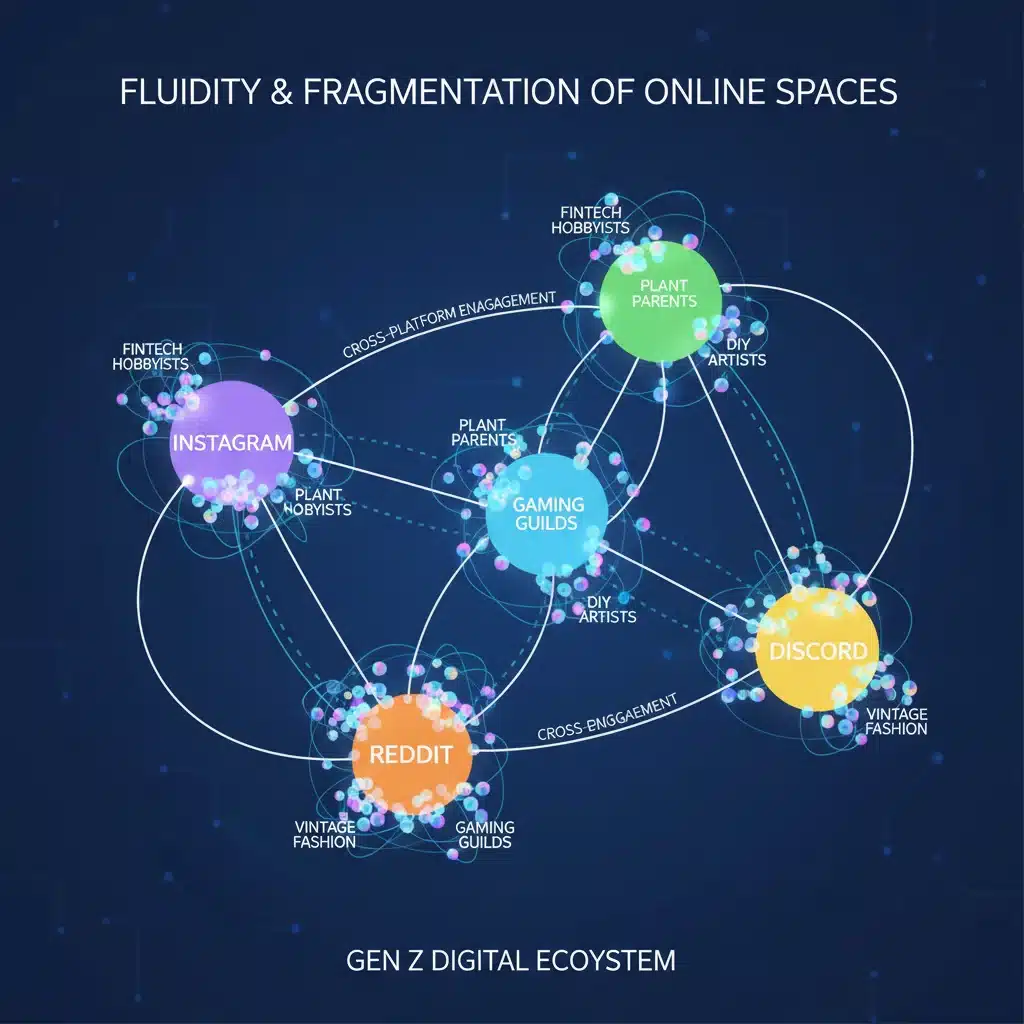
While Facebook and Instagram once dominated the social media landscape, Gen Z’s engagement is far more fragmented. They are digital polyglots, seamlessly moving between a diverse array of platforms, each serving a specific purpose and catering to distinct interests. TikTok remains a powerhouse for short-form video and trend discovery, but platforms like Discord, Reddit, and even specialized forums and private messaging apps are becoming increasingly vital for fostering deeper, more intimate connections.
This fragmentation isn’t random; it’s driven by a desire for niche communities where individuals can connect over shared passions, hobbies, or identities without the pressure of performing for a broad audience. Gen Z often seeks out smaller, more curated spaces where they feel a stronger sense of belonging and can engage in more meaningful conversations. For instance, a Gen Zer might use TikTok for entertainment, Instagram for visual inspiration, Discord for gaming communities, and Reddit for in-depth discussions on specific topics.
The implication here is that a ‘one-size-fits-all’ social media strategy is no longer effective. To genuinely engage with Gen Z, brands and content creators must understand where their target audience congregates and tailor their content to the specific nuances and cultural codes of each platform. This also means recognizing that Gen Z’s digital identity isn’t singular but a multifaceted construct, expressed differently across various online spaces. The era of the monolithic social media platform is over; the future belongs to diverse, purpose-driven digital ecosystems.
3. Enhanced Privacy Concerns and the Shift to Dark Social
Despite growing up online, Gen Z is arguably the most privacy-conscious generation to date. They have witnessed countless data breaches, privacy scandals, and the pervasive tracking mechanisms of advertising technology. This awareness has cultivated a healthy skepticism towards sharing personal information publicly, leading to a significant shift towards ‘dark social’ – communication that occurs on private channels like direct messages, encrypted messaging apps (WhatsApp, Signal, Telegram), and private group chats.
This move isn’t about disappearing entirely from public view but rather about controlling the narrative and who has access to their digital identity. Gen Z is highly selective about what they share publicly versus privately. They understand that what goes online can stay online forever, impacting their future careers, relationships, and reputation. Consequently, public social media profiles often serve as curated storefronts, while genuine, unfiltered interactions are reserved for trusted inner circles.
For businesses, this trend presents a challenge. ‘Dark social’ interactions are harder to track and measure, making traditional marketing analytics less effective. However, it also presents an opportunity for brands that prioritize privacy and build trust. By offering secure communication channels, transparent data policies, and respecting user autonomy, companies can foster deeper loyalty with Gen Z. The emphasis shifts from broad public reach to cultivating strong, private community connections and word-of-mouth advocacy within these trusted spaces.
4. Visual Communication Dominance and the Rise of Immersive Experiences
Gen Z communicates predominantly through visuals. From short-form videos and memes to emojis and infographics, visual content is their primary language. Text-heavy posts often get overlooked in favor of dynamic, engaging visual narratives. This preference extends beyond passive consumption to active creation, with tools for video editing, graphic design, and augmented reality (AR) filters becoming integral to their digital expression.
Looking towards mid-2026, this trend is only accelerating with the increasing prevalence of immersive experiences. While the metaverse is still in its nascent stages, elements of it are already influencing Gen Z’s social media engagement. AR filters on Snapchat and Instagram, virtual concerts, and interactive gaming environments are just a few examples of how this generation is embracing more engaging and experiential digital interactions. Their digital identity is increasingly expressed not just through what they post, but how they interact within these rich, simulated environments.
Brands and platforms must prioritize visual storytelling and explore opportunities for immersive content. This includes investing in high-quality video production, experimenting with AR/VR technologies, and understanding the aesthetics and visual language that resonate with Gen Z. Simply put, if your content isn’t visually compelling and interactive, it risks becoming invisible to this highly visual demographic. The future of engaging Gen Z involves creating worlds, not just posts.
5. Social Media as a Tool for Social Impact and Activism
Gen Z is a generation deeply concerned with social justice, environmental issues, and political change. Unlike previous generations, they don’t separate their online lives from their real-world activism. For them, social media is a powerful tool for raising awareness, mobilizing support, and driving social impact. Their digital identity is often intertwined with their advocacy, using their platforms to amplify voices, share information, and organize collective action.
From climate change protests to racial justice movements, Gen Z has demonstrated an unparalleled ability to leverage social media for tangible change. They are adept at creating viral campaigns, utilizing hashtags effectively, and holding institutions accountable. This means that brands and public figures are under increased scrutiny. Gen Z expects companies to take a stand on important issues, demonstrate corporate social responsibility, and align their values with their actions. Silence or performative activism is often met with swift backlash.
For those looking to connect with Gen Z, understanding their commitment to social impact is paramount. This isn’t about jumping on bandwagons but about genuinely integrating social responsibility into core business practices and communicating these efforts authentically. Engagement with Gen Z increasingly requires demonstrating a clear purpose beyond profit, showing how a brand contributes positively to the world. Their digital identity is not just about who they are, but what they stand for.
Implications for Brands and Content Creators
Navigating the complex and dynamic landscape of Gen Z’s social media engagement requires a fundamental shift in strategy. The traditional top-down marketing approach is largely ineffective. Instead, success hinges on understanding and adapting to these five key trends:
- Embrace Authenticity: Prioritize genuine content, foster real connections, and be transparent. Move away from overly polished perfection and embrace vulnerability.
- Diversify Your Presence: Don’t put all your eggs in one social media basket. Understand the unique ecosystems of different platforms and tailor content for niche communities.
- Prioritize Privacy and Trust: Respect user data, offer secure communication, and build relationships based on trust, especially in ‘dark social’ spaces.
- Master Visual and Immersive Storytelling: Invest in high-quality visual content, short-form video, and explore opportunities for AR/VR and interactive experiences.
- Align with Social Values: Demonstrate genuine commitment to social and environmental causes. Authentically integrate purpose into your brand identity and actions.
The future of social media engagement with Gen Z is not about chasing trends but about understanding the underlying values that drive their digital identity. This generation is savvy, discerning, and powerful. They demand more than just products or entertainment; they seek connection, authenticity, purpose, and a digital world that reflects their values. By mid-2026, those who successfully adapt to these shifts will be best positioned to thrive in the ever-evolving digital sphere.
The Evolving Definition of Digital Identity for Gen Z
It’s important to reiterate that for Gen Z, digital identity is not a separate entity from their real-world identity; it’s an extension and often an integral part of it. The lines between online and offline are increasingly blurred. Their online interactions, the communities they join, the content they create, and the causes they support all contribute to a holistic sense of self. This integrated identity means that negative online experiences can have profound real-world impacts, and vice-versa.
The pressure to maintain multiple personas across different platforms, while striving for authenticity, can be a significant source of stress. This is why the move towards niche communities and private channels is so crucial – it allows for a more relaxed, genuine expression of self without the constant performance anxiety of public platforms. Understanding this psychological aspect of their digital identity is key to fostering positive and engaging online environments.
Furthermore, their digital identity is fluid and constantly evolving. Unlike previous generations who might have established a relatively stable online presence, Gen Z is comfortable with experimentation. They might reinvent their aesthetic, shift their interests, or even adopt new online personas as they grow and explore. This fluidity requires platforms and content creators to be adaptable and to avoid pigeonholing this dynamic demographic.
Challenges and Opportunities Ahead
While these trends offer clear pathways for engagement, they also present challenges. The fragmented nature of platforms means increased effort in content creation and distribution. The demand for authenticity requires consistent, genuine effort rather than superficial campaigns. The emphasis on privacy necessitates innovative approaches to data collection and analysis, moving away from intrusive tracking towards consent-driven, value-exchange models.
However, these challenges are fertile ground for innovation. Brands that embrace transparency, empower user-generated content, and invest in immersive, purpose-driven experiences will not only capture Gen Z’s attention but also build lasting loyalty. The opportunity lies in becoming a trusted partner in their digital journey, rather than just another voice vying for their attention.
The rapid pace of technological change also means that new platforms and communication methods will undoubtedly emerge. Staying agile, continuously researching, and being open to experimentation will be critical. The successful strategy for engaging Gen Z in mid-2026 and beyond will not be static; it will be one of continuous learning and adaptation.
Conclusion: The Future is Authentic, Fragmented, and Purpose-Driven
By mid-2026, Gen Z’s digital identity will be more defined by authenticity, deeply embedded within niche online communities, and fiercely protective of personal privacy. Their social media engagement will be visually driven, increasingly immersive, and inextricably linked to their desire for social impact. For anyone seeking to connect with this pivotal generation in the United States, understanding these five core trends is not optional; it’s foundational.
The era of passive consumption and curated perfection is waning. In its place, a new digital landscape is emerging—one built on genuine connection, shared values, and active participation. Brands, platforms, and individuals who recognize and adapt to these shifts will not only succeed in engaging Gen Z but will also contribute to shaping a more meaningful and impactful digital future for everyone.
The journey to understanding Gen Z’s digital identity is ongoing, but by focusing on these key trends, we can better navigate the complexities and harness the immense potential of this digitally native generation.