The Metaverse in 2026: Cultural Integration and US Adoption Rates
Anúncios
The Metaverse in 2026: Cultural Integration and US Adoption Rates Across Demographics
The concept of the metaverse, once a distant sci-fi dream, is rapidly solidifying into a tangible, albeit evolving, digital reality. As we approach 2026, the question is no longer "if" the metaverse will become mainstream, but "how" deeply it will integrate into our cultural fabric and "who" will be its primary adopters across the United States. This comprehensive analysis delves into the projected cultural integration and adoption rates of the metaverse, examining the diverse demographic landscapes that will shape its future.
The metaverse, in its broadest definition, refers to a persistent, online, 3D virtual environment that allows users to interact with each other and with digital objects. It encompasses a spectrum of technologies, including virtual reality (VR), augmented reality (AR), artificial intelligence (AI), and blockchain. By 2026, we anticipate significant advancements in these underlying technologies, making the metaverse more accessible, immersive, and compelling for a wider audience. Understanding the nuances of metaverse cultural adoption is crucial for businesses, policymakers, and individuals alike.
Anúncios
Defining Metaverse Cultural Adoption
Before diving into statistics and projections, it’s essential to define what constitutes "cultural adoption" in the context of the metaverse. It’s more than just owning a VR headset or playing a metaverse game. Cultural adoption signifies a profound shift where metaverse experiences become an integral part of daily life, influencing social interactions, work, education, entertainment, and even commerce. It implies a widespread acceptance and normalization of virtual identities and digital ownership. The degree of metaverse cultural adoption will vary significantly across different segments of the population.
This integration can manifest in several ways:
Anúncios
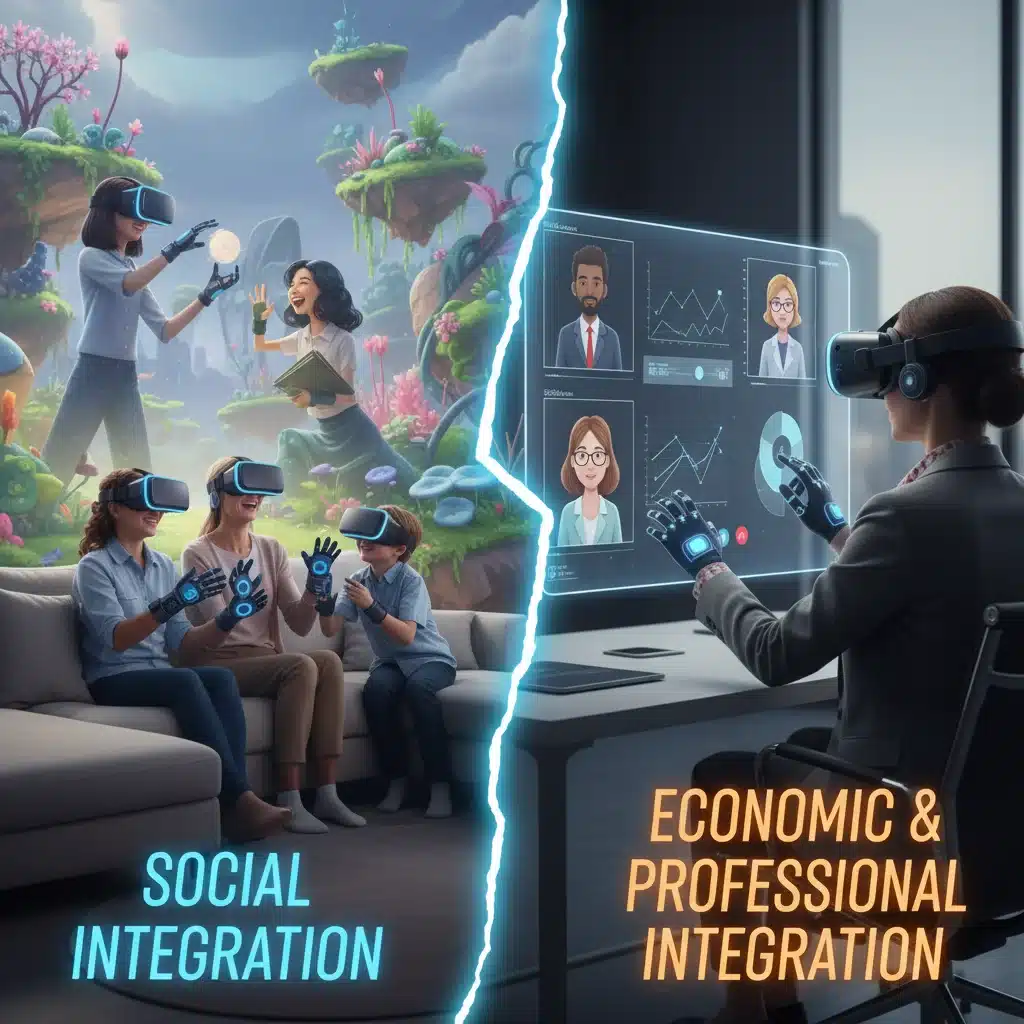
- Social Cohesion: People regularly connecting with friends and family in virtual spaces, attending virtual concerts, or participating in digital communities.
- Economic Activity: The rise of digital economies within the metaverse, including buying and selling NFTs, virtual real estate, and digital goods/services.
- Educational Transformation: Immersive learning experiences, virtual classrooms, and skill development through metaverse platforms.
- Professional Engagement: Virtual offices, collaborative workspaces, and networking events becoming commonplace.
- Creative Expression: Individuals and artists creating and sharing digital art, fashion, and experiences within the metaverse.
By 2026, we expect to see a blend of these elements contributing to the overall metaverse cultural adoption landscape.
Technological Advancements Driving Adoption by 2026
The rapid evolution of hardware and software is a primary catalyst for increased metaverse engagement. By 2026, several key technological advancements will have matured, making the metaverse more appealing and accessible:
- Improved VR/AR Hardware: Lighter, more comfortable, and more affordable VR headsets with higher resolution displays and wider fields of view will be common. AR glasses, offering seamless integration of digital information into the real world, will also see increased consumer availability.
- Enhanced Interoperability: While a fully unified metaverse remains a long-term goal, significant strides will be made in interoperability between different platforms. This means avatars, digital assets, and identities will be more easily transferable across various virtual worlds, reducing friction for users.
- 5G and Edge Computing: Widespread 5G coverage and advancements in edge computing will reduce latency and improve bandwidth, crucial for real-time, immersive metaverse experiences. This will enable more complex interactions and richer graphical environments.
- AI Integration: AI will power more realistic and responsive NPCs (non-player characters), intelligent virtual assistants, and dynamic content generation within the metaverse, enhancing user engagement and personalization.
- Haptic Feedback and Sensory Immersion: While still nascent, haptic technologies will offer more sophisticated tactile feedback, allowing users to "feel" digital objects and interactions, further blurring the lines between the physical and virtual.
These technological leaps will collectively lower the barriers to entry and enhance the quality of experience, directly impacting metaverse cultural adoption rates.
US Demographics and Metaverse Adoption: A Deep Dive
The United States, with its diverse population and strong technological infrastructure, is a crucial battleground for metaverse adoption. We can analyze adoption rates through the lens of various demographic segments:
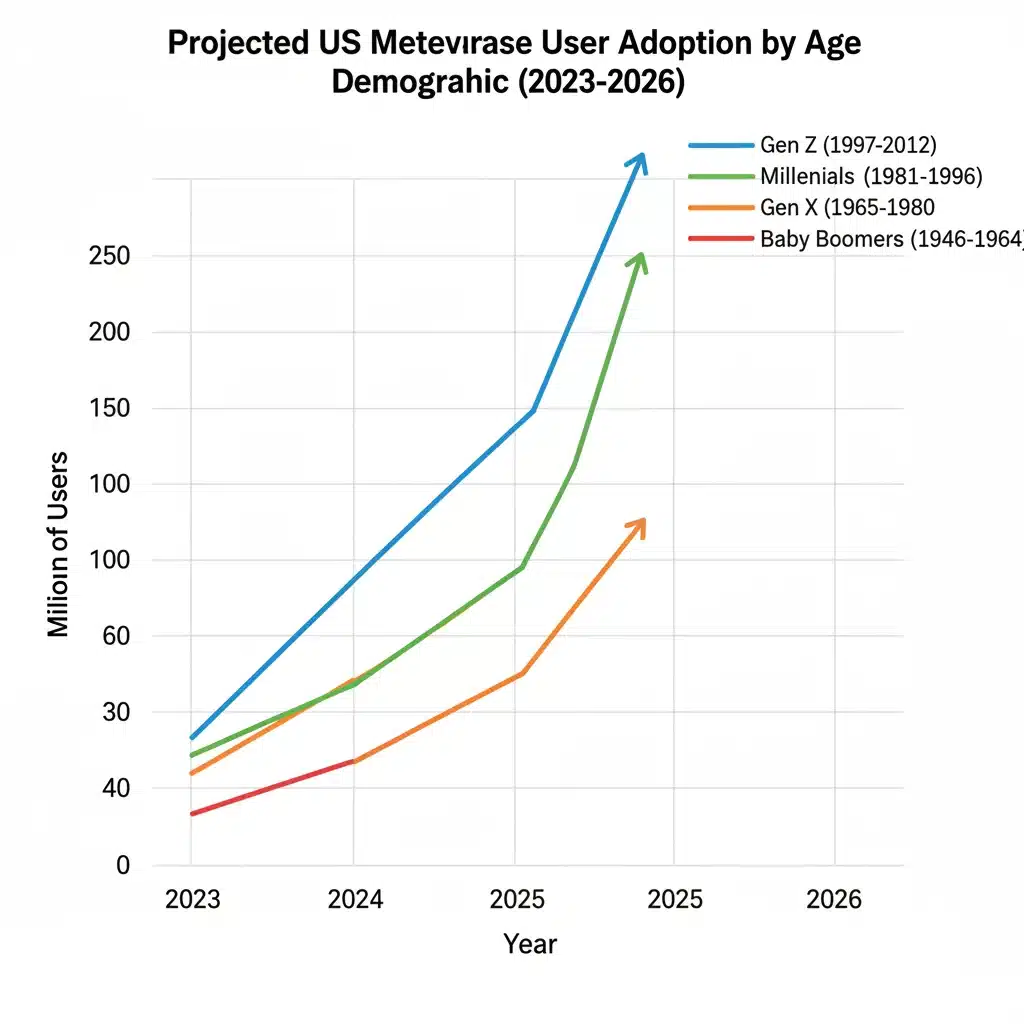
Gen Z (Born 1997-2012)
Gen Z is arguably the most "metaverse-native" generation. Having grown up with digital platforms, online gaming, and social media, they are inherently comfortable with virtual identities and digital interactions. By 2026, their metaverse cultural adoption will be characterized by:
- High Engagement in Social VR: Platforms like Roblox, Fortnite (which already exhibit metaverse-like qualities), and dedicated social VR spaces will be primary hangouts.
- Digital Economies and Creator Culture: Gen Z will be active participants in creating and monetizing digital content, from virtual fashion to user-generated experiences.
- Education and Skill Development: They will increasingly leverage metaverse platforms for immersive learning and career preparation.
- Brand Interaction: Expect Gen Z to engage with brands through virtual storefronts, immersive advertising, and digital product launches within the metaverse.
Their early adoption will set trends and influence the broader perception of the metaverse.
Millennials (Born 1981-1996)
Millennials, often early adopters of new technologies, are poised for significant metaverse cultural adoption, particularly as the technology matures and offers practical applications. By 2026, their engagement will be driven by:
- Work and Professional Collaboration: Virtual meetings, collaborative design spaces, and remote work environments in the metaverse will appeal to this demographic, especially those in tech-forward industries.
- Parenting and Family Entertainment: As many Millennials are parents, they will explore family-friendly metaverse experiences and educational content for their children.
- Financial and Investment Opportunities: Interest in NFTs, virtual real estate, and decentralized finance (DeFi) within the metaverse will grow among financially savvy millennials.
- Nostalgia and Niche Communities: They will seek out virtual spaces that align with their interests, hobbies, and social groups, including nostalgic revivals of past digital experiences.
Millennials will bridge the gap between early adopters and mainstream acceptance, influencing the "adulting" aspects of the metaverse.
Gen X (Born 1965-1980)
Gen X’s metaverse cultural adoption will be more selective, driven by practical utility and specific interests rather than sheer novelty. By 2026, their engagement will likely focus on:
- Professional Networking and Skill Enhancement: Using metaverse platforms for industry conferences, training simulations, and professional development.
- Specialized Hobbies and Interests: Engaging in virtual communities related to their passions, such as virtual car shows, art galleries, or historical recreations.
- Health and Wellness: Exploring VR fitness, meditation, or therapeutic applications within the metaverse.
- Connecting with Younger Generations: Some Gen Xers will engage to better understand and connect with their Gen Z and Millennial children.
Accessibility, ease of use, and a clear value proposition will be key to unlocking greater adoption within this group.
Baby Boomers (Born 1946-1964)
While often perceived as less tech-savvy, Baby Boomers represent a significant demographic with increasing digital literacy. Their metaverse cultural adoption by 2026 will be the slowest but could still be impactful, particularly in areas like:
- Social Connection and Combating Isolation: For those with limited mobility or geographic separation from loved ones, the metaverse offers new avenues for social interaction and connection.
- Virtual Tourism and Exploration: Experiencing travel and cultural sites virtually without physical limitations.
- Lifelong Learning: Engaging in educational content, virtual lectures, and skill-building activities.
- Healthcare Applications: Remote consultations, therapeutic environments, and cognitive exercises within the metaverse.
User-friendly interfaces, intuitive controls, and a focus on meaningful interactions will be critical for this demographic.
Factors Influencing Metaverse Cultural Adoption
Beyond demographic segmentation, several overarching factors will dictate the pace and depth of metaverse cultural adoption:
1. Accessibility and Affordability
The cost of hardware (VR headsets, powerful PCs) and the internet infrastructure required for a seamless experience remain significant barriers. As hardware becomes more affordable and internet access more ubiquitous and faster (e.g., 5G), adoption will accelerate. User-friendly interfaces that don’t require extensive technical knowledge will also be crucial.
2. Content Quality and Diversity
The "killer app" for the metaverse is not one single application but a diverse ecosystem of compelling content. This includes high-quality games, engaging social experiences, valuable educational platforms, and innovative professional tools. The more diverse and high-quality the content, the more reasons people will have to engage, driving metaverse cultural adoption.
3. Data Privacy and Security
Concerns about data privacy, digital identity theft, and online harassment are paramount. Robust security protocols, transparent data policies, and effective moderation tools will be essential to build trust and encourage widespread participation. A secure and ethical metaverse is a prerequisite for broad cultural acceptance.
4. Interoperability and Open Standards
A fragmented metaverse, where assets and identities are locked into proprietary platforms, will hinder adoption. Progress towards open standards and interoperability will allow users to move seamlessly between different virtual worlds, fostering a more cohesive and user-centric experience, thus accelerating metaverse cultural adoption.
5. Cultural Norms and Social Acceptance
Like any new technology, the metaverse will face initial skepticism. However, as more people experience its benefits and as virtual interactions become more normalized, societal acceptance will grow. Media representation, celebrity endorsement, and widespread positive user experiences will play a role in shaping cultural norms around the metaverse.
The Economic Impact of Metaverse Cultural Adoption by 2026
The increasing metaverse cultural adoption will have profound economic implications. By 2026, we can expect:
- Growth in the Creator Economy: A surge in demand for digital artists, designers, developers, and community managers specializing in metaverse content.
- New Business Models: Companies will increasingly leverage the metaverse for marketing, customer service, product development, and internal operations. Virtual storefronts, immersive advertising, and digital product launches will become standard.
- Virtual Real Estate and Digital Assets: The market for virtual land, NFTs, and other digital collectibles will continue to mature, attracting both individual investors and institutional players.
- Job Creation: The metaverse ecosystem will generate new job categories, from metaverse architects and experience designers to virtual event planners and digital economists.
- Retail and E-commerce Transformation: Immersive shopping experiences, virtual try-ons, and direct-to-avatar sales will redefine retail.
These economic shifts will further entrench the metaverse into daily life, reinforcing its cultural significance.
Societal Implications of Widespread Metaverse Engagement
As metaverse cultural adoption deepens, society will experience significant transformations:
Redefining Social Interaction
The metaverse offers new ways to connect, fostering communities based on shared interests rather than geographic proximity. While this can enhance social bonds, it also raises questions about the nature of "real" human connection and potential for increased digital isolation if not managed thoughtfully. By 2026, we will see a clearer picture of how virtual social spaces complement or compete with physical ones.
Education and Training Revolution
Immersive learning environments can revolutionize education, making complex subjects more engaging and accessible. From virtual field trips to surgical training simulations, the metaverse has the potential to democratize access to high-quality education and skill development, directly impacting workforce readiness and lifelong learning initiatives.
Mental Health and Well-being
The metaverse presents both opportunities and challenges for mental health. It can provide therapeutic environments, support groups, and a sense of belonging for individuals who feel isolated in the physical world. However, concerns about digital addiction, cyberbullying, and body image issues (related to avatars) will require careful consideration and ethical design. Understanding these dynamics is crucial for fostering positive metaverse cultural adoption.
Identity and Self-Expression
Avatars allow for unprecedented levels of self-expression and identity exploration. Users can craft personas that may differ from their physical selves, leading to new forms of social interaction and self-discovery. This fluidity of identity can be empowering but also brings complexities regarding authenticity and representation.
Challenges and Mitigations for 2026
Despite the optimistic projections for metaverse cultural adoption, several challenges must be addressed:
- Digital Divide: Ensuring equitable access to hardware and high-speed internet for all demographics, preventing a new form of digital inequality.
- Ethical Governance: Developing clear rules and regulations for behavior, content moderation, and data ownership within decentralized virtual spaces.
- User Experience: Overcoming issues like motion sickness, complex interfaces, and lack of intuitive navigation that can deter new users.
- Energy Consumption: Addressing the significant energy demands of running persistent, graphically rich virtual worlds and blockchain infrastructure.
- Monopolization: Preventing a few large corporations from dominating the metaverse, ensuring a diverse and open ecosystem.
Addressing these challenges proactively will be crucial for sustainable and inclusive metaverse cultural adoption.
Conclusion: The Future is Immersive
By 2026, the metaverse will have moved beyond its nascent stages to become a significant, albeit still evolving, cultural force in the United States. While Gen Z and Millennials will lead the charge in metaverse cultural adoption, driven by social connection, economic opportunities, and immersive experiences, older generations will also find niche applications that enhance their lives, particularly in areas of education, health, and social engagement.
The depth of integration will depend on continued technological innovation, the development of compelling and diverse content, robust privacy and security measures, and a commitment to interoperability. As the lines between our physical and digital lives increasingly blur, the metaverse stands ready to redefine how we work, play, learn, and connect. The journey towards widespread metaverse cultural adoption is not without its hurdles, but the potential for transformative societal impact is undeniable. Businesses and individuals who understand and adapt to this evolving digital frontier will be best positioned to thrive in the immersive future.