Wearable Tech’s Cultural Shift: 2026 Forecast for US Health, Fashion & Identity
Anúncios
The Cultural Impact of Wearable Tech: A 2026 Forecast for Health, Fashion, and Identity in the US (RECENT UPDATES)
The pervasive march of technology into every facet of our lives is undeniable. Among the most transformative advancements, wearable technology stands out, subtly yet profoundly reshaping our daily experiences. From smartwatches tracking our sleep to augmented reality glasses enhancing our perception, these devices are no longer mere gadgets; they are extensions of ourselves. This article delves into the anticipated wearable tech cultural impact in the United States by 2026, offering a comprehensive forecast across three critical domains: health, fashion, and identity. We will explore how these innovative devices are not just changing what we do, but fundamentally altering who we are and how we interact with the world around us.
Anúncios
As we approach 2026, the evolution of wearable technology continues at an accelerated pace. What began as novelty items for early adopters has blossomed into a mainstream phenomenon, deeply embedded in the cultural fabric of the nation. The US market, known for its rapid adoption of new technologies, is at the forefront of this revolution. Understanding the nuanced wearable tech cultural impact requires looking beyond the technical specifications and into the societal shifts they provoke. How will our perception of privacy change? What new social norms will emerge? And how will these devices redefine personal expression?
This forecast is not merely a prediction; it’s an exploration of the forces at play, the trends taking shape, and the potential futures that await us. We will consider the ethical dilemmas, the economic opportunities, and the profound personal transformations that wearable technology promises. By 2026, the line between human and machine will blur further, making the wearable tech cultural impact a topic of paramount importance for individuals, industries, and policymakers alike.
Health and Wellness: The Quantified Self as the New Normal
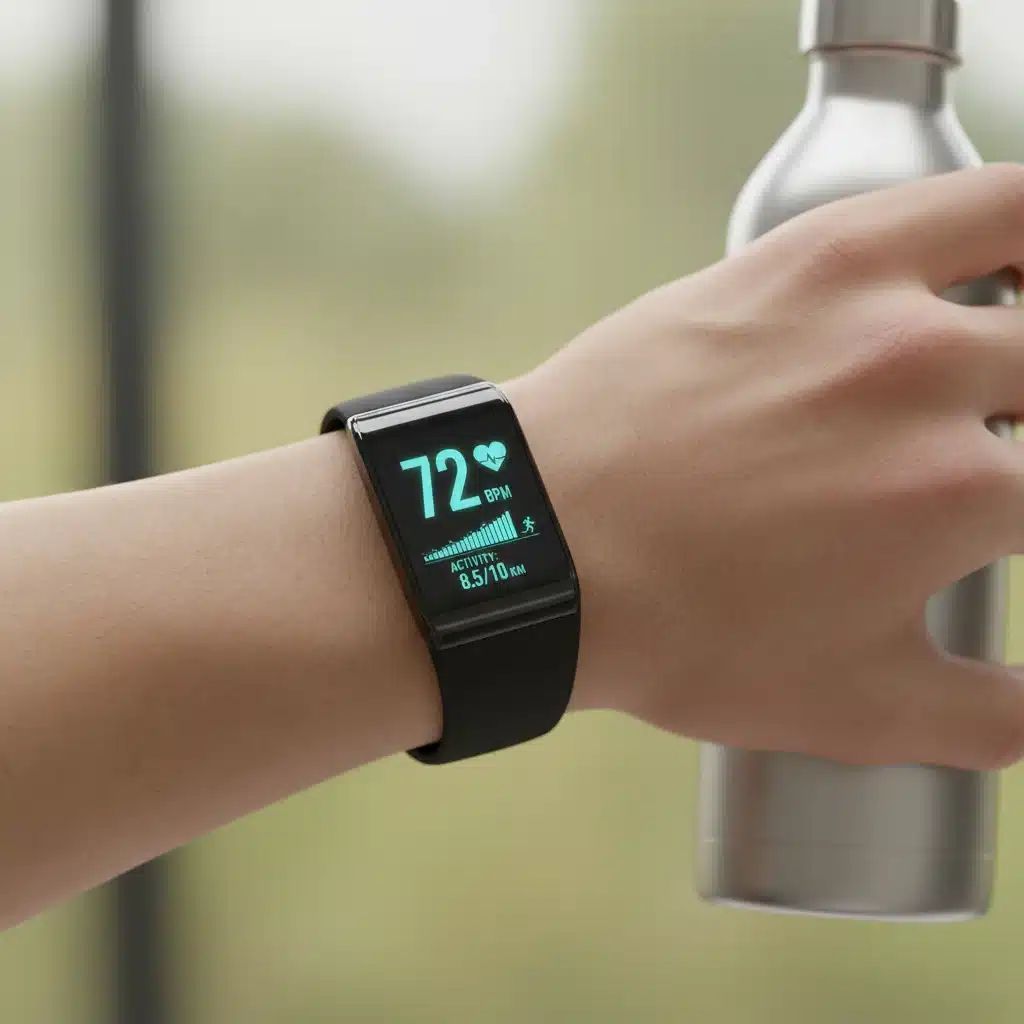
The health and wellness sector has been one of the primary beneficiaries and drivers of wearable technology adoption. By 2026, the concept of the ‘quantified self’ will transcend niche communities to become a widespread cultural norm. Wearable devices, from advanced smartwatches to smart rings and continuous glucose monitors, will offer an unprecedented level of personal health data, empowering individuals to take proactive roles in their well-being. This profound wearable tech cultural impact on health will redefine our relationship with our bodies and medical professionals.
Anúncios
Preventative Care and Early Detection
One of the most significant shifts will be the move from reactive to proactive healthcare. Wearables capable of monitoring vital signs, sleep patterns, activity levels, and even stress indicators will provide continuous data streams. This constant surveillance will enable early detection of potential health issues, often before symptoms manifest. Imagine a world where a smartwatch alerts you to an irregular heartbeat, prompting an early visit to a cardiologist, potentially preventing a serious cardiac event. This preventative approach will reduce healthcare costs and improve overall public health outcomes. The cultural expectation will shift; not wearing a device that monitors your health might be seen as an oversight, impacting personal and even professional spheres where health consciousness is valued.
Personalized Wellness and Fitness
Beyond disease prevention, wearables will drive hyper-personalized wellness and fitness regimes. AI-powered algorithms will analyze individual data to recommend tailored exercise plans, nutritional advice, and mindfulness practices. Fitness trackers will evolve into sophisticated personal health coaches, adapting to our progress and preferences. This level of personalization will foster a culture of optimized self-care, where every aspect of one’s physical and mental well-being is meticulously tracked and improved. The wearable tech cultural impact here is about fostering a society that is not just healthier but also more acutely aware of the intricate connection between lifestyle choices and long-term health.
The Role of Healthcare Providers
The relationship between patients and healthcare providers will also undergo a significant transformation. Doctors will have access to continuous, real-world data from their patients, allowing for more informed diagnoses and treatment plans. Telemedicine will be further augmented by wearable data, enabling remote monitoring and consultations. However, this also raises questions about data privacy, security, and the potential for information overload. The cultural challenge will be to establish ethical guidelines and regulatory frameworks that ensure patient data is used responsibly, fostering trust in this new paradigm of data-driven healthcare.
Mental Health Monitoring and Support
The wearable tech cultural impact will extend deeply into mental health. Devices capable of tracking stress levels through heart rate variability, sleep quality, and even voice analysis will provide early warnings for mental health decline. Apps integrated with these wearables will offer guided meditations, breathing exercises, and connections to mental health professionals. This normalization of mental health monitoring will help destigmatize mental health issues, encouraging more open conversations and proactive interventions. By 2026, a holistic view of health, encompassing both physical and mental well-being, will be reinforced by wearable technologies.
Fashion and Style: Wearables as the Ultimate Accessory
Fashion has always been a powerful expression of identity and belonging. By 2026, wearable technology will seamlessly integrate into our wardrobes, transforming from conspicuous gadgets into indispensable elements of personal style. The wearable tech cultural impact on fashion will blur the lines between aesthetics and functionality, creating a new era of smart apparel and accessories.
Discreet Integration and Aesthetic Appeal
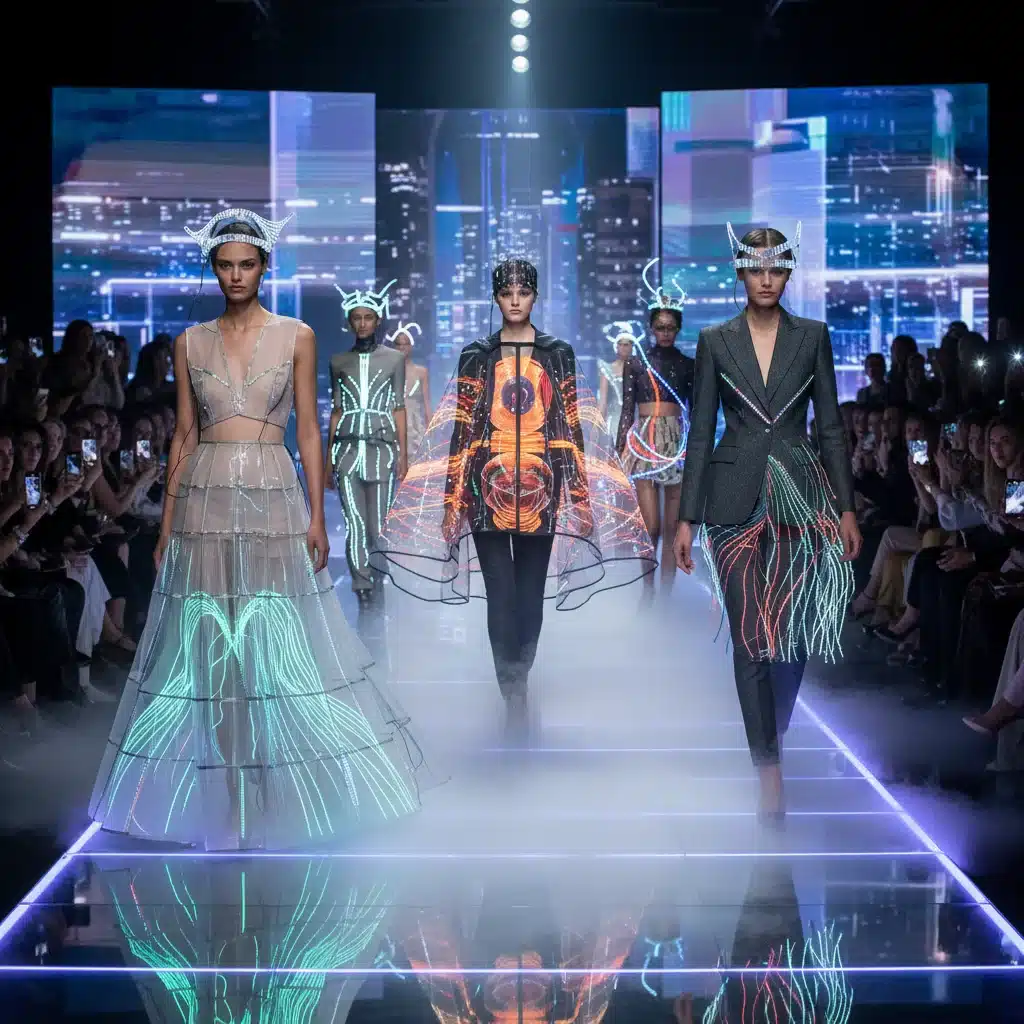
Early wearables often prioritized function over form, leading to bulky or unappealing designs. However, as technology miniaturizes and design principles evolve, wearables are becoming increasingly discreet and aesthetically pleasing. Smart jewelry, embedded sensors in fabrics, and augmented reality glasses that resemble stylish eyewear will become commonplace. High-fashion brands are already experimenting with smart textiles and interactive garments, signaling a future where technology is not just worn, but woven into the very fabric of our clothes. This integration will make wearable technology an essential component of personal branding and fashion statements.
Customization and Personal Expression
The future of fashion will be highly personalized, with wearables offering unprecedented opportunities for customization. Imagine clothing that changes color or pattern based on your mood, environment, or even your social media feed. Smart shoes that adapt their cushioning to your gait, or accessories that display dynamic digital art. This level of personalization will allow individuals to express their identity in novel and dynamic ways, making the wearable tech cultural impact a powerful force for individual expression. The ability to update and change the look and function of one’s attire with a simple tap will revolutionize how we consume and interact with fashion.
Sustainability and Smart Materials
Wearable technology also holds the potential to address growing concerns about sustainability in the fashion industry. Smart materials that can self-clean, regulate temperature, or even repair themselves will reduce the need for frequent washing and replacement of garments. Devices that monitor environmental conditions or track energy consumption will foster a more eco-conscious lifestyle. This aspect of the wearable tech cultural impact aligns with a global shift towards more sustainable practices, offering innovative solutions to reduce fashion’s environmental footprint.
The Blurring Lines of Fashion and Function
The distinction between fashion and functional technology will become increasingly blurred. A designer handbag might incorporate a charging station for your devices, or a stylish jacket could monitor your posture and provide haptic feedback. This convergence means that consumers will expect their fashion choices to offer more than just aesthetic appeal; they will demand utility and intelligence. This will push designers to innovate, creating products that are both beautiful and smart, further solidifying the wearable tech cultural impact on our daily attire.
Identity and Social Interaction: Redefining Self in the Digital Age
Perhaps the most profound and complex wearable tech cultural impact will be on our sense of identity and how we interact socially. As these devices become more integral to our lives, they will shape our perception of self, influence our relationships, and even alter the nature of human connection.
Augmented Reality and Enhanced Perception
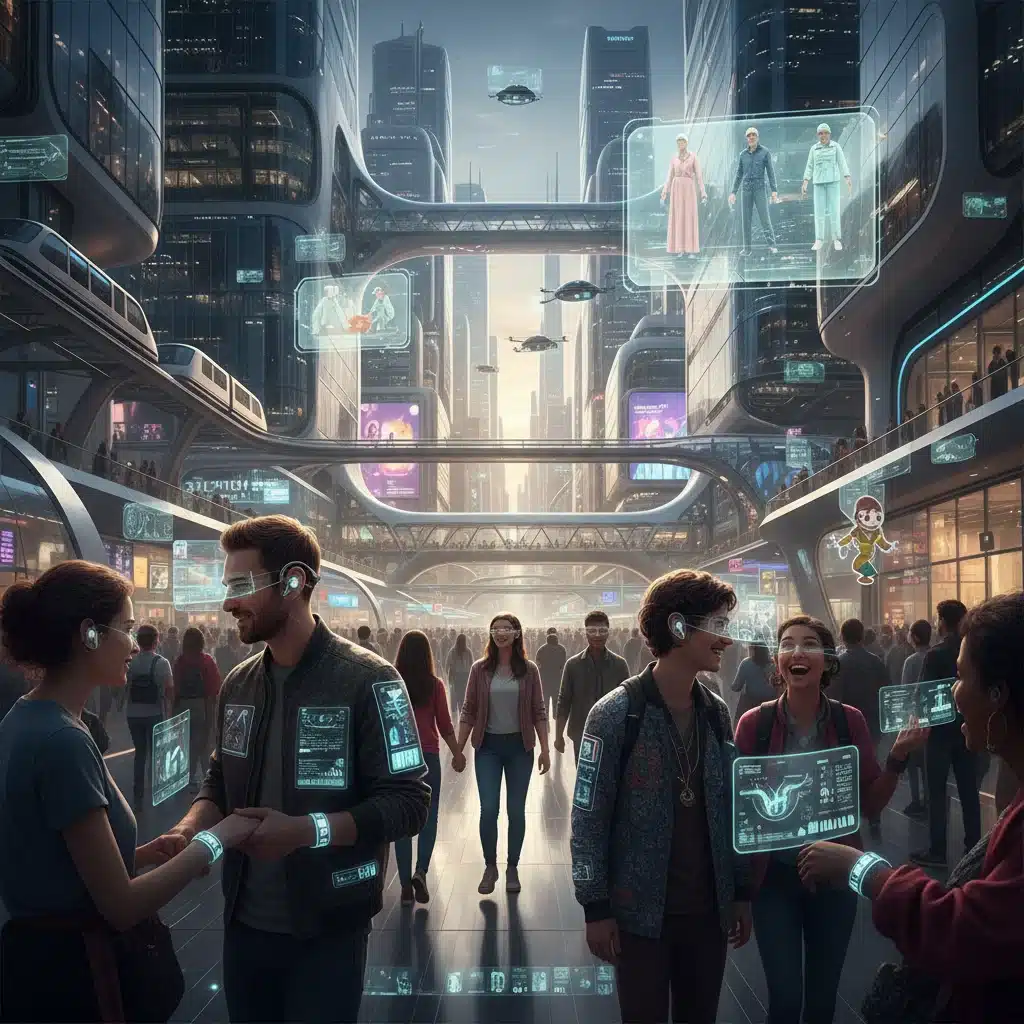
Augmented reality (AR) wearables, such as smart glasses, will overlay digital information onto our physical world, fundamentally changing how we perceive and interact with our surroundings. Imagine navigating a city with real-time directions superimposed on your vision, or instantly accessing information about people and objects around you. This enhanced perception will create new forms of social etiquette and interaction. The cultural implications are vast: how will privacy be maintained when everyone has an information overlay? How will authentic human connection evolve when digital enhancements are always present?
Digital Avatars and Personal Data Trails
Our wearable devices generate vast amounts of personal data, from biometric readings to location history and communication patterns. This data forms a digital footprint that contributes to our online identity, often more comprehensive than what we consciously share. By 2026, managing this digital avatar and the data trails we leave will become a critical aspect of personal identity. The wearable tech cultural impact here is about navigating the complexities of digital representation and understanding how our data shapes perceptions of us, both by individuals and algorithms.
Social Connectivity and New Communities
Wearables will foster new forms of social connectivity and community building. Shared fitness goals, collective health challenges, or even augmented reality games that span physical spaces will bring people together in novel ways. Devices that facilitate seamless communication, translation, or even emotional recognition could enhance empathy and understanding across different cultures. However, there’s also the risk of exacerbating digital divides or creating echo chambers, where individuals primarily interact with those who share similar data profiles or digital interests. The cultural challenge will be to leverage these technologies to build inclusive and diverse communities.
Privacy, Security, and Ethical Considerations
The increasing integration of wearables into our identity raises significant concerns about privacy and data security. Who owns our biometric data? How is it protected from misuse? What are the implications for personal autonomy and surveillance? By 2026, these ethical considerations will be at the forefront of public discourse. Governments, tech companies, and civil society organizations will need to collaborate to establish robust regulatory frameworks and ethical guidelines that protect individual rights while harnessing the benefits of wearable technology. The profound wearable tech cultural impact demands a thoughtful and proactive approach to these challenges.
The Economic and Regulatory Landscape by 2026
The profound wearable tech cultural impact is inextricably linked to the economic and regulatory landscape. By 2026, the wearable technology market is projected to be a multi-billion dollar industry, driving innovation, creating jobs, and attracting significant investment. This economic boom will, in turn, necessitate a more robust regulatory environment to address emerging challenges.
Market Growth and Investment
The US market for wearables will continue its upward trajectory, fueled by advancements in sensor technology, artificial intelligence, and battery life. Beyond consumer electronics giants, a new wave of startups specializing in niche areas like smart textiles, medical-grade wearables, and immersive AR/VR devices will emerge. Investment will flow into research and development, pushing the boundaries of what these devices can do. This vibrant economic activity will further entrench the wearable tech cultural impact, making these devices more accessible and ubiquitous.
Regulatory Frameworks and Data Governance
As wearables become more sophisticated and collect increasingly sensitive data, the need for comprehensive regulatory frameworks will become critical. By 2026, we can expect to see increased scrutiny from government bodies regarding data privacy, security, and algorithmic bias. Regulations akin to GDPR in Europe or new US-specific legislation will likely be implemented to protect consumer data and ensure transparency in how it’s collected, stored, and used. The cultural expectation will be for companies to be transparent and accountable, fostering trust in these powerful technologies.
Impact on Employment and Skills
The rise of wearable technology will also reshape the employment landscape. New roles will emerge in areas such as wearable design, data analytics for health and wellness, AR/VR content creation, and ethical AI development. However, some traditional jobs might be automated or augmented, requiring a workforce that is adaptable and continuously upskilling. The wearable tech cultural impact on employment will necessitate educational reforms and lifelong learning initiatives to prepare individuals for the jobs of the future.
Intellectual Property and Innovation
The rapid innovation in wearable technology will also bring challenges related to intellectual property. As devices become more integrated and complex, defining ownership of designs, algorithms, and data insights will be crucial. Legal frameworks will need to adapt to these new forms of innovation, ensuring that creators are protected while fostering a competitive and dynamic market. This legal and economic dance will play a significant role in shaping the ultimate wearable tech cultural impact.
Challenges and Opportunities: Navigating the Future of Wearables
While the future of wearable technology is bright with promise, it is not without its challenges. Addressing these issues proactively will be key to maximizing the positive wearable tech cultural impact and mitigating potential downsides.
Data Overload and Digital Fatigue
One potential challenge is data overload. With continuous monitoring and constant notifications, users might experience digital fatigue or anxiety. Designing wearables that provide meaningful insights without overwhelming users will be crucial. The cultural shift will involve learning to filter relevant information and setting boundaries with our devices to maintain mental well-being. Companies will need to focus on intelligent data presentation and user-centric design to prevent burnout.
Equity and Accessibility
Another critical concern is ensuring equitable access to wearable technology. If these devices become essential for health management, education, or professional success, a digital divide could emerge, exacerbating existing societal inequalities. Efforts to make wearables affordable and accessible to all demographic groups will be vital. The wearable tech cultural impact should ideally be one of empowerment for everyone, not just the privileged few.
Ethical AI and Algorithmic Bias
As AI becomes more integral to wearables, addressing algorithmic bias will be paramount. Biased data sets used to train AI could lead to discriminatory outcomes in health recommendations, social interactions, or even employment. Developers and policymakers must prioritize ethical AI development, ensuring fairness, transparency, and accountability in these powerful systems. The cultural conversation around AI ethics will intensify as wearables become more intelligent.
The Opportunity for Human Augmentation
Beyond addressing challenges, wearables offer immense opportunities for human augmentation. This isn’t just about fixing deficiencies but enhancing human capabilities. Imagine devices that improve cognitive function, enhance sensory perception, or facilitate seamless communication across language barriers. The wearable tech cultural impact could lead to a future where humans are not just supported by technology, but genuinely augmented, unlocking new potentials for individual and collective achievement. This future, however, requires careful ethical consideration and societal consensus.
Conclusion: Embracing the Wearable Future
By 2026, the wearable tech cultural impact in the United States will be undeniable and far-reaching. These devices will transcend their current status as accessories, becoming integral to our health, fashion, and sense of identity. In health, they will empower a proactive, data-driven approach to well-being, shifting the paradigm from treatment to prevention. In fashion, they will redefine personal expression, blending aesthetics with functionality and fostering sustainability. And in identity, they will challenge and reshape how we perceive ourselves and interact with the digital and physical worlds.
The journey towards this future is not without its complexities. Challenges related to privacy, data security, equity, and ethical AI will demand thoughtful solutions from innovators, policymakers, and users alike. However, the opportunities for human augmentation, personalized care, and enhanced connectivity are too significant to ignore. As we move closer to 2026, embracing the wearable future means engaging with these technologies consciously, critically, and creatively. The cultural landscape of the US is on the cusp of a profound transformation, and wearable technology will be at its very heart, redefining what it means to be human in an increasingly connected world.