Neural Interfaces: Ethical & Practical Implications for US Consumers

Anúncios
The next decade promises a technological revolution that will redefine human interaction, communication, and even our understanding of ourselves. At the forefront of this transformation are neural interfaces, often referred to as Brain-Computer Interfaces (BCIs). These groundbreaking technologies aim to create a direct communication pathway between the human brain and external devices, bypassing traditional motor output. While the concept might sound like science fiction, significant strides have been made, propelling neural interfaces from the laboratory into the realm of potential consumer products. For U.S. consumers, the ethical and practical implications of this emerging field are vast, complex, and warrant careful consideration.
Understanding the landscape of neural interface technology is the first step toward appreciating its impact. From enhancing cognitive abilities to restoring lost functions, the potential applications are staggering. However, with great power comes great responsibility, and the deployment of such intimate technology raises profound questions about privacy, autonomy, equity, and the very definition of what it means to be human in an increasingly interconnected world.
The Dawn of Neural Interface Technology: What Are They?
Neural interfaces, in their simplest form, are systems that record and/or stimulate brain activity. They can be broadly categorized into invasive and non-invasive types. Invasive BCIs involve surgical implantation of electrodes directly into the brain, offering high-resolution data but carrying inherent surgical risks. These are currently primarily used in medical applications, such as controlling prosthetic limbs for individuals with paralysis or treating neurological disorders.
Anúncios
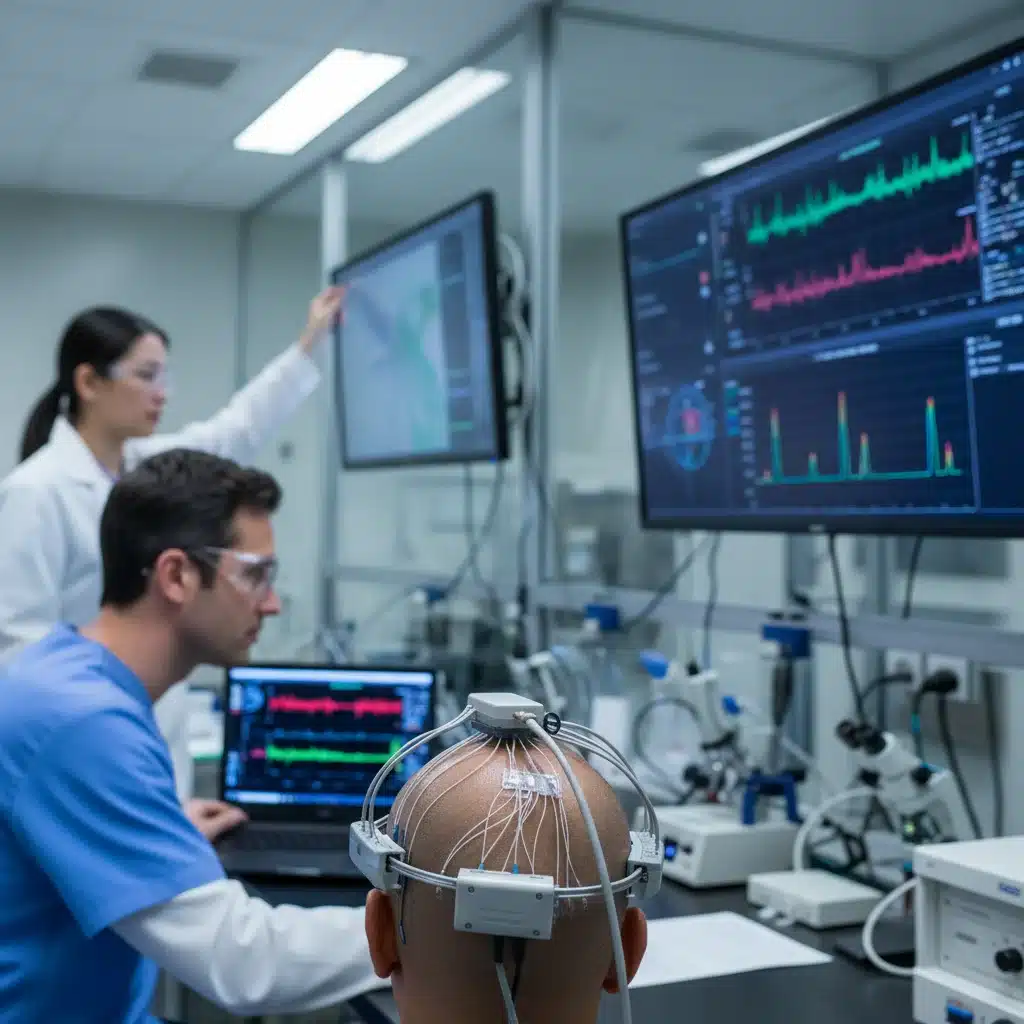
Non-invasive BCIs, on the other hand, do not require surgery. Electroencephalography (EEG) caps, which measure electrical activity from the scalp, are the most common example. While offering lower spatial resolution compared to invasive methods, they are safer, more accessible, and are increasingly being explored for consumer-grade applications like gaming, meditation aids, and cognitive training. The rapid advancements in signal processing, machine learning, and miniaturization are pushing non-invasive neural interfaces closer to mainstream adoption.
The core promise of neural interfaces lies in their ability to bridge the gap between thought and action, offering unprecedented control over technology and new avenues for human expression. Imagine typing an email simply by thinking, navigating a virtual world with your mind, or even communicating with others telepathically through a digital intermediary. These are not distant pipe dreams but potential realities within the next decade, particularly for the technologically advanced U.S. consumer market.
Anúncios
Practical Applications for U.S. Consumers in the Next Decade
The practical applications of neural interface technology for U.S. consumers are diverse, spanning multiple sectors from healthcare to entertainment and productivity. Here’s a glimpse into what the next ten years might hold:
1. Healthcare and Wellness Enhancement
Currently, medical applications are the most advanced. For individuals with severe disabilities, neural interfaces offer a lifeline. Paraplegic individuals can already control robotic arms or cursors on a screen with their thoughts, regaining a degree of independence. In the coming decade, these technologies will become more refined, affordable, and widely available. Consider:
- Advanced Prosthetics: More intuitive and responsive prosthetic limbs controlled directly by brain signals, offering a more natural feel and function.
- Communication Aids: For individuals with locked-in syndrome or severe speech impairments, neural interfaces could enable seamless thought-to-text or thought-to-speech communication.
- Neurological Disorder Treatment: Deep Brain Stimulation (DBS) is already used for Parkinson’s disease. Future neural interfaces could offer more personalized and adaptive treatments for conditions like epilepsy, depression, and chronic pain, directly modulating brain activity.
- Cognitive Enhancement: Non-invasive devices could offer personalized brain training programs, improving focus, memory, and learning capabilities for the general population. This could range from neurofeedback games to devices that subtly stimulate brain regions associated with specific cognitive functions.
- Mental Health Monitoring: Wearable neural interfaces could track brain patterns indicative of stress, anxiety, or sleep disorders, providing real-time feedback and interventions.
2. Entertainment and Gaming
The gaming industry is a significant driver of technological innovation, and neural interfaces are no exception. Imagine a gaming experience where your thoughts directly influence the game world, or where your emotional state is reflected in your avatar’s actions. This goes beyond traditional controllers, offering a truly immersive experience:
- Mind-Controlled Gaming: Direct thought control over game characters, vehicles, or strategic decisions, leading to unprecedented levels of immersion and accessibility for players with motor disabilities.
- Adaptive Gaming Experiences: Games that respond to a player’s emotional state, adjusting difficulty or narrative based on frustration, excitement, or focus detected by the neural interface.
- Virtual and Augmented Reality Integration: Seamless navigation and interaction within VR/AR environments using only mental commands, enhancing the feeling of presence and reducing motion sickness.
3. Productivity and Human-Computer Interaction
Beyond entertainment, neural interfaces have the potential to revolutionize how we interact with our digital devices and boost productivity:
- Hands-Free Computing: Controlling computers, smartphones, and smart home devices with thoughts, making technology more accessible and efficient, especially in situations where hands are occupied.
- Enhanced Multitasking: Potentially allowing individuals to process information or control multiple interfaces simultaneously, leading to a new era of cognitive efficiency.
- Creative Tools: Artists, designers, and musicians could leverage neural interfaces to directly translate thoughts and emotions into digital creations, opening up new forms of artistic expression.
Ethical Implications and Societal Challenges
While the practical applications present exciting possibilities, the ethical implications of widespread neural interface adoption are profound and demand careful consideration. These technologies touch upon the very essence of human identity, autonomy, and privacy.
1. Privacy and Data Security: The Brain as a Data Source
Perhaps the most pressing ethical concern revolves around privacy and data security. Neural interfaces generate vast amounts of highly sensitive data about an individual’s brain activity, thoughts, emotions, and cognitive states. This ‘neurodata’ is arguably the most intimate form of personal information imaginable.
- Brain Data Ownership: Who owns the data generated by a user’s brain? Is it the individual, the device manufacturer, or the service provider? Clear legal frameworks are desperately needed.
- Hacking and Misuse: The prospect of brain data being hacked, stolen, or used for malicious purposes (e.g., targeted advertising based on emotional states, manipulation of thoughts, or even blackmail) is a terrifying one. Robust cybersecurity measures and regulations are paramount.
- Surveillance and Consent: Could governments or corporations use neural interfaces for unprecedented surveillance, monitoring citizens’ thoughts or emotional responses without explicit, informed consent?
- Commercial Exploitation: Companies could potentially leverage neurodata for highly specific and manipulative marketing, targeting individuals based on their subconscious preferences or vulnerabilities.
2. Autonomy and Identity: Redefining the Self
Neural interfaces blur the lines between human and machine, raising fundamental questions about personal autonomy and identity:
- Cognitive Liberty: The right to mental privacy and the freedom to control one’s own thoughts and mental processes. Could external influences or algorithms subtly alter our decision-making or even our personalities?
- Authenticity of Thought: If thoughts can be directly influenced or augmented by technology, how do we distinguish between our own authentic thoughts and those generated or suggested by the interface?
- Loss of Agency: Over-reliance on neural interfaces for cognitive functions could lead to a degradation of natural abilities, similar to how GPS has impacted our internal sense of direction.
- Psychological Impact: The constant stream of data from our brains, or the ability to directly control external devices with thoughts, could have unforeseen psychological consequences, impacting self-perception and mental well-being.
3. Equity and Access: The Digital Divide of the Mind
As with many advanced technologies, there’s a significant risk that neural interfaces could exacerbate existing societal inequalities, creating a new ‘neuro-divide’:
- Cost and Affordability: Advanced neural interfaces, particularly invasive ones, will likely be expensive initially. This could lead to a situation where only the wealthy can afford cognitive enhancements or superior medical treatments, creating a two-tiered society of ‘enhanced’ and ‘unenhanced’ individuals.
- Access to Medical Applications: Even in healthcare, ensuring equitable access to life-changing neural interface therapies for all who need them, regardless of socioeconomic status, will be a major challenge.
- Digital Literacy and Education: Navigating the complexities of neural interface technology will require a certain level of digital literacy. Without proper education and training, certain segments of the population might be left behind.
4. Safety and Regulation: Ensuring Responsible Development
The nascent nature of neural interface technology means that regulatory frameworks are still catching up. Ensuring the physical and psychological safety of users is paramount:
- Hardware Safety: For invasive devices, surgical risks, biocompatibility, and long-term effects of implants need rigorous testing. For non-invasive devices, concerns about electromagnetic radiation or other potential side effects need to be thoroughly investigated.
- Software Safety: The algorithms processing brain data must be robust, reliable, and free from biases that could lead to misinterpretations or harmful interventions.
- Ethical Guidelines: The development and deployment of neural interfaces require a strong ethical framework, involving neuroethicists, policymakers, technologists, and the public. This framework should address issues like informed consent, responsible data usage, and the prevention of misuse.
The Role of Government, Industry, and Consumers
Navigating the complex landscape of neural interface implications will require a concerted effort from all stakeholders. No single entity can effectively address the multifaceted challenges and opportunities presented by this technology.
Government and Regulatory Bodies
Governments, particularly in the U.S., will play a critical role in shaping the future of neural interfaces. This includes:
- Developing New Legislation: Crafting laws specifically addressing neurodata privacy, ownership, and security, potentially creating a new category of ‘neuro-rights’.
- Funding Research and Development: Supporting ethical research into neural interfaces, including studies on long-term effects and societal impacts.
- Establishing Regulatory Standards: Setting clear safety and efficacy standards for both medical and consumer-grade neural interface devices, similar to how the FDA regulates medical devices.
- Promoting Public Discourse: Facilitating open discussions and education about neural interfaces to ensure informed public engagement and policy-making.
Industry and Developers
The companies developing neural interfaces bear a significant responsibility to prioritize ethical considerations alongside technological advancement:
- Ethical by Design: Integrating ethical principles into the very design and development process of neural interface technologies, focusing on user autonomy, privacy, and safety.
- Transparency: Being transparent about how brain data is collected, processed, used, and secured.
- User Control: Giving users granular control over their neurodata and the functionality of their neural interfaces.
- Collaboration: Engaging with neuroethicists, legal experts, and consumer advocacy groups to anticipate and address potential issues.
U.S. Consumers
Ultimately, U.S. consumers will be the end-users of these technologies, and their informed participation is crucial:
- Informed Engagement: Educating themselves about neural interface technologies, their benefits, risks, and ethical implications.
- Advocacy: Demanding strong privacy protections, ethical guidelines, and equitable access from both industry and government.
- Mindful Adoption: Making informed choices about which neural interface technologies to adopt and understanding the trade-offs involved.
- Providing Feedback: Actively participating in discussions and providing feedback to developers and policymakers to shape the future of these technologies responsibly.
The rapid pace of technological innovation means that the ‘next decade’ is closer than we think. Neural interfaces are not just a technological marvel; they are a societal crucible that will test our values, our legal frameworks, and our understanding of what it means to be human in a technologically augmented world. For U.S. consumers, the journey into this future will be one of unprecedented opportunities and complex challenges.
As these devices become more ubiquitous, the lines between our biological selves and our digital extensions will inevitably blur. This necessitates a proactive approach to regulation, a commitment to ethical development, and an informed public discourse. The goal should be to harness the transformative power of neural interfaces to enhance human well-being and capabilities, while simultaneously safeguarding fundamental rights, promoting equity, and preserving the essence of human autonomy.
The conversation around neural interface implications must evolve from a niche academic discussion to a widespread public debate. Only through collective foresight and responsible action can we ensure that the neural interface revolution benefits all of society, rather than creating new divides or unintended consequences. The next ten years will be critical in laying the groundwork for a future where technology amplifies humanity, rather than diminishing it.