NIST Cybersecurity Guidelines for Small Businesses: 2026 Preparedness

Anúncios
Actionable Insights: Boosting Cybersecurity Preparedness in US Small Businesses by 25% with New NIST Guidelines in 2026
In today’s interconnected digital landscape, cybersecurity is no longer an optional consideration but a fundamental necessity for businesses of all sizes. For US small businesses, the stakes are particularly high. Often operating with limited resources and expertise, they are increasingly targeted by cybercriminals who view them as easier prey than larger corporations. The financial and reputational damage from a single breach can be catastrophic, leading to business closure in severe cases.
Recognizing this critical need, the National Institute of Standards and Technology (NIST) continually refines its cybersecurity guidelines, offering a robust framework designed to help organizations, including small businesses, manage and reduce cyber risks. As we look towards 2026, new iterations and emphasis within these guidelines present a golden opportunity for small businesses to significantly enhance their cybersecurity posture. Our goal is to provide actionable insights that can help US small businesses boost their cybersecurity preparedness by a remarkable 25% by 2026, leveraging the power of NIST Small Business Cybersecurity principles.
Anúncios
This comprehensive guide will delve into the evolving threat landscape, break down the core components of the NIST Cybersecurity Framework relevant to small businesses, and offer practical, step-by-step strategies for implementation. We’ll explore how even with constrained budgets, small businesses can adopt effective measures to protect their data, customers, and reputation. By embracing these guidelines, small businesses can not only mitigate risks but also build trust and foster resilience in an increasingly digital world.
The Evolving Cyber Threat Landscape for Small Businesses
Before diving into solutions, it’s crucial to understand the challenges. Small businesses face a unique set of cyber threats that are constantly evolving. Phishing attacks, ransomware, business email compromise (BEC), and supply chain attacks are just a few of the pervasive dangers. Cybercriminals are becoming more sophisticated, often using automated tools and social engineering tactics that can bypass traditional defenses.
Anúncios
Why Small Businesses Are Prime Targets
- Limited Resources: Many small businesses lack dedicated IT security staff or substantial budgets for advanced cybersecurity tools.
- Valuable Data: Small businesses often handle sensitive customer data, financial information, and proprietary intellectual property, making them attractive targets.
- Perceived Vulnerability: Cybercriminals often assume small businesses have weaker security protocols, making them easier to exploit.
- Supply Chain Entry Points: Large organizations increasingly rely on small business vendors, making these smaller entities potential entry points for attacks on bigger targets.
The average cost of a data breach for small businesses can be devastating, often exceeding their annual revenue. Beyond financial losses, downtime, regulatory fines, and reputational damage can lead to a loss of customer trust that is difficult, if not impossible, to regain. This grim reality underscores the urgency for small businesses to proactively strengthen their defenses, making NIST Small Business Cybersecurity a vital framework for survival and growth.
Understanding the NIST Cybersecurity Framework for Small Businesses
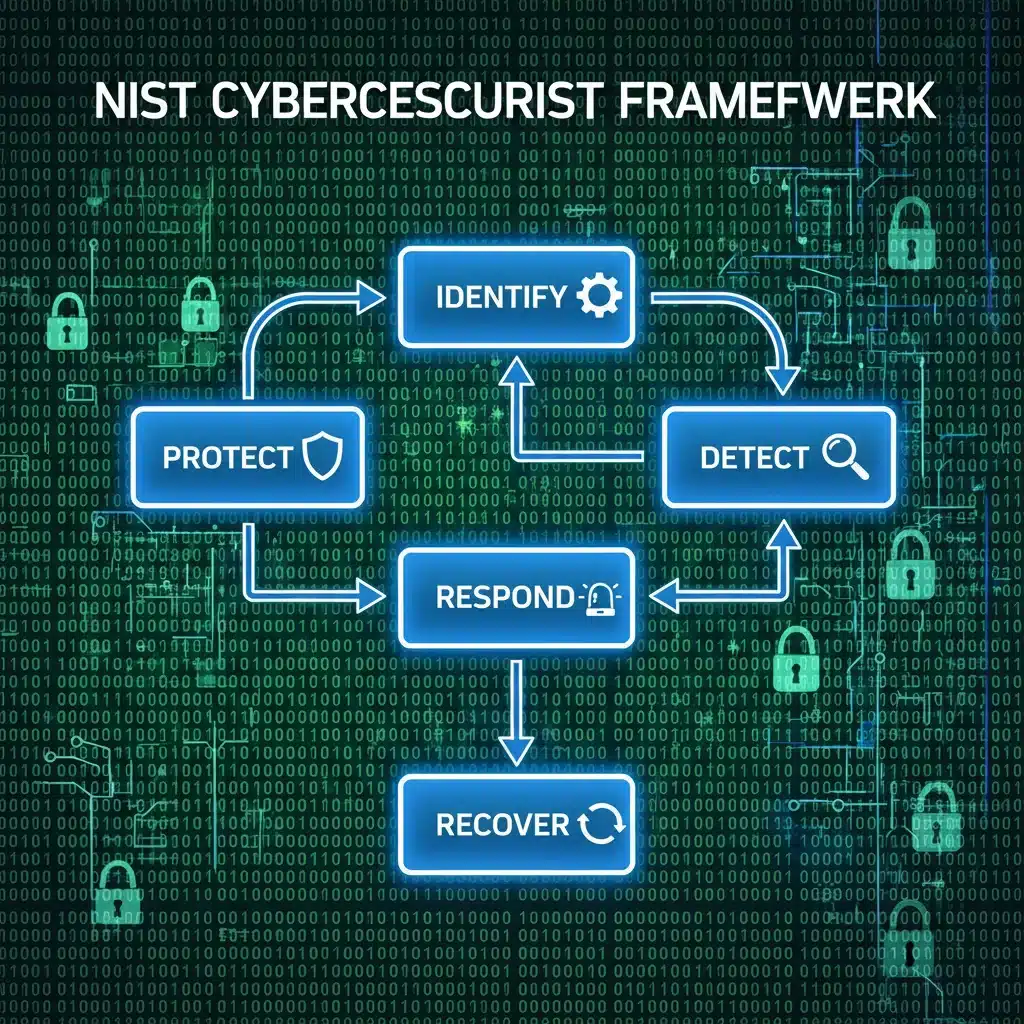
The NIST Cybersecurity Framework (CSF) is a voluntary guidance, based on existing standards, guidelines, and practices, for organizations to manage and reduce cybersecurity risk. While initially designed for critical infrastructure, its flexible and scalable nature makes it exceptionally well-suited for small businesses. The framework is structured around five core functions, which provide a high-level, strategic view of an organization’s management of cybersecurity risk.
The Five Core Functions of the NIST CSF:
- Identify: Develop an organizational understanding to manage cybersecurity risk to systems, assets, data, and capabilities.
- Protect: Develop and implement appropriate safeguards to ensure delivery of critical services.
- Detect: Develop and implement appropriate activities to identify the occurrence of a cybersecurity event.
- Respond: Develop and implement appropriate activities to take action regarding a detected cybersecurity incident.
- Recover: Develop and implement appropriate activities to maintain plans for resilience and to restore any capabilities or services that were impaired due to a cybersecurity incident.
These functions work together to create a comprehensive cybersecurity program. For small businesses, the key is to approach these functions pragmatically, focusing on implementing foundational controls that yield the greatest impact with available resources. The 2026 guidelines will likely emphasize even greater adaptability and clearer pathways for smaller entities.
Phase 1: Identify – Knowing Your Assets and Risks
The first step in effective cybersecurity, and a cornerstone of NIST Small Business Cybersecurity, is to understand what you need to protect and what risks it faces. Without this foundational knowledge, any security measures you implement will be akin to shooting in the dark.
Key Actions for Small Businesses:
- Inventory All Assets: Create a comprehensive list of all hardware (laptops, servers, mobile devices), software (operating systems, applications), data (customer info, financial records, intellectual property), and network resources. Don’t forget cloud services and third-party vendors.
- Identify Critical Data: Determine which data is most sensitive and critical to your business operations. This could be customer credit card numbers, health records, trade secrets, or even your employee payroll information. Prioritize protection efforts based on this criticality.
- Understand Business Processes: Map out how data flows through your business. Who accesses what? When? From where? This helps identify potential vulnerabilities in workflows.
- Conduct a Basic Risk Assessment: Even a simple assessment can highlight where your biggest risks lie. Consider potential threats (e.g., phishing, malware, insider threats), existing vulnerabilities (e.g., outdated software, weak passwords), and the potential impact of a breach.
- Establish a Governance Structure: Even if it’s just the owner designating a trusted employee to oversee cybersecurity, having clear roles and responsibilities is crucial.
By thoroughly identifying your assets and understanding your risk profile, you lay the groundwork for a targeted and efficient cybersecurity strategy. This initial phase is often overlooked but is arguably the most important for small businesses to get right, setting the stage for effective implementation of NIST Small Business Cybersecurity practices.
Phase 2: Protect – Implementing Safeguards
Once you know what to protect, the next step is to put safeguards in place to prevent cyberattacks. This phase involves a combination of technical controls, policies, and employee training.
Essential Protection Measures:
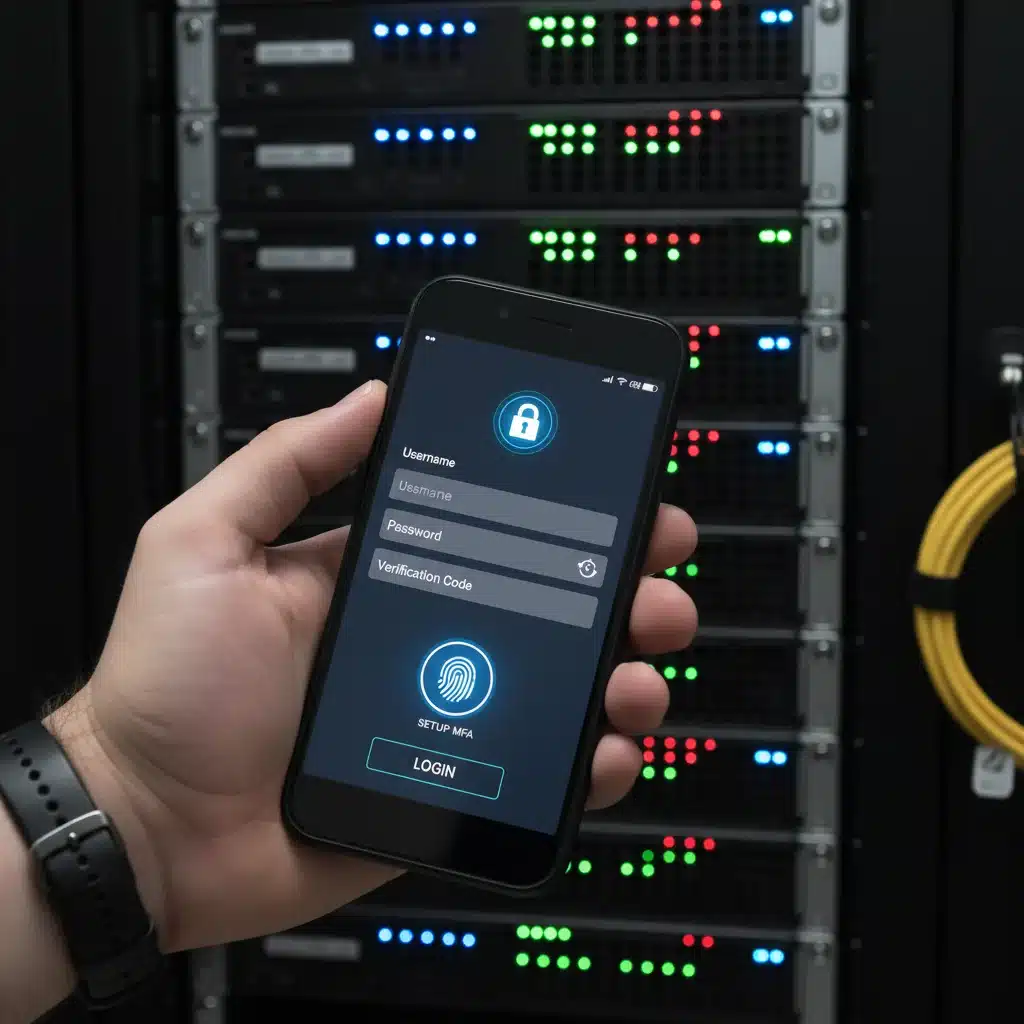
- Access Control: Implement strong password policies (complex, unique, regularly changed) and multi-factor authentication (MFA) for all accounts, especially for critical systems and cloud services. Restrict access to sensitive data on a ‘need-to-know’ basis.
- Data Security: Encrypt sensitive data both in transit (e.g., using HTTPS for websites, VPNs for remote access) and at rest (e.g., on hard drives, cloud storage). Regularly back up all critical data to an offsite location or cloud service, and test these backups to ensure they can be restored.
- Security Awareness Training: Your employees are your first line of defense. Conduct regular, mandatory training on identifying phishing emails, safe browsing habits, password hygiene, and reporting suspicious activities. Phishing simulations can be highly effective.
- Maintenance and Updates: Keep all software, operating systems, and applications up to date with the latest security patches. Outdated software is a common entry point for attackers.
- Protective Technology: Deploy firewalls, antivirus/anti-malware software on all endpoints, and intrusion detection/prevention systems if feasible. Consider email filtering solutions to block malicious emails.
- Secure Configuration: Configure all devices and software securely by disabling unnecessary services and ports, and changing default passwords.
The ‘Protect’ function is where many small businesses will invest the bulk of their initial cybersecurity efforts. Focusing on these practical steps ensures a solid defense against the most common threats, aligning perfectly with the proactive stance of NIST Small Business Cybersecurity.
Phase 3: Detect – Identifying Cybersecurity Events
Even with robust protection, no system is 100% impenetrable. The ability to detect a cybersecurity event quickly is paramount to minimizing damage. Early detection can mean the difference between a minor incident and a full-blown crisis.
Strategies for Detection:
- Continuous Monitoring: Implement monitoring tools for your network and systems to detect unusual activity, unauthorized access attempts, or malware infections. While enterprise-grade Security Information and Event Management (SIEM) systems might be out of reach, simpler log monitoring tools or managed security services can be valuable.
- Anomaly Detection: Train employees to recognize and report suspicious activity, such as unusual emails, slow system performance, or unexpected pop-ups.
- Intrusion Detection Systems (IDS): For more advanced small businesses, an IDS can monitor network traffic for malicious activity or policy violations.
- Regular Audits and Reviews: Periodically review system logs, access privileges, and security configurations to ensure they remain appropriate and haven’t been tampered with.
Detection isn’t just about technology; it’s also about fostering a culture of vigilance. Encouraging employees to be proactive in identifying and reporting potential threats significantly enhances a small business’s overall detection capabilities, reinforcing the collaborative spirit of NIST Small Business Cybersecurity.
Phase 4: Respond – Taking Action During an Incident
When a cybersecurity incident occurs, a swift and organized response is crucial. A well-defined incident response plan minimizes the impact, contains the breach, and facilitates a quicker recovery.
Developing an Incident Response Plan:
- Preparation: Develop a clear, written incident response plan. This plan should outline roles and responsibilities, communication protocols, and steps to take during various types of incidents (e.g., ransomware, data breach, phishing attack).
- Containment: Define steps to isolate affected systems or networks to prevent further spread of the attack. This might involve disconnecting devices, shutting down servers, or isolating network segments.
- Eradication: Identify and eliminate the root cause of the incident. This could involve removing malware, patching vulnerabilities, or resetting compromised credentials.
- Recovery: Restore affected systems and data from secure backups. Verify system integrity and functionality before bringing them back online.
- Communication: Establish clear communication channels for internal stakeholders, employees, customers (if data was compromised), law enforcement, and regulatory bodies. Understand your legal obligations for breach notification.
- Post-Incident Review: After an incident, conduct a thorough review to understand what happened, why it happened, and what can be done to prevent similar incidents in the future. Update your plans and controls accordingly.
An incident response plan doesn’t have to be overly complex for a small business, but it must be practiced and understood by key personnel. This readiness is a key differentiator in effective NIST Small Business Cybersecurity.
Phase 5: Recover – Restoring Capabilities and Services
The final function of the NIST CSF focuses on resilience and the restoration of normal operations after a cyberattack. A robust recovery plan ensures business continuity and minimizes long-term disruption.
Steps for Effective Recovery:
- Backup and Restoration: Ensure your data backup and recovery processes are robust and regularly tested. This is your ultimate safety net.
- Business Continuity Planning: Develop a plan for how your business will continue to operate during and after a significant cyber incident. This might involve alternative workarounds, temporary systems, or manual processes.
- Lessons Learned: Integrate insights from incident responses into your overall cybersecurity strategy. Update policies, procedures, and training programs based on what was learned.
- Public Relations and Reputation Management: If an incident impacted customers or public trust, have a plan to communicate transparently and rebuild your reputation.
- Regulatory Compliance: Ensure all recovery actions comply with relevant data protection regulations and reporting requirements.
The ‘Recover’ function emphasizes that cybersecurity isn’t just about preventing attacks, but also about building resilience to withstand them. For small businesses, this means having a clear path back to normal operations, a fundamental aspect of comprehensive NIST Small Business Cybersecurity.
New NIST Guidelines in 2026: What to Expect and How to Prepare
While specific details of NIST guidelines for 2026 are still emerging, we can anticipate several key themes based on current trends and the evolution of cyber threats:
- Increased Emphasis on Supply Chain Risk Management: Small businesses are often part of larger supply chains. Expect greater guidance on assessing and mitigating risks posed by third-party vendors and partners.
- Focus on Cyber-Physical Systems (CPS) and Operational Technology (OT): For small businesses involved in manufacturing, utilities, or smart building management, there will likely be enhanced guidance on securing physical systems connected to IT networks.
- AI and Machine Learning in Cybersecurity: Expect recommendations on leveraging AI for threat detection and response, as well as guidance on securing AI systems themselves.
- User-Friendly Implementation: NIST is continually striving to make its framework more accessible. Future iterations will likely include even more tailored resources and simplified language specifically for small and medium-sized businesses.
- Zero Trust Architecture Principles: The concept of ‘never trust, always verify’ will likely be integrated more deeply, encouraging businesses to verify every access attempt regardless of origin.
Preparing for 2026:
- Stay Informed: Regularly check the NIST website for updates and new publications.
- Engage with Resources: Utilize NIST’s Small Business Cybersecurity Corner, which offers tailored guidance and tools.
- Start Now: Don’t wait for 2026. Implement the current CSF principles as they form the foundation for future guidelines.
- Seek Expert Advice: Consider consulting with cybersecurity professionals who specialize in small business needs and NIST compliance.
By proactively engaging with these anticipated changes, US small businesses can ensure they are not just compliant, but truly resilient, solidifying their NIST Small Business Cybersecurity posture.
Practical Steps for Small Businesses to Achieve 25% Boost by 2026
Achieving a 25% boost in cybersecurity preparedness by 2026 is an ambitious yet attainable goal for US small businesses. Here’s a roadmap blending the NIST framework with practical, resource-conscious strategies:
Year 1 (Focus on Identify & Protect Fundamentals):
- Month 1-3: Asset Inventory & Risk Assessment (Identify): Conduct a thorough inventory of all IT assets and data. Identify critical data and systems. Perform a basic risk assessment to pinpoint top 3-5 vulnerabilities.
- Month 4-6: Access Control & Training (Protect): Implement mandatory MFA for all accounts. Enforce strong password policies. Conduct initial cybersecurity awareness training for all employees, focusing on phishing and safe browsing.
- Month 7-9: Data Backup & Encryption (Protect): Establish a reliable, offsite, and tested data backup solution for all critical data. Begin encrypting sensitive data at rest and in transit.
- Month 10-12: Software Updates & Endpoint Protection (Protect): Implement a system for timely software and operating system updates. Install and maintain antivirus/anti-malware on all devices.
Year 2 (Focus on Detect, Respond & Refine Protection):
- Month 13-15: Network Monitoring & Log Review (Detect): Implement basic network monitoring (e.g., firewall logs, ISP reports). Assign someone to regularly review system logs for anomalies.
- Month 16-18: Incident Response Plan Development (Respond): Draft a simple incident response plan, outlining key steps for common incidents like ransomware or data loss. Define roles and communication protocols.
- Month 19-21: Advanced Protection & Third-Party Assessment (Protect/Identify): Evaluate cloud security configurations. Conduct basic due diligence on third-party vendors. Consider a basic vulnerability scan if budget allows.
- Month 22-24: Plan Testing & Employee Drills (Respond/Protect): Conduct a tabletop exercise for the incident response plan. Run a phishing simulation exercise for employees.
Year 3 (Focus on Recover, Continuous Improvement & 2026 Readiness):
- Month 25-27: Recovery Plan & Business Continuity (Recover): Formalize the recovery plan, including data restoration procedures. Develop a basic business continuity strategy for critical operations.
- Month 28-30: Policy & Governance Review (Identify/Protect): Review and update cybersecurity policies. Re-evaluate roles and responsibilities.
- Month 31-33: Emerging Threat Assessment & NIST 2026 Alignment (Identify): Research anticipated 2026 NIST guidelines. Assess how current practices align and identify gaps.
- Month 34-36: Comprehensive Review & Target Achievement: Conduct a full review of all cybersecurity measures. Document improvements and measure against initial baseline. Aim for the 25% boost in preparedness. Seek external assessment if possible.
This phased approach allows small businesses to build their cybersecurity resilience incrementally, making the journey manageable and cost-effective. Each step strengthens their NIST Small Business Cybersecurity foundation.
Benefits Beyond Compliance: Why Strong Cybersecurity Matters
Implementing strong cybersecurity practices, guided by NIST Small Business Cybersecurity principles, offers far more than just compliance. It provides a competitive advantage and fosters sustainable growth:
- Enhanced Customer Trust: Customers are increasingly concerned about data privacy. Demonstrating a commitment to cybersecurity builds trust and loyalty.
- Reduced Financial Risk: Avoiding breaches means avoiding costly downtime, recovery expenses, legal fees, and potential fines.
- Improved Reputation: A strong security posture protects your brand image and market standing.
- Business Continuity: Robust recovery plans ensure your business can quickly resume operations after an incident, minimizing disruptions.
- Competitive Edge: In an era where cyber threats are rampant, businesses with superior security can differentiate themselves and attract more clients, especially those in regulated industries.
- Attracting and Retaining Talent: Employees want to work for secure organizations. A strong cybersecurity culture contributes to a positive work environment.
By investing in cybersecurity, small businesses are not just protecting themselves; they are investing in their future, their customers, and their long-term success.
Conclusion: Securing the Future of US Small Businesses
The digital landscape of 2026 will present new challenges and opportunities for US small businesses. By proactively embracing and implementing the evolving NIST Small Business Cybersecurity guidelines, these enterprises can not only defend against sophisticated cyber threats but also thrive in an increasingly digital economy. The goal of boosting preparedness by 25% is not merely aspirational; it is a critical step towards building resilient, trustworthy, and sustainable businesses.
Remember, cybersecurity is not a one-time project but an ongoing process of continuous improvement. Start today by identifying your assets, protecting your critical data, and fostering a culture of security awareness among your employees. Leverage the structured approach of the NIST framework to guide your efforts, and don’t hesitate to seek out resources and expertise tailored for small businesses. Your commitment to cybersecurity now will pay dividends in safeguarding your business’s future and contributing to a more secure digital ecosystem for everyone.