Social Media Evolution: 3 Platform Shifts US Marketers Need to Master for 2026 Growth

Anúncios
Social Media Evolution: 3 Platform Shifts US Marketers Need to Master for 2026 Growth
The digital marketing world is a relentless current, constantly shifting and reshaping the landscape for businesses vying for consumer attention. For US marketers, staying afloat isn’t enough; true success lies in anticipating the tides and navigating the social media shifts that will define the next era of engagement. As we hurtle towards 2026, the platforms that once seemed immutable are undergoing profound transformations, driven by technological advancements, evolving user behaviors, and a renewed focus on authenticity and value. Ignoring these shifts is not an option; embracing them is the key to unlocking unprecedented growth and securing a competitive edge.
This comprehensive guide will delve into three critical social media platform shifts that US marketers must not only understand but proactively master. From the rise of immersive experiences to the decentralization of content and the redefinition of influencer marketing, we will unpack the nuances of each trend, provide actionable strategies, and offer insights into how your brand can thrive in this dynamic environment. Prepare to redefine your social media strategy and position your brand for enduring success in the years to come.
Anúncios
The Ascent of Immersive & Experiential Social Platforms
Gone are the days when social media was solely about static posts and fleeting stories. The future of social engagement is deeply rooted in immersive and experiential platforms, where users don’t just consume content but actively participate in it. This shift is profound, moving beyond passive scrolling to active interaction, fostering deeper connections, and creating memorable brand experiences. For US marketers, this presents both a challenge and an immense opportunity to revolutionize their engagement strategies. Understanding these social media shifts is paramount.
The Metaverse and Augmented Reality: Beyond the Screen
The concept of the metaverse, once a sci-fi fantasy, is rapidly becoming a tangible reality. While a fully realized, interconnected metaverse is still some years away, its foundational elements – augmented reality (AR) and virtual reality (VR) – are already transforming social interactions. Platforms like Meta’s Horizon Worlds, Roblox, and Fortnite are not just gaming platforms; they are burgeoning social spaces where users can connect, create, and experience together in 3D environments. Brands are already experimenting with virtual storefronts, immersive product launches, and interactive experiences within these spaces. Imagine a customer trying on your latest fashion collection in a virtual dressing room, or attending a live concert hosted by your brand in a metaverse concert hall.
AR, in particular, offers immediate and accessible immersive experiences without the need for specialized VR headsets. Instagram and Snapchat filters, for instance, have long utilized AR to enhance user content. However, the next wave of AR integration will be far more sophisticated, allowing users to interact with digital objects in their physical environment. Think about using an AR app to visualize furniture in your living room before purchasing, or engaging with an interactive advertisement that overlays digital elements onto your real-world surroundings. Marketers must start exploring how their products and services can be brought to life through AR, creating engaging and utility-driven experiences that resonate with a digitally native audience.
Anúncios
Live Shopping and Interactive Content: Real-Time Engagement
Another significant aspect of immersive social media is the explosion of live shopping and interactive content. Platforms like TikTok, Instagram, and even YouTube are heavily investing in live commerce features, allowing brands to sell products directly during live streams. This isn’t just about showcasing products; it’s about creating an engaging, real-time shopping experience where consumers can ask questions, see products in action, and make impulse purchases driven by urgency and community. The hosts often act as trusted advisors, demonstrating products and answering queries, fostering a sense of authenticity that traditional e-commerce often lacks.
Beyond live shopping, interactive content – polls, quizzes, Q&As, and choose-your-own-adventure narratives – are proving to be powerful tools for engagement. These formats encourage active participation, keeping users on the platform longer and providing valuable first-party data on preferences and interests. For US marketers, the challenge is to move beyond simply broadcasting messages to creating interactive narratives that invite co-creation and dialogue. This requires a shift in content strategy, focusing on storytelling that has multiple entry points and encourages user input. The future of social media marketing is less about what you say and more about what you allow your audience to do.
Actionable Strategies for Immersive Platforms:
- Experiment with AR Filters and Lenses: Develop branded AR experiences that are fun, useful, or both. Think about virtual try-ons, interactive games, or filters that enhance user content related to your brand.
- Explore Metaverse Partnerships: Investigate opportunities to establish a presence in existing metaverse platforms like Roblox or Decentraland. This could involve virtual product placements, branded events, or even creating unique digital assets (NFTs) that users can acquire.
- Leverage Live Shopping: Plan and execute regular live shopping events on platforms where your target audience is active. Focus on engaging hosts, exclusive offers, and real-time interaction.
- Integrate Interactive Content: Incorporate polls, quizzes, and Q&A sessions into your regular content calendar to boost engagement and gather audience insights.
- User-Generated Immersive Content: Encourage users to create and share their own immersive content featuring your brand, amplifying reach and authenticity.
The Rise of Decentralized Social and the Creator Economy
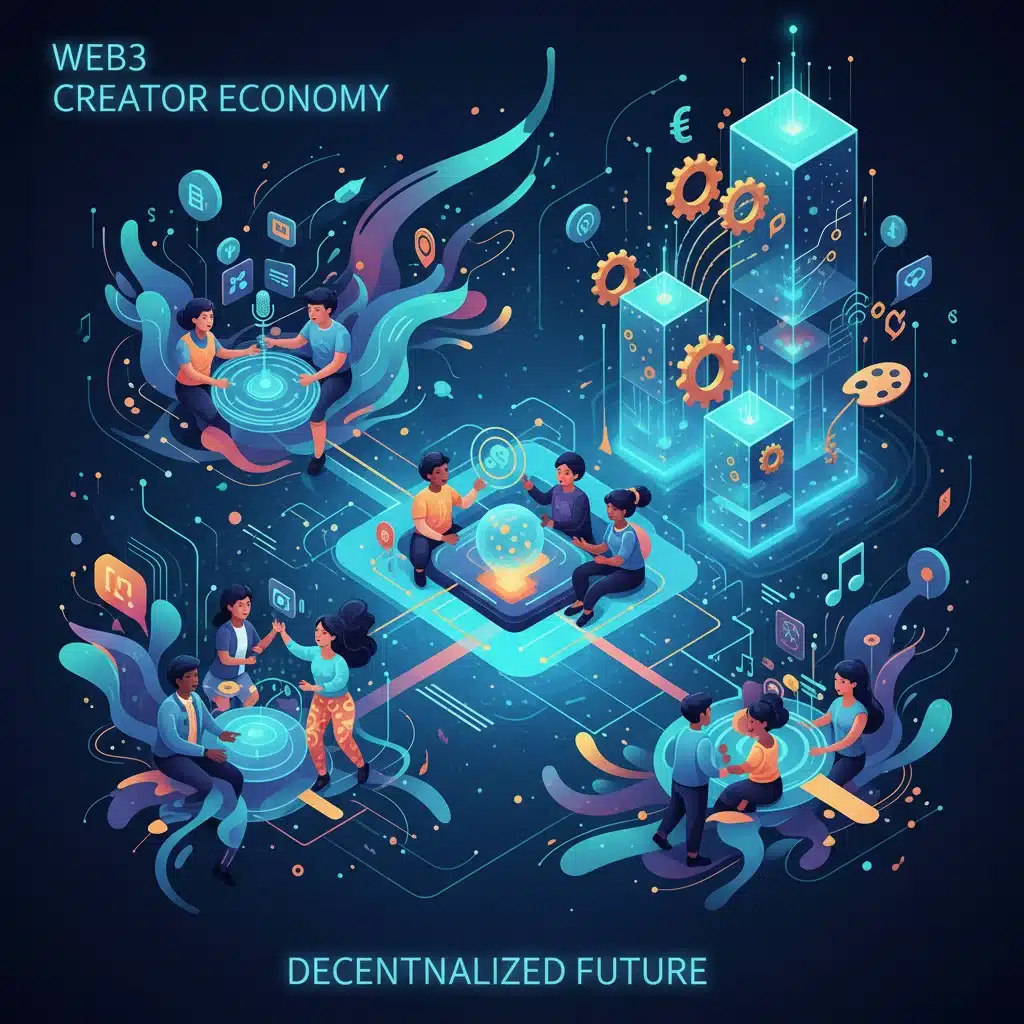
The second major shift reshaping the social media landscape is the move towards decentralization and the burgeoning creator economy. For years, major social platforms have operated as centralized entities, controlling data, monetization, and content distribution. However, a growing sentiment among users and creators alike advocates for greater autonomy, transparency, and fairer compensation. This has given rise to new platforms built on Web3 principles and a renewed focus on empowering individual creators. These social media shifts are fundamentally altering how value is created and exchanged online.
Web3 and Blockchain-Powered Social Networks: Ownership and Transparency
Web3 represents the next iteration of the internet, characterized by decentralization, blockchain technology, and user ownership of data and digital assets. While still in its nascent stages, Web3 social networks are emerging as a compelling alternative to traditional platforms. These networks aim to give users more control over their data, enable direct monetization without hefty platform fees, and foster communities built on transparency and shared ownership. Examples include platforms like DeSo (Decentralized Social) and Lens Protocol, which allow users to own their social graphs and content.
For marketers, this shift implies a move away from relying solely on platform algorithms to dictate reach. Instead, engagement will be driven by genuine community building, value provision, and the creation of unique, verifiable digital assets (NFTs) that can serve as loyalty programs, access passes, or collectible brand merchandise. Brands might explore issuing NFTs to their most loyal customers, granting them exclusive access to content, events, or discounts. The transparency of blockchain also offers new avenues for verifying authenticity and combating misinformation, which can be a significant benefit for brands focused on trust and integrity.
The Empowered Creator Economy: Direct-to-Consumer Relationships
The creator economy, fueled by platforms like Patreon, Substack, and even specialized NFT marketplaces, is empowering individuals to build direct relationships with their audiences and monetize their content without intermediaries. This shift has profound implications for influencer marketing. No longer are brands solely reliant on mega-influencers with millions of followers; micro- and nano-influencers with highly engaged, niche communities are proving to be incredibly effective. Their authenticity and direct connection with their audience often translate into higher conversion rates and stronger brand affinity.

Furthermore, brands themselves can act as creators, building their own communities and offering exclusive content or products directly to their most passionate fans. This bypasses the need for traditional advertising channels and fosters a deeper, more personal connection. Subscriptions, exclusive content, and community-driven initiatives are becoming powerful tools for brands to cultivate loyalty and generate recurring revenue. The emphasis here is on building a loyal audience that values the content and experiences a brand provides, rather than simply chasing ephemeral trends.
Actionable Strategies for Decentralized & Creator Economy Platforms:
- Explore Web3 Opportunities: Begin researching and understanding Web3 social platforms and their underlying technologies. Consider experimental campaigns involving NFTs for loyalty or exclusive content.
- Invest in Niche Influencers: Shift focus from follower count to engagement rates and audience alignment when selecting influencers. Collaborate with micro and nano-influencers who have authentic connections with your target demographic.
- Build Your Own Creator Hub: Consider creating exclusive content or community spaces for your most loyal customers, offering subscriptions or memberships that provide unique value.
- Embrace Transparency: Utilize the principles of Web3 to enhance brand transparency and build trust with your audience. This could involve verifiable supply chains or transparent data usage policies.
- Community-Led Marketing: Foster genuine communities around your brand where users feel empowered to contribute and co-create. This can lead to organic advocacy and stronger brand loyalty.
The Evolution of Privacy, Data Ethics, and Regulation
The third, and perhaps most foundational, shift impacting social media is the growing emphasis on privacy, data ethics, and regulatory oversight. Consumers are increasingly aware of their digital footprints and the ways in which their data is collected and used. This heightened awareness, coupled with evolving global and national regulations, is forcing social media platforms and marketers to fundamentally rethink their data strategies. These social media shifts are not just about compliance; they are about rebuilding trust and ensuring sustainable, ethical marketing practices.
Data Privacy Regulations: A Global Imperative
Regulations like GDPR in Europe and CCPA/CPRA in California have set a precedent for stricter data privacy laws, and this trend is only accelerating. More states in the US are enacting their own privacy legislation, creating a complex patchwork of compliance requirements for marketers. The core of these regulations revolves around user consent, data access, the right to be forgotten, and transparent data collection practices. For social media platforms, this means re-evaluating their data collection methods and offering users more granular control over their privacy settings.
For US marketers, this translates into a critical need for a “privacy-first” approach. Relying on third-party data and broad targeting methods is becoming increasingly difficult and risky. Instead, marketers must prioritize first-party data collection – data gathered directly from customer interactions with their brand – through ethical and transparent means. This includes clear consent mechanisms, robust data security, and a commitment to using data responsibly to enhance the customer experience, not just to track and target. Brands that demonstrate a genuine commitment to privacy will build stronger trust and loyalty with their audience.
The Demise of Third-Party Cookies and the Rise of First-Party Data
The impending deprecation of third-party cookies by major browsers like Chrome signifies a seismic shift in digital advertising. For decades, third-party cookies have been the backbone of cross-site tracking and personalized advertising. Their removal will fundamentally alter how marketers identify, segment, and target audiences across the web. This is one of the most significant social media shifts in recent memory, impacting every aspect of digital marketing.
In response, the emphasis is squarely on first-party data. Marketers must invest in building robust first-party data strategies, including customer relationship management (CRM) systems, email marketing lists, loyalty programs, and direct interactions on their owned platforms. Social media platforms themselves are also evolving to provide more privacy-centric advertising solutions, often leveraging their own aggregated, anonymized first-party data. This means marketers need to deepen their understanding of platform-specific targeting tools and focus on building direct relationships with their audience on social channels, encouraging them to opt-in for communications and share their preferences directly.
Ethical AI and Algorithmic Transparency
As AI becomes more integrated into social media algorithms – influencing content recommendations, ad delivery, and even content moderation – the ethical implications and need for transparency are becoming paramount. Concerns about algorithmic bias, filter bubbles, and the spread of misinformation are driving calls for greater accountability from platforms. This impacts marketers by requiring a more thoughtful approach to how their content is created and distributed, ensuring it aligns with ethical AI principles and contributes positively to the digital ecosystem.
Brands need to be aware of how platform algorithms operate and how their content might be perceived through an AI lens. This includes avoiding manipulative tactics, ensuring factual accuracy, and prioritizing content that fosters positive engagement. Furthermore, as platforms become more transparent about their algorithms, marketers can leverage this understanding to optimize their content for ethical reach and impact, rather than simply trying to game the system. The future of social media marketing demands not just effectiveness, but also responsibility.
Actionable Strategies for Privacy and Data Ethics:
- Prioritize First-Party Data: Develop comprehensive strategies for collecting and utilizing first-party data ethically. This includes enhancing CRM systems, building robust email lists, and creating engaging loyalty programs.
- Ensure Consent and Transparency: Implement clear and easily understandable consent mechanisms for data collection. Be transparent with your audience about how their data is used and provide options for them to manage their preferences.
- Stay Updated on Regulations: Continuously monitor and adapt to evolving data privacy regulations at both federal and state levels in the US. Consider consulting legal experts to ensure full compliance.
- Audit Data Practices: Regularly audit your data collection, storage, and usage practices to identify and mitigate privacy risks.
- Focus on Contextual Targeting: Explore contextual advertising solutions that don’t rely on third-party cookies, matching your ads to relevant content rather than individual user profiles.
- Ethical Content Creation: Ensure your content creation and distribution strategies align with ethical AI principles, avoiding bias and promoting positive, factual information.
Integrating the Shifts: A Holistic Approach for 2026 Growth
Mastering these three social media shifts – immersive experiences, decentralized social/creator economy, and privacy/data ethics – is not about tackling them in isolation. True success for US marketers in 2026 and beyond will come from a holistic, integrated approach that weaves these trends into the very fabric of their digital strategy. Each shift influences and amplifies the others, creating a complex but ultimately rewarding ecosystem for brands that are prepared to adapt.
Synergy Between Immersive Experiences and the Creator Economy
Imagine a creator hosting a live shopping event in a virtual metaverse environment, showcasing a product that viewers can virtually try on using AR. The transaction is seamless, perhaps even facilitated by cryptocurrency, and the creator earns a direct share, fostering a stronger sense of ownership and incentive. This is the synergy that will define future social commerce. Brands can leverage creators to build immersive experiences, turning product demonstrations into interactive spectacles and fostering community around shared virtual spaces. The authenticity of creators combined with the engagement of immersive tech creates a powerful marketing alchemy.
Privacy as a Catalyst for Authentic Engagement
The emphasis on privacy and first-party data, rather than being a hindrance, can be a catalyst for more authentic and meaningful engagement. When users trust a brand with their data, they are more likely to opt-in for personalized experiences, engage with exclusive content, and become loyal advocates. This trust is built through transparent practices and a clear value exchange. Brands that respect user privacy will find it easier to build the first-party data assets needed for effective, consent-driven targeting within immersive and decentralized environments. This is a crucial aspect of navigating the evolving social media shifts.
The Future of Brand Building: Community, Value, and Trust
Ultimately, the overarching theme across all these social media shifts is a return to fundamental principles of brand building: fostering genuine community, delivering tangible value, and cultivating unwavering trust. The platforms may change, the technologies may evolve, but the human desire for connection and authenticity remains constant. Brands that prioritize these elements, while strategically leveraging the technological advancements of immersive experiences, decentralized networks, and privacy-first data practices, will be the ones that not only survive but thrive in the competitive landscape of 2026.
Conclusion: Charting Your Course for Social Media Success
The social media landscape is not just changing; it’s undergoing a fundamental metamorphosis. For US marketers, the next few years will be defined by their ability to navigate the ascent of immersive and experiential platforms, embrace the decentralization of social and the creator economy, and champion privacy and data ethics. These three social media shifts are not trends to passively observe; they are imperatives to actively master.
By investing in AR/VR experiences, empowering creators, building robust first-party data strategies, and prioritizing ethical practices, brands can transform challenges into unparalleled opportunities. The journey to 2026 growth demands foresight, agility, and a willingness to innovate. Start experimenting today, foster genuine connections, and position your brand at the forefront of this exciting new era of social media. The future of digital marketing is dynamic, and with the right strategy, your brand can lead the way.