Decoding Gen Z’s Tech Habits: 5 Insider Insights for US Brands
Anúncios
Decoding Gen Z’s Tech Habits: 5 Insider Insights for US Brands
In the dynamic landscape of modern consumerism, one demographic stands out for its unparalleled digital fluency and unique consumption patterns: Generation Z. Born roughly between 1997 and 2012, this cohort represents the first true digital natives, having grown up with the internet, smartphones, and social media as integral parts of their lives. For brands operating in the US, understanding Gen Z tech habits isn’t just an advantage; it’s a necessity for survival and growth. This generation wields significant purchasing power, influences family decisions, and will soon dominate the workforce. Ignoring their preferences and digital behaviors is akin to navigating a modern city without a GPS.
This comprehensive guide will delve deep into the intricate world of Gen Z’s relationship with technology, offering five critical insider insights that US brands can leverage to forge authentic connections, build lasting loyalty, and drive measurable success. From their multi-platform presence to their demand for authenticity and privacy, we’ll unpack the nuances that define their digital existence.
Anúncios
1. The Multi-Platform Mavericks: Beyond Just One App
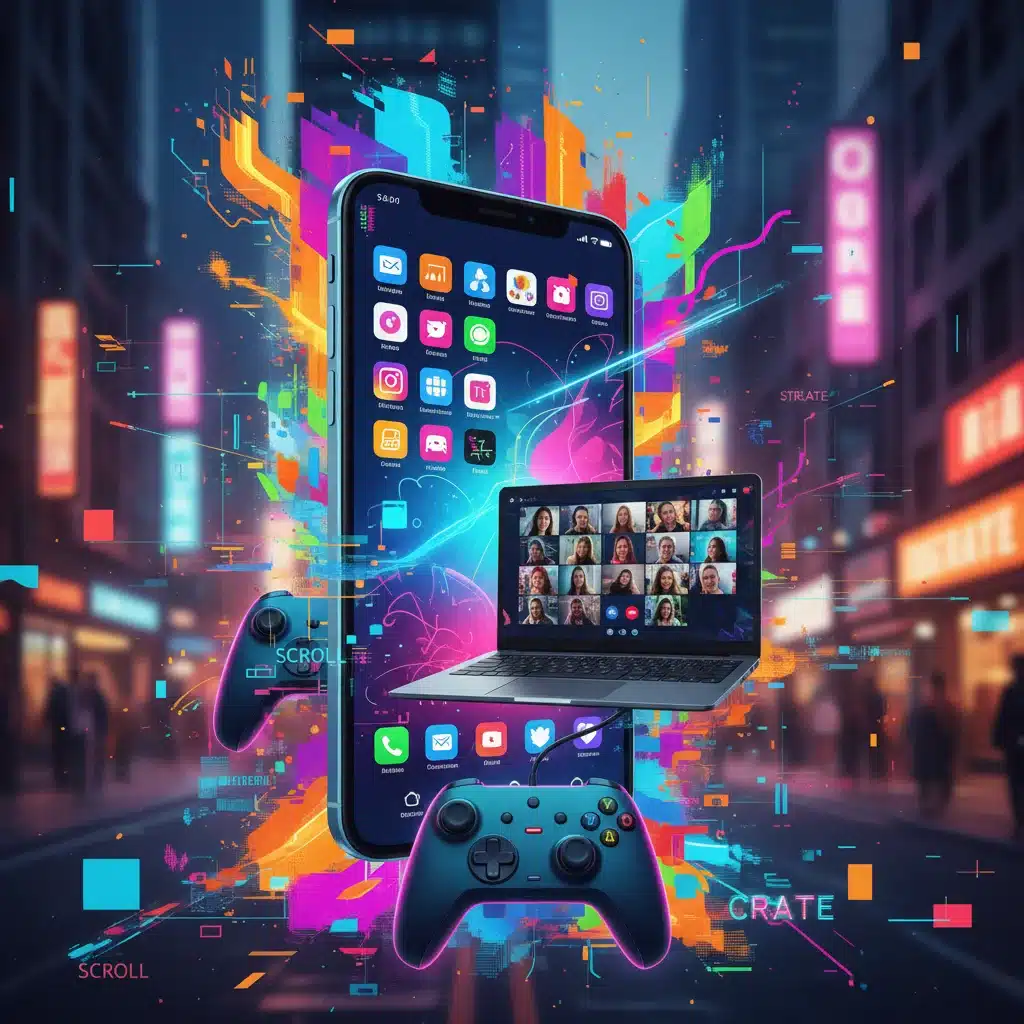
When we talk about Gen Z tech habits, it’s crucial to understand that their digital lives are not confined to a single platform or device. Unlike previous generations who might have favored one social network, Gen Z are true multi-platform mavens. They seamlessly navigate between various apps and devices, often simultaneously, creating a complex digital ecosystem that brands must understand.
Consider the typical Gen Z individual: they might be watching a YouTube tutorial on their laptop, scrolling through TikTok on their phone, and chatting with friends on Discord—all within the same hour. This isn’t just about consumption; it’s about interaction, creation, and connection. Each platform serves a different purpose in their digital journey. TikTok is for short-form, entertaining content and discovery; Instagram for visual storytelling and curated aesthetics (though its popularity is shifting); YouTube for long-form content, tutorials, and community; Snapchat for ephemeral communication; and newer platforms like BeReal for raw, unfiltered moments. Gaming platforms like Twitch and Roblox also serve as significant social hubs, extending their digital interactions beyond traditional social media.
Anúncios
What This Means for Brands:
- Diversified Content Strategy: Brands cannot afford to be single-platform focused. A coherent, diversified content strategy is essential. This means tailoring content formats, tones, and messages to suit the specific nuances of each platform where Gen Z spends their time. A polished, high-production ad for YouTube might fall flat on TikTok, where raw, user-generated-style content thrives.
- Integrated Campaigns: Think about how campaigns can span multiple platforms, creating a cohesive narrative. A teaser on TikTok might lead to a longer video on YouTube, which then directs users to an an interactive experience on a brand’s website.
- Understanding Platform Etiquette: Each platform has its own unwritten rules and cultural norms. Brands must invest time in understanding these nuances to avoid appearing out of touch or overtly promotional. Authenticity is key, and that often means speaking the platform’s language.
- Device Agnosticism: Ensure your digital experiences are optimized for both mobile and desktop. Gen Z expects seamless transitions and functionality, regardless of the device they are using.
The challenge for brands is not just to be present on multiple platforms, but to genuinely understand the role each platform plays in a Gen Z individual’s life and to craft experiences that resonate within those specific contexts. This requires ongoing research, agility, and a willingness to experiment.
2. The Authenticity Imperative: Beyond Polished Perfection
One of the most profound shifts in Gen Z tech habits compared to previous generations is their unwavering demand for authenticity. Growing up in an era saturated with highly curated, often unrealistic, content from influencers and brands, Gen Z has developed a keen eye for what’s real and what’s not. They prioritize genuine connection, transparency, and relatability over polished perfection and aspirational ideals.
This manifests in their preference for user-generated content (UGC), behind-the-scenes glimpses, and creators who are transparent about their lives, struggles, and opinions. They are wary of overly filtered images, heavily scripted advertisements, and brands that appear to be jumping on trends without genuine understanding or commitment. This is why platforms like TikTok, with its emphasis on raw, unedited content, have resonated so strongly with this demographic. Similarly, the rise of ‘de-influencing’ and the popularity of apps like BeReal underscore this desire for unvarnished reality.
What This Means for Brands:
- Embrace Rawness and Imperfection: Brands should move away from overly produced, glossy content. Instead, consider showcasing the human side of your brand – employees, behind-the-scenes processes, and genuine customer testimonials.
- Prioritize User-Generated Content: Actively encourage and feature UGC. This not only provides authentic content but also empowers your audience and builds a sense of community. Running contests, creating challenges, and simply reposting customer content can be highly effective.
- Work with Authentic Influencers: When partnering with influencers, Gen Z can spot an inauthentic partnership from a mile away. Choose micro- and nano-influencers who genuinely align with your brand values and have a strong, engaged community, rather than just large follower counts. Transparency about sponsored content is also non-negotiable.
- Be Transparent and Values-Driven: Gen Z cares deeply about social and environmental issues. Brands that are transparent about their values, production processes, and social impact will resonate more strongly. Actions speak louder than words; Gen Z expects brands to live up to their stated commitments.
- Engage in Two-Way Communication: Authenticity also means being willing to engage in genuine dialogue. Respond to comments, participate in discussions, and be open to feedback, both positive and negative.
Brands that fail to meet this authenticity imperative risk being perceived as disingenuous, leading to a loss of trust and, ultimately, market share. For Gen Z, authenticity is the currency of connection.
3. The Privacy Paradox: Demanding Control in a Digital World
It might seem paradoxical for a generation that shares so much online, but Gen Z tech habits reveal a deep-seated concern for privacy and data control. Having grown up witnessing countless data breaches, privacy scandals, and the pervasive nature of targeted advertising, they are acutely aware of the value of their personal information. While they are willing to share data for personalized experiences, they expect transparency, control, and clear benefits in return.
This concern translates into a higher adoption of privacy-focused tools, a careful consideration of app permissions, and a general skepticism towards brands that appear to be collecting data without explicit consent or clear purpose. They are more likely to use ad blockers, incognito modes, and VPNs. The rise of ‘finstas’ (fake Instagram accounts) and ‘spam accounts’ further illustrates their desire to control different facets of their online identity and share specific content with select audiences, away from the prying eyes of brands or broader social circles.

What This Means for Brands:
- Transparency is Paramount: Clearly communicate what data you collect, why you collect it, and how it will be used. Make your privacy policies easy to understand, not buried in legal jargon.
- Offer Data Control: Provide users with easy-to-access settings that allow them to manage their data preferences, opt-in/out of tracking, and delete their information. This empowers them and builds trust.
- Personalization with Permission: While Gen Z appreciates personalized experiences, this must be done with their explicit consent. Avoid intrusive tracking or using data in ways that feel ‘creepy’ or unsolicited.
- Demonstrate Value for Data Exchange: If you’re asking for personal information, ensure there’s a clear, tangible benefit for the user – whether it’s improved recommendations, exclusive content, or a more streamlined experience.
- Security Assurance: Reassure Gen Z about the security measures in place to protect their data. Data breaches can severely damage brand reputation with this demographic.
Navigating the privacy paradox requires brands to build a foundation of trust. By being transparent, offering control, and demonstrating respect for their data, brands can overcome Gen Z’s inherent skepticism and foster a more positive relationship.
4. The Experience Economy: Content as a Gateway to Interaction
For Gen Z, technology isn’t just a tool for information or communication; it’s a gateway to experiences. Their Gen Z tech habits are deeply intertwined with a desire for interactive, immersive, and engaging content that goes beyond passive consumption. They want to participate, co-create, and feel a part of something larger. This explains the phenomenal success of interactive games, virtual events, augmented reality (AR) filters, and live streaming platforms.
They don’t just watch; they comment, share, remix, and contribute. This shift from consumption to participation is a defining characteristic of their digital engagement. They expect brands to offer more than just products; they expect memorable, shareable experiences that resonate with their values and allow for personal expression. Think about the popularity of TikTok challenges, Instagram AR filters that let users ‘try on’ products, or virtual concerts within gaming platforms.
What This Means for Brands:
- Invest in Interactive Content: Explore formats like quizzes, polls, interactive videos, AR filters, and gamified experiences. These formats encourage active participation and increase engagement.
- Leverage Live Streaming: Live Q&As, product launches, behind-the-scenes tours, and interactive workshops on platforms like Instagram Live, TikTok Live, or Twitch can create a sense of immediacy and exclusivity.
- Explore Emerging Technologies: Experiment with AR and VR to create immersive brand experiences. This could range from virtual try-ons for fashion to virtual tours for travel destinations or interactive product demonstrations.
- Facilitate Co-Creation: Invite Gen Z to be part of your brand’s story. This could involve crowdsourcing ideas for new products, running design competitions, or featuring customer-created content prominently.
- Build Communities: Create spaces where Gen Z can connect with each other and with your brand. This could be through Discord servers, private Facebook groups (though less popular with Gen Z), or dedicated forums around shared interests.
Brands that successfully tap into Gen Z’s desire for experiences will not only capture their attention but also build deeper, more meaningful relationships that extend beyond a single transaction.
5. The Social Commerce Surge: From Discovery to Purchase, Seamlessly
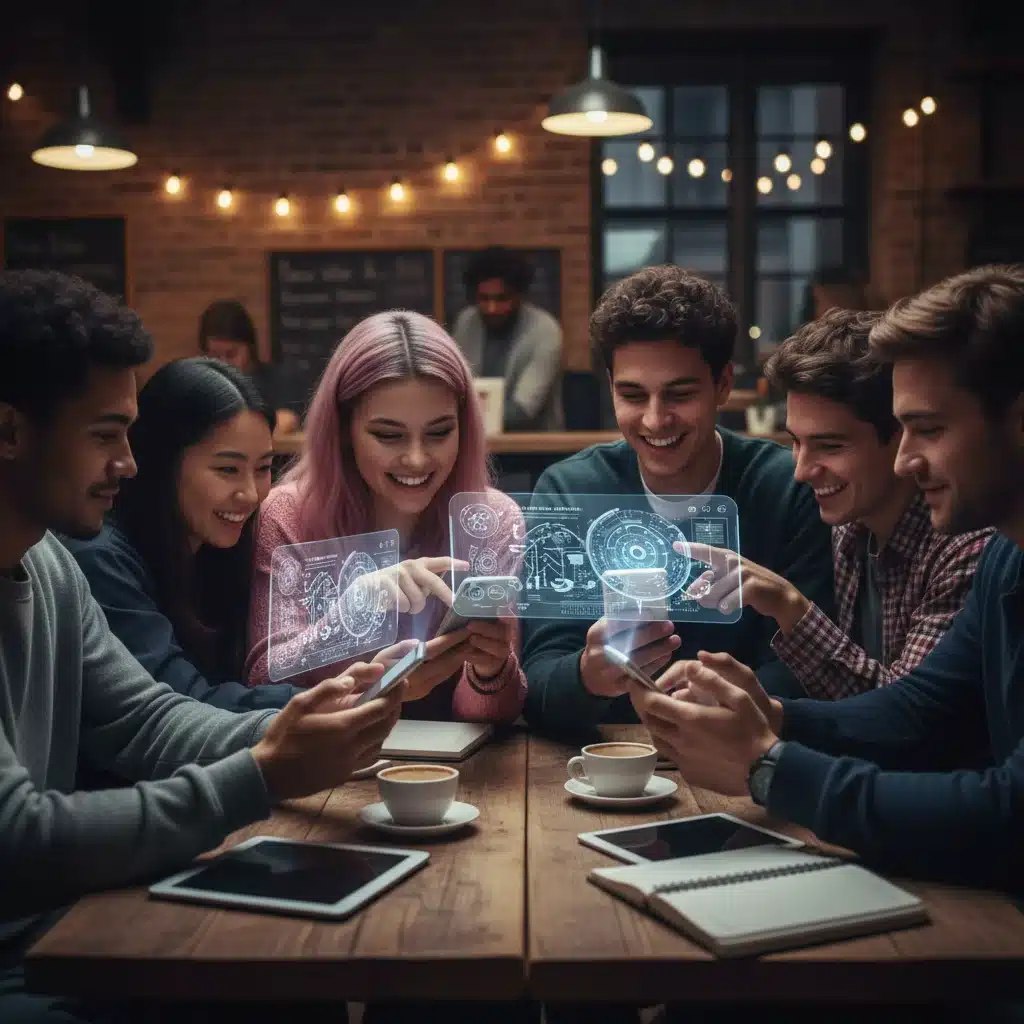
The final, and perhaps most impactful, insight into Gen Z tech habits for US brands is the undeniable rise of social commerce. For this generation, the lines between social interaction, content discovery, and purchasing are increasingly blurred. They don’t just go to social media to connect with friends; they go to discover new products, get recommendations, read reviews, and even make direct purchases without ever leaving the app.
Platforms like Instagram Shopping, TikTok Shop, and Pinterest’s shoppable pins have become powerful marketplaces. Influencers play a massive role here, with their recommendations often leading directly to sales. Gen Z trusts the opinions of their peers and trusted creators more than traditional advertising. The convenience of in-app purchasing, coupled with personalized recommendations and social proof, makes social commerce a natural fit for their digitally integrated lifestyles.
What This Means for Brands:
- Optimize for Social Shopping: Ensure your products are discoverable and purchasable directly on the social platforms where Gen Z spends their time. This means setting up storefronts, tagging products in posts, and leveraging shoppable features.
- Invest in Influencer Marketing with a Conversion Focus: Partner with influencers who can not only drive awareness but also directly influence purchases. Track conversion rates from influencer campaigns to understand their effectiveness.
- Streamline the Path to Purchase: Minimize friction points between discovery and purchase. If a Gen Z individual sees a product they like on TikTok, they expect to be able to buy it with just a few taps.
- Leverage Live Shopping: Live shopping events, where influencers or brand representatives showcase products and answer questions in real-time, can create a sense of immediacy and exclusivity.
- Integrate Reviews and Social Proof: Highlight customer reviews, ratings, and user-generated content within your social commerce experience. Gen Z relies heavily on social proof before making a purchase.
Brands that embrace social commerce will not only meet Gen Z where they are but also capitalize on their preference for seamless, integrated shopping experiences that blend entertainment, discovery, and transaction.
Conclusion: Adapting to the Gen Z Digital Frontier
Understanding Gen Z tech habits is no longer an optional extra for brands; it is a fundamental requirement for staying relevant and competitive in the US market. This generation, with its unique relationship with technology, is reshaping the digital landscape and setting new standards for how brands should interact with consumers. They are multi-platform users who demand authenticity, value their privacy, crave interactive experiences, and are comfortable making purchases directly within their social feeds.
To effectively engage Gen Z, US brands must:
- Adopt a multi-faceted digital strategy that extends across various platforms, tailoring content to each.
- Prioritize authenticity and transparency, moving away from overly polished content towards genuine, relatable messaging.
- Respect their privacy and offer control over their data, building trust through clear communication and robust security.
- Focus on creating immersive and interactive experiences that encourage participation and co-creation.
- Embrace social commerce, streamlining the path from discovery to purchase directly within social platforms.
The brands that succeed in the coming years will be those that not only understand these core Gen Z tech habits but also demonstrate a genuine willingness to adapt, experiment, and evolve alongside this powerful and influential generation. The future of consumer engagement is digital, dynamic, and defined by Gen Z.
By internalizing these five insider insights, US brands can move beyond simply observing Gen Z’s digital behaviors to actively shaping meaningful and profitable relationships with them. The time to adapt is now.